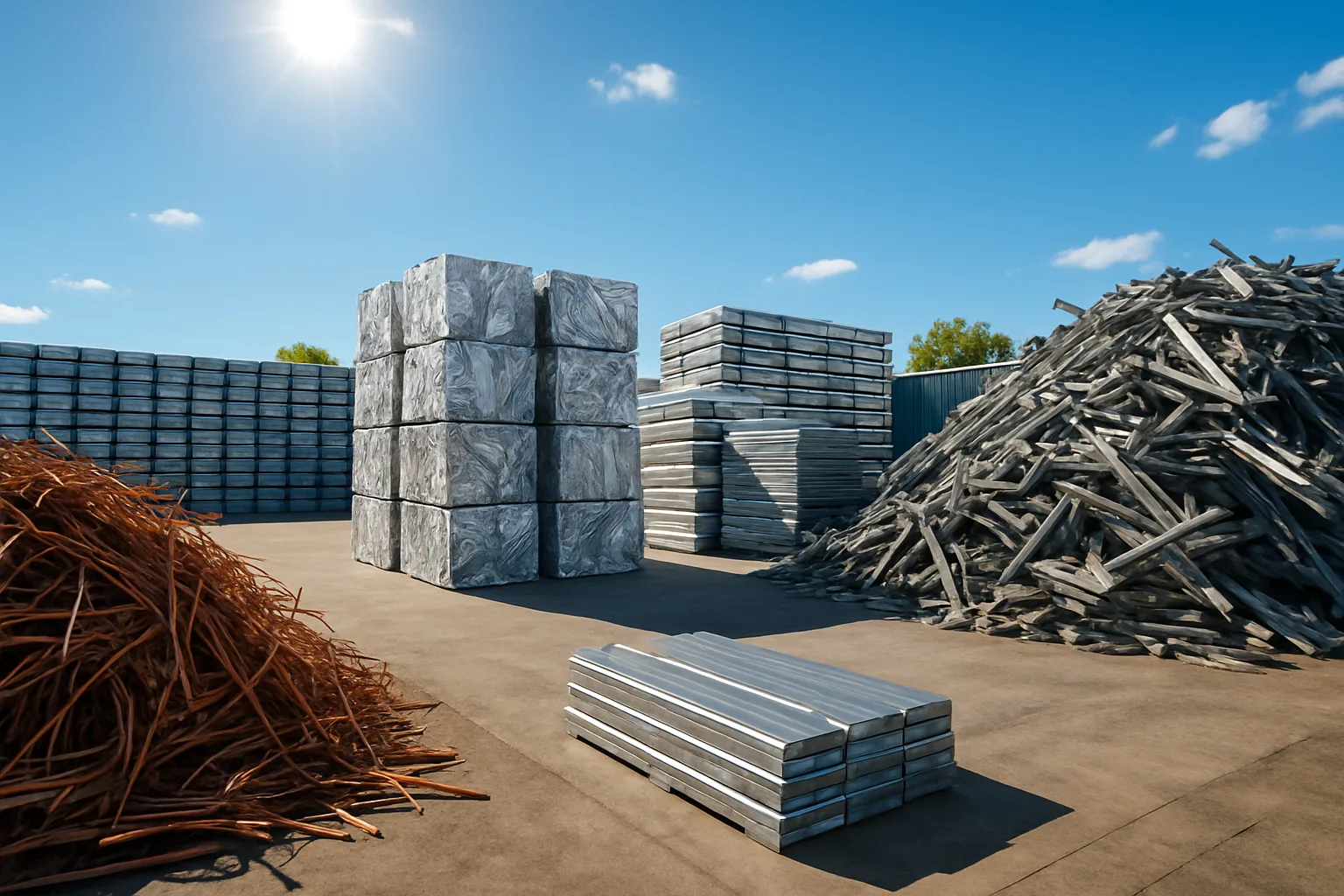
Aluminum Scrap Grades Explained: How Spokane Sellers Can Get Top Dollar This Week
Most sellers leave money on the table — not because they have bad material, but because they don't know what grade they're holding. Aluminum is one of the most valuable non-ferrous metals in the yard, but "aluminum" isn't one price. It's a dozen different prices depending on alloy, contamination, and how well you've sorted your load. If you're hauling mixed aluminum and calling it a day, you're almost certainly getting paid less than your material is worth.
This week's market recap breaks down aluminum scrap grades, what drives aluminum scrap price right now, and how sellers in Spokane can use better prep and smarter selling strategies to get closer to actual market value on every load. Whether you're running a full recycling operation or cleaning out a shop, this applies to you.
Why Aluminum Grade Matters More Than You Think for Scrap Metal Prices Today
Aluminum scrap isn't bought as one commodity. Yards and smelters price it by grade because different alloys have different melt chemistry, different recycled content value, and different downstream uses. When you mix grades — tossing cast, extrusion, sheet, and painted material into the same bin — the buyer prices the whole load at the lowest common denominator. That's not a buyer ripping you off. That's math.
Here's a quick breakdown of the grades you'll encounter most often and why they carry different values:
- Bare bright aluminum wire — Clean, uncoated, unalloyed. Top of the food chain. Minimal processing needed for buyers downstream.
- 6063 extrusion (tubing, window frames) — Clean, no paint, no inserts. Strong demand. Consistent grade.
- 6061 extrusion — Similar to 6063 but often slightly lower due to alloy variation. Still a premium material if clean.
- Cast aluminum — Engine blocks, transmission housings, wheels. Heavier alloy content. Valued separately from sheet or extrusion.
- Sheet aluminum (clean) — Flashing, gutters, siding. Price-sensitive to oil content and paint levels.
- Painted or coated aluminum — Significantly lower value. Paint and coatings burn off in the smelter — that's a cost the buyer passes back to you.
- Irony aluminum — Mixed with steel attachments. Often priced near steel. Strip it and you'll see a real jump in what you're offered.
- Auto wheels (clean) — Consistent grade, high demand, easy to spec. One of the better per-pound returns if clean.
The difference between clean 6063 extrusion and painted or irony aluminum can be significant — sometimes a meaningful gap per pound. At scale, across a full pallet or a truckload, that adds up fast. Check today's scrap metal prices to see where aluminum grades are trading right now before you load your truck.
What's Moving Aluminum Scrap Price in Mid-July 2026
The aluminum market coming into the second half of 2026 has stayed active. Domestic demand from automotive, construction, and packaging sectors continues to support non-ferrous pricing, and scrap-to-prime spreads have kept secondary aluminum attractive for smelters trying to manage energy costs. That's generally good news for sellers — smelters want clean, well-graded scrap because it's cheaper to process than primary ingot.
A few factors are worth watching as we head into late July:
- Energy costs at smelters — When power prices spike, processors tighten. Clean grades that require less furnace time hold their value better.
- Transportation and logistics — Freight costs in the Pacific Northwest remain a real factor. Buyers in Washington and across the region factor haul distance into their bids, which is another reason getting your grade right matters before the truck rolls.
- Seasonal construction activity — Summer generates extrusion and sheet scrap from window and siding jobs. Supply is up, but so is processing capacity at most yards. Net effect is relatively stable pricing on clean material.
- Steel scrap price and copper scrap price movement — When ferrous markets soften, some sellers shift focus to non-ferrous. Watch for tighter spreads if more material comes to market.
For sellers in Spokane specifically, understanding the regional buyer landscape matters. Washington has active yards and a range of buyers, but the number of competitive bids you can get on a load depends heavily on whether you're calling one buyer or running actual competition. More on that below.
Read the latest scrap metal market updates for this week's broader pricing context across copper, steel, and non-ferrous categories.
How to Prep Your Aluminum for Maximum Value — Scrap Metal Inventory Management Basics
You don't need a sophisticated operation to improve what you're getting paid. Most of the prep work is simple sorting and documentation. The yards and buyers that pay top dollar want confidence in what they're buying. Give them that confidence and the price reflects it.
Here's what actually moves the needle:
- Sort by alloy type before you call anyone. Cast stays with cast. Extrusion stays with extrusion. Sheet stays with sheet. Don't let different grades touch if you can help it.
- Remove ferrous attachments. Bolts, brackets, hinges, steel inserts — pull them out. Irony aluminum trades dramatically below clean material. Twenty minutes of sorting can change your per-pound rate.
- Document what you have. Weight estimates, photos, grade descriptions. Buyers buying remotely or through a platform need photos and accurate packing lists. Platforms that support photo documentation and serial tracking — like SMASH — let sellers present loads in a way that gives buyers confidence to bid higher.
- Weigh it yourself first. Don't walk into a sale blind. Know your approximate weight and grade breakdown so you can evaluate offers against your expectations.
- Know what you're selling before you negotiate. If you're calling a buyer and you can't describe your grade clearly, you're starting the conversation at a disadvantage.
Good scrap metal inventory management isn't just for big yards. Even small sellers benefit from knowing their material before the first phone call. It puts you in a stronger position in every conversation.
If you're running regular volume in Spokane, exploring Spokane scrap metal services can connect you with buyers who are actively looking for the grades you're moving.
Why a B2B Scrap Metal Marketplace Changes the Equation for Sellers
One buyer, one price, one phone call — that's not a market. That's a guess. The old way of selling scrap works if you're lucky enough to be calling the right buyer on the right day. Most of the time, you're not. You're getting a price based on what that one buyer wants to pay, not what competitive demand actually says your material is worth.
A B2B scrap metal marketplace runs competition. Multiple vetted buyers see your load at the same time. They bid against each other. The seller sees real market-clearing prices — not a number one buyer decided to offer because no one else was in the room.
SMASH is built exactly for this. Sellers list their loads with photos, weights, grade descriptions, and documentation. Vetted buyers across North America bid. The auto-invoicing and documentation tools mean less back-and-forth and fewer disputes on delivery. For aluminum sellers with sorted, documented loads — the kind of prep work described above — this format rewards the effort directly.
More buyers means better price discovery. That's not a marketing line — it's how auctions work. If you're selling a pallet of clean 6063 extrusion in Spokane and only one buyer knows it exists, you're not getting the market price. You're getting their price. Find the best price for your scrap on SMASH and let the market tell you what your aluminum is actually worth.
No subscription fees. SMASH only wins when the seller wins. That alignment matters.
Finding the Best Scrap Metal Prices in Spokane — What to Look For
If you're searching sell scrap metal near me for cash in the Spokane area, you're going to find a range of buyers at different price points. Not all buyers are equal, and not all pricing is transparent. Here's what separates a good selling experience from a frustrating one.
Transparency on grade pricing. A legitimate buyer tells you what they're paying per grade and per pound. If you can't get a clear breakdown, that's a problem. Ask specifically: what are you paying for clean 6063 extrusion? What's the spread to painted aluminum? What's your cast price today?
Consistency. Price-per-pound should align with current market conditions. Find current scrap metal prices near you to benchmark what you're being offered against what the market is actually doing. If a buyer's offer is way below current benchmarks with no explanation, walk away.
Scale and documentation. Reputable buyers weigh accurately, provide receipts, and document what they bought. For larger loads, proper BOLs and packing lists protect both sides. If a buyer doesn't want documentation, that's a flag.
Speed of payment. Cash operations are common for small loads. For larger loads, understand payment terms before you agree to anything. Platforms like SMASH handle auto-invoicing so payment terms are clear upfront — no guessing after the load is picked up.
Washington sellers have solid options for moving aluminum scrap, but the best price rarely comes from the first call you make. Comparison and competition are your friends here.
Disclaimer: Aluminum scrap prices fluctuate daily based on market conditions, alloy grade, contamination levels, and regional buyer demand. Always verify current rates before selling. Prices referenced in this article are general market context, not guaranteed offers.
Frequently Asked Questions
Q: What aluminum scrap grade pays the most at Spokane yards?
Clean, uncoated aluminum extrusion (6063) and bare aluminum wire typically command the highest per-pound prices. Auto wheels and clean cast aluminum are also strong performers. The key is removing contamination and keeping grades separated — mixed or painted aluminum always pays less.
Q: How do I find the best scrap metal prices in Spokane right now?
Start by benchmarking current aluminum scrap prices on a pricing reference site like scrap-metal-prices.com, then compare what local yards are offering. For larger loads, running competitive bids through a platform like SMASH can surface offers you wouldn't get from a single phone call.
Q: Does sorting my aluminum before selling actually make a difference?
Yes — significantly. Mixing clean extrusion with irony or painted aluminum pulls your per-pound average down to the lowest grade in the mix. Ten to twenty minutes of sorting can mean a noticeably higher offer on the same total weight. Buyers price uncertainty into mixed loads.
Q: What is a B2B scrap metal marketplace and is it worth using?
A B2B scrap metal marketplace connects sellers directly with multiple vetted buyers in a competitive bid environment. Instead of one offer from one buyer, you see competing bids — which tends to produce better price discovery. SMASH operates this way with no subscription fees, making it accessible for both yards and smaller commercial sellers.
Q: How often do aluminum scrap prices change in Washington?
Aluminum scrap prices can shift daily or weekly depending on LME aluminum movements, regional demand, and scrap supply conditions. Seasonal factors — like increased construction scrap in summer — also play a role. Checking a reliable pricing source at least weekly keeps you from selling into a dip you didn't know was coming.
Ready to know what your aluminum is actually worth? Check today's scrap metal prices and get current rates at scrap-metal-prices.com — then put your sorted, documented load in front of real competition.
Stay current on aluminum scrap trends, copper scrap price movements, and steel scrap price updates by following SMASH on LinkedIn — scrap market insights without the noise.