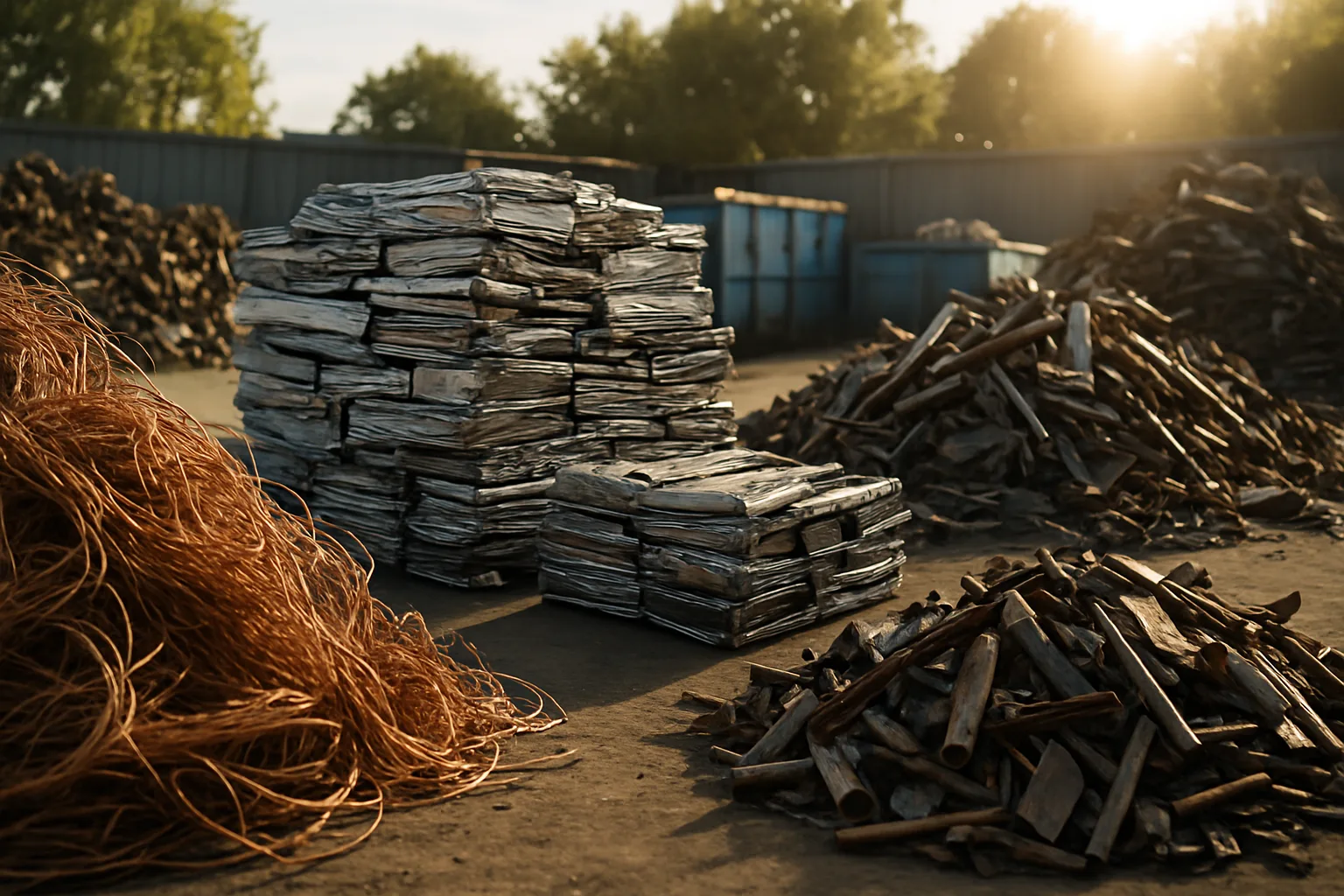
Copper is one of the most valuable metals in your yard — and one of the easiest to undervalue if you don't know what you're looking at. Whether you're sorting a load of wire pulls, plumbing demos, or mixed non-ferrous, the grade you assign copper directly affects what you get paid. That's not a small detail. It's the difference between leaving money on the table and walking away with a solid number.
This guide breaks down copper scrap grades, what drives copper scrap price trends in 2026, and how sellers — including yards in Fresno and across California — can use better documentation and competitive platforms to get accurate price discovery on every load.
And yes, we'll tie in steel scrap price today context too — because savvy sellers don't move copper in a vacuum. They watch the whole ferrous and non-ferrous market to time their loads right.
Why Copper Grading Matters More Than You Think
Most sellers know copper is worth more than aluminum. Fewer understand that the spread between copper grades can be substantial — sometimes significant per pound depending on contamination and preparation. A load you think is #1 copper might grade out as #2 at the scale. That gap compounds fast on a full pallet or drum.
Copper grading isn't arbitrary. Buyers price it based on what they'll net after processing. More contamination means more cost to them — so they price it back to you. If you want top-of-market rates, you need to understand the grades before your load leaves the yard.
Here's a quick reference for the most common copper grades in North America:
- Bare Bright Copper (#1 Bright & Shiny): Uncoated, unalloyed copper wire, minimum 1/16" diameter. No solder, no paint, no insulation. This is the top grade. Clean wire pulls, stripped correctly, qualify here.
- #1 Copper: Uncoated copper pipe, wire, or solid copper — free of excessive oxidation, solder, and insulation. Some oxidation is acceptable. Old plumbing demos often land here.
- #2 Copper: Mixed copper with some contamination — solder joints, light coatings, small fittings, oxidation. Most field-pulled copper ends up here without sorting effort.
- Insulated Copper Wire (ICW): Priced based on estimated copper content percentage. Recovery rate matters. Romex, THHN, and communication cable all grade differently.
- Copper Alloys (Brass, Bronze): Separate category. Yellow brass, red brass, and bronze all carry different values. Don't mix them into copper loads.
Good scrap metal inventory management starts here — at the point of sorting. The more accurately you categorize incoming material, the more confidently you can represent it to buyers.
Copper Scrap Price Trends in 2026: What's Moving the Market
Copper prices in 2026 continue to be driven by a combination of global supply constraints, energy transition demand, and regional processing capacity. The electrification buildout — EV infrastructure, grid upgrades, commercial solar — keeps copper demand elevated in ways that weren't a factor five years ago.
On the supply side, mine output has been inconsistent. When primary copper supply tightens, secondary (scrap) copper becomes more attractive to mills and refiners. That's generally good for scrap sellers — but only if you're positioned to take advantage of it. If you're locked into a single-buyer relationship with no competitive pressure, you may not see the benefit of a strong market in your offer price.
A few factors actively shaping copper scrap prices right now:
- LME and COMEX copper futures: Most domestic scrap copper prices are indexed off COMEX. When futures spike, scrap prices follow — but with a lag. Knowing this lets you time your loads more strategically.
- Regional demand: Yards in California, including Fresno, serve both domestic consumers and export channels through West Coast ports. That dual demand can keep regional prices competitive.
- Freight and processing costs: Buyers factor in their cost to move and process material. Clean, sorted, well-documented loads cost less to process — and often attract better offers.
- Grade contamination on the market: When the market is flooded with low-quality, mixed copper, buyers tighten their grading. Sellers with clean, well-sorted loads stand apart.
To stay current, check today's scrap metal prices before you move a load. Rates shift fast, and even a few days can change your outcome.
Steel Scrap Price Today — Why Non-Ferrous Sellers Need to Watch Ferrous Markets
If you're focused on copper, you might wonder why steel scrap price today matters to you. Here's the practical reason: ferrous and non-ferrous markets often move in response to the same macro signals. When steel demand drops — slower construction, softening manufacturing — it can signal broader industrial cooling that eventually hits copper demand too.
More directly, many scrap yards in Fresno and across California handle both ferrous and non-ferrous material. If your ferrous loads are sitting because steel prices are soft, your cash flow is tighter. That pressures some sellers to move non-ferrous loads too early — before they've properly sorted or timed the market.
Watching scrap metal prices today across both categories gives you a more complete picture. You might hold copper and move steel, or vice versa, depending on what the market is doing in a given week. That's not speculation — it's informed selling.
Platforms like SMASH let you move loads when the price is right, not just when you're under pressure. That shift in timing control is worth more than most sellers realize until they experience it.
How to Document Copper Loads for Better Price Discovery
Documentation isn't just for compliance. It directly affects your price. A buyer who can see exactly what they're bidding on — grade breakdowns, weights, photos, serial data where applicable — has less reason to hedge their offer. Less hedging means better numbers for you.
Here's what solid copper load documentation looks like in practice:
- Grade-by-grade weight breakdown: Don't lump everything into "copper." List Bare Bright, #1, #2, ICW, and alloys separately with estimated weights.
- Photos of the material: Clear images of the load, sorted and unsorted. Show what you're representing. Buyers notice when a seller takes the time to do this right.
- Contamination notes: If there's some solder, light oxidation, or mixed fittings in a #2 lot, say so upfront. Surprises at the scale destroy buyer relationships.
- Recovery estimates for ICW: If you're selling insulated wire, note the wire gauge and estimated recovery rate. This is how buyers price it — help them do that accurately.
- Packing lists and BOLs ready to go: When a deal closes, you want zero friction on the back end. Have your documentation ready before the auction, not after.
SMASH builds this documentation workflow directly into the platform. Inventory management, photo uploads, and structured load details are part of how loads get listed — which means buyers arrive at the auction with real information, not guesswork. That's what drives competitive bidding.
For yards in Fresno handling mixed loads from demolition contracts or electrical pull-outs, this kind of structured listing process is especially valuable. You're often dealing with varied material in a single load — and the better you break it down, the more accurately it gets priced.
The SMASH Approach: Competitive Auctions for Non-Ferrous Loads
The old way of selling copper scrap: call your one buyer, take whatever offer they give, move the load. No visibility into whether that offer reflects the market. No way to know what a competing buyer would have paid. No leverage.
SMASH replaces that with a vetted buyer network and an auction format built for scrap. When you list a copper load on SMASH, multiple buyers see it. They bid. Competition reveals the market — and that's better for sellers who've done the work to sort and document their material.
There are no subscription fees. SMASH only earns when a transaction closes. That alignment matters. It means the platform has real incentive to connect you with buyers who are actually competing for your material, not just logging a low offer and waiting for you to accept.
Auto-invoicing and documentation handling reduce the back-end friction that kills deals. You move the load, the paperwork follows cleanly. For high-volume yards managing multiple loads a week, that efficiency adds up.
If you want to get competitive bids for your scrap metal, listing on SMASH is where that process starts. Reach out to jeff@smashscrap.com if you're ready to start selling.
Fresno and California Copper Scrap Sellers: Local Context Matters
Fresno is a significant processing hub for California's Central Valley — a region that generates substantial scrap from agricultural equipment, construction, and utility infrastructure work. Copper from irrigation systems, electrical upgrades, and commercial demolition flows through the area regularly.
California's regulatory environment means documentation and compliance aren't optional — they're built into how legitimate yards operate. That makes structured inventory management and load documentation not just good practice but a baseline expectation for doing business in the state.
For California sellers, understanding how your regional market connects to national pricing is key. West Coast scrap — including copper out of Fresno — can move through domestic channels or export through Pacific ports depending on where demand is strongest. Buyers with export access sometimes offer better rates when domestic spreads are tight. Competitive auctions help surface that kind of buyer, rather than leaving you dependent on whoever calls first.
To stay on top of what the market is doing in your region, read the latest scrap metal market updates — and find current scrap metal prices near you before your next load moves.
Disclaimer: Copper and scrap metal prices fluctuate daily based on commodity markets, regional demand, and material quality. Always verify current rates before selling. The information in this article reflects general 2026 market conditions and should not be used as a substitute for live pricing data.
Frequently Asked Questions
Q: What is the difference between #1 and #2 copper scrap?
#1 copper is clean, uncoated, unalloyed copper pipe or wire with minimal oxidation and no solder. #2 copper has more contamination — solder joints, light coatings, or mixed fittings. The price spread between these two grades can be meaningful, so sorting your material before selling is worth the time.
Q: How does steel scrap price today affect copper scrap pricing?
Ferrous and non-ferrous markets respond to some of the same economic signals — industrial demand, construction activity, and manufacturing output. Watching steel scrap price today gives sellers a broader view of market direction and helps with timing decisions across all scrap categories.
Q: Where can I find current copper and scrap metal prices in Fresno, California?
Scrap metal prices vary by yard and by day. The best approach is to check a current pricing resource and contact local buyers directly. Using a competitive platform like SMASH gives you multiple buyer offers rather than a single quote, which helps you understand what your material is actually worth in the current market.
Q: Does SMASH handle non-ferrous scrap like copper, or only steel?
SMASH handles both ferrous and non-ferrous loads, including copper, aluminum, and other non-ferrous materials. The auction format and vetted buyer network work across material types. Proper grading and documentation are especially valuable for non-ferrous loads where grade differences have a significant price impact.
Q: How do I know if my insulated copper wire is worth stripping before selling?
It depends on the wire gauge, recovery rate, and your labor cost versus the price differential. Thick gauge wire with high copper recovery often makes stripping worthwhile. Thinner communication cable or low-recovery wire may not justify the labor. Check current rates for both stripped and insulated wire before deciding.
Check today's scrap metal prices and get current rates at scrap-metal-prices.com — knowing your number before you move a load is the simplest way to sell smarter.
Follow SMASH on LinkedIn for ongoing scrap metal market insights, pricing trends, and industry updates worth tracking.