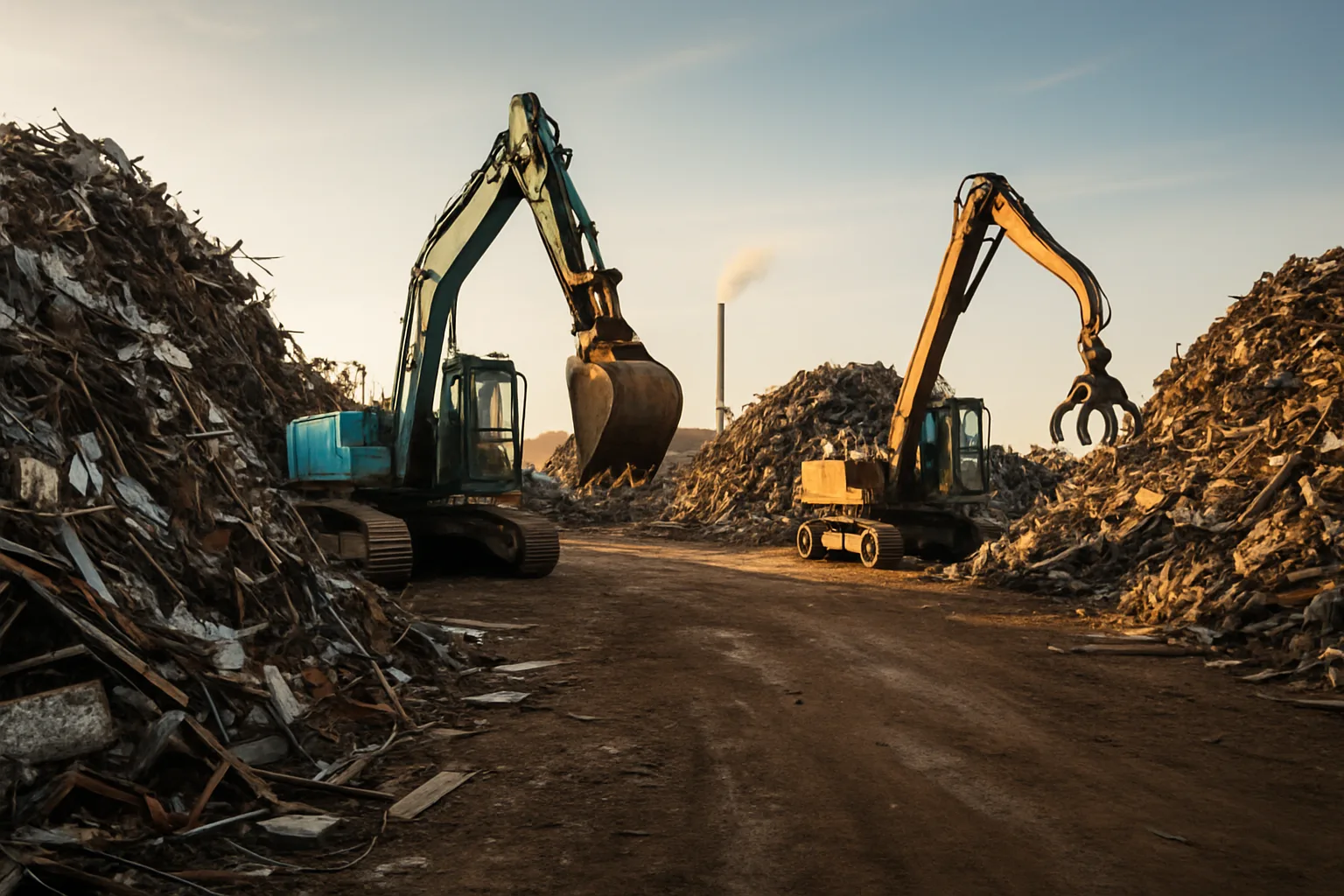
How Environmental Rules Are Reshaping Scrap Metal Prices Today
Most scrap sellers think about price per pound. Few think about what's quietly moving that price from the regulatory side. But in 2026, environmental compliance isn't just a yard operator's headache — it's a market force. New EPA reporting requirements, state-level emissions rules, and tightening standards around hazardous material handling are changing how yards operate, what they'll accept, and what they'll pay. If you're selling scrap metal in Raleigh or anywhere across North Carolina, understanding this landscape means understanding why scrap metal prices today look the way they do.
This week's market recap breaks down the regulatory environment, what it means for copper scrap price, aluminum scrap price, and steel scrap price — and how sellers can navigate it without leaving money on the table.
The Regulatory Pressure on Scrap Yards in 2026
The scrap metal industry isn't flying under the radar anymore. Federal and state agencies have increased scrutiny on everything from stormwater runoff at processing facilities to how yards track and document hazardous materials in end-of-life vehicles. In North Carolina, the Department of Environmental Quality has continued tightening its oversight of metal recycling operations, particularly around fluid drainage documentation and air quality near shredding operations.
What does that mean for the average seller? More overhead at the yard. Compliance costs don't disappear — they move into operating margins, and those margins eventually affect what a buyer will pay for a load. Yards running leaner due to compliance investment may price more conservatively on incoming material. That's not speculation. It's basic economics applied to a highly regulated industrial operation.
Key compliance areas affecting yards right now include:
- Hazardous materials documentation — stricter tracking of mercury switches, lead-acid batteries, and refrigerants from vehicle cores
- Stormwater pollution prevention plans (SWPPP) — required for facilities above a certain footprint, with regular inspections
- Shredder residue disposal — auto shredder residue (ASR) classification and landfill restrictions tightening in multiple states
- Catalytic converter tracking — serial number logging and seller ID requirements now standard across most of the Southeast, including North Carolina
None of this makes recycling harder for the casual seller with a truckload of clean copper or aluminum. But it does mean that documentation, material quality, and load preparation matter more than they used to.
What Cleaner Material Means for Copper Scrap Price and Aluminum Scrap Price
Here's the direct connection: regulatory pressure is making yards pickier. A load of #1 bare bright copper that's clean, dry, and properly sorted commands a different price than mixed wire with insulation still on it. Not just because of processing cost — but because yards under tighter environmental oversight are more selective about what comes through the gate. Processing contaminated loads creates more regulated waste. That cost gets built into the offer.
For aluminum, the same logic applies. Clean cast aluminum or extruded clip sorted by alloy family is easier for a compliant facility to process and sell upstream. Mixed aluminum with paint, insulation, or attached steel costs more to separate and generates more residual waste. The copper scrap price and aluminum scrap price you see posted aren't just commodity reflections — they're also baked-in signals about what a yard wants to handle.
Practical steps sellers can take to maximize their price in this environment:
- Strip insulation from wire before delivery where possible
- Separate ferrous from non-ferrous before arriving at the yard
- Remove aluminum from steel assemblies (frames, brackets, housings)
- Drain fluids from cores, radiators, and automotive components
- Have ID ready — catalytic converter and core sellers especially
A cleaner load isn't just better for the environment. It's a stronger negotiating position. Yards pay more for material they can process with less regulatory risk.
Steel Scrap Price in the Context of Emissions and Trade Policy
Steel is where environmental regulation gets geopolitical. The push for lower-emission steelmaking — particularly through electric arc furnace (EAF) technology — has kept domestic scrap steel demand relatively strong in 2026. EAF mills run on scrap. The cleaner the scrap supply chain, the more efficiently they operate.
That's actually good news for North American sellers. Mills investing in green steel production need reliable, documented scrap supply. They're more likely to pay a premium for material they can trace, which creates an opening for sellers who document their loads properly. On the trade side, Section 232 tariffs and ongoing negotiations around carbon border adjustments continue to influence how much imported steel competes with domestic production — which in turn affects how aggressively mills source domestic scrap.
For Raleigh sellers moving structural steel, HMS, or shredded, the current environment rewards consistency and volume. A single call to one buyer is still the old way. Getting multiple buyers competing for your load is how you capture the actual market rate rather than one yard's preferred margin. Platforms like SMASH Scrap — where verified buyers bid on your metal exist specifically to create that competition where it didn't exist before.
Raleigh and the Southeast: Local Regulations Meeting National Trends
Raleigh sits in a growth corridor. The Triangle region's industrial expansion means more commercial demolition, more construction waste, and more end-of-life equipment moving through the scrap stream. That's opportunity — but it also means more scrutiny on how that material gets handled.
North Carolina has followed the broader national trend of requiring more documentation at the point of sale, particularly for non-ferrous metals. Wake County and surrounding areas have active enforcement around scrap dealer licensing and record-keeping requirements tied to stolen metal prevention statutes. If you're selling Raleigh scrap metal services on a regular basis, knowing these requirements protects you as much as it protects the yard.
The practical upside for Raleigh sellers is that compliant, well-documented loads move faster and command better offers. Yards here are competing for quality material. The more you present as a reliable, above-board source of clean scrap, the more leverage you carry in that conversation. To find current scrap metal prices near you, it helps to know which yards in your area are actively buying and at what rates — and that market intelligence changes week to week.
Documentation, Transparency, and Why SMASH Changes the Equation
One of the clearest shifts in the scrap market right now is the premium on transparency. Buyers at the mill level want to know where material came from. Yards want to cover their compliance obligations. Regulators want a paper trail. That's a lot of pressure on a handshake deal at a scale.
This is where the structure of how you sell starts to matter as much as the material itself. SMASH was built around exactly this problem. Photo documentation, serial tracking for cores and cats, inventory tools that create a verifiable load record — these aren't just features for convenience. They're how documented material gets in front of vetted buyers who are comfortable paying for quality they can verify. No subscription fees. The model is simple: SMASH only wins when the seller wins.
More buyers seeing a well-documented load means better price discovery. That's not a guarantee of a higher number every time. But competition can help reveal the market — and a market revealed is a better outcome than a single buyer's opening offer. To check today's scrap metal prices before you call anyone, you're already ahead of most sellers walking through the gate cold.
For the latest on how market conditions are shifting, read the latest scrap metal market updates — the regulatory picture changes fast, and staying current means staying profitable.
What Sellers Should Watch in the Second Half of 2026
A few trends worth tracking as the year continues:
- EV battery recycling regulations — lithium-ion battery handling rules are still being finalized at the federal level. Yards accepting EV components are navigating a moving target.
- Copper demand from grid and energy infrastructure — domestic infrastructure investment continues to drive copper demand, which supports copper scrap price nationally
- Aluminum from solar panel end-of-life — a growing scrap stream with specific handling and documentation requirements
- Catalytic converter documentation enforcement — North Carolina continues active enforcement; serial tracking is non-negotiable
- Shredder residue classification rulings — watch for EPA updates that could affect how yards handle and price automotive scrap
None of these trends are reasons to hold material. They're reasons to sell smarter — with documentation, with multiple buyers, and with a clear picture of what today's market actually looks like before you make a call.
If you're in Raleigh or anywhere across North Carolina, the regulatory environment isn't working against you as a seller. It's raising the bar on how the whole market operates. Sellers who adapt — cleaner loads, better documentation, competitive selling — come out ahead. Head to scrap-metal-prices.com to check today's scrap metal prices and make sure you're walking into that yard with current numbers in hand, not last week's guess.
Frequently Asked Questions
Q: How do environmental regulations affect scrap metal prices today?
Compliance costs at the yard level — stormwater management, hazardous material handling, shredder residue disposal — add to operating overhead. That overhead influences how yards price incoming material. Cleaner, better-documented loads are less costly to process under tighter regulations, so they often command better offers.
Q: Do I need ID to sell scrap metal in Raleigh, North Carolina?
Yes. North Carolina state law requires scrap dealers to record seller identification for most non-ferrous transactions. Catalytic converter sales require additional documentation including vehicle information and serial numbers. Bring a valid government-issued ID when selling at any Raleigh-area yard.
Q: What's the difference between copper scrap price and aluminum scrap price right now?
Copper consistently trades at a significantly higher price per pound than aluminum due to industrial demand and supply constraints. Both prices fluctuate with global commodity markets, energy costs, and local yard conditions. Check current rates at scrap-metal-prices.com before selling — posted prices can shift daily.
Q: How does a scrap metal auction platform like SMASH help me get a better price?
Instead of calling one buyer and accepting their offer, an auction platform puts your documented load in front of multiple vetted buyers simultaneously. Competition between buyers helps reveal the actual market rate for your material. SMASH charges no subscription fee — it only makes money when a sale happens.
Q: Is it worth cleaning and sorting scrap before selling it?
Generally, yes. Sorted, clean material commands higher per-pound rates because it costs yards less to process and generates less regulated waste. Stripping insulation from copper wire, separating ferrous from non-ferrous, and draining fluids from automotive cores are all steps that can meaningfully improve your final number.
Prices fluctuate based on commodity markets, local yard conditions, and material grade. Always verify current rates before selling. The figures and trends referenced here reflect general 2026 market conditions and are not guarantees of specific pricing.
Follow SMASH on LinkedIn for weekly scrap metal market insights, pricing trends, and industry updates straight from the yard floor.