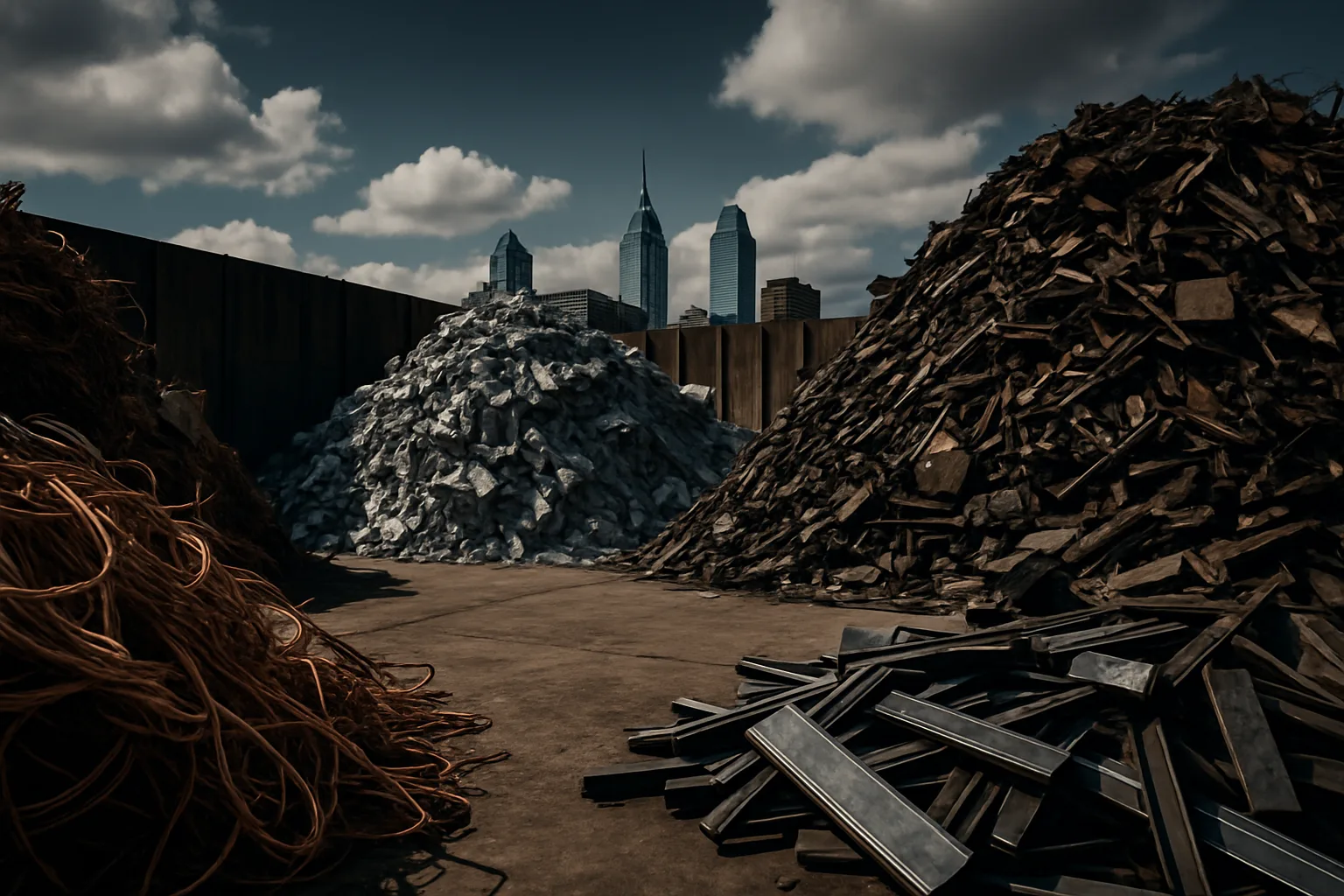
Ferrous vs. Non-Ferrous Scrap: What Philadelphia Sellers Need to Know This Week
Most scrap sellers know copper pays more than steel. But do you know why — and how that difference should change the way you sort, store, and sell your material? If you're hauling mixed loads to a yard in Philadelphia without separating your metals first, you're almost certainly leaving money on the table. This week's market recap breaks down the ferrous vs. non-ferrous distinction, what each category is worth right now, and how to use that knowledge to get better returns on every load.
Whether you're a small operator, a demolition crew, or an independent collector running material through Pennsylvania, understanding your metals is the first step toward pricing them correctly. Let's get into it.
What Makes a Metal Ferrous or Non-Ferrous?
The split is simple: ferrous metals contain iron. Non-ferrous metals don't. A magnet is your fastest sorting tool on the floor — if it sticks, it's ferrous. Steel, cast iron, and wrought iron all fall into this category. They're heavy, abundant, and traded in bulk. Pricing is typically quoted per gross ton or per hundredweight (CWT), and margins move with industrial demand and steel mill activity.
Non-ferrous metals — copper, aluminum, brass, stainless steel, lead, zinc — don't contain iron in any meaningful quantity. They don't rust the same way, they conduct electricity better, and they're considerably rarer in the waste stream. That scarcity drives price. Where ferrous scrap might trade in the range of tens of dollars per ton, copper can trade hundreds of times higher on a per-pound basis. The gap is real, and it matters for every seller in the market.
- Ferrous examples: HMS (heavy melting steel), #1 and #2 steel, cast iron, rebar, sheet iron, auto body
- Non-ferrous examples: bare bright copper, #1 and #2 copper, aluminum extrusion, yellow brass, red brass, lead, 304 and 316 stainless steel
- The sorting rule: Magnet sticks = ferrous. Magnet passes = non-ferrous. When in doubt, keep grades separated.
Yards in Philadelphia and across Pennsylvania price these categories on entirely different schedules. Ferrous prices track closely with steel mill buying programs and scrap indices like AMM or Fastmarkets. Non-ferrous pricing moves daily with the London Metal Exchange (LME) and COMEX copper futures. That's why checking today's scrap metal prices before you load a truck is a habit worth building.
Current Scrap Metal Prices Philadelphia — Week of August 16, 2026
Scrap metal prices fluctuate based on global commodity markets, regional mill demand, freight costs, and buyer competition. The numbers below reflect general market ranges for reference purposes — always verify with your local yard or a live pricing platform before selling.
Ferrous metals have seen moderate pressure through mid-2026. Domestic steel demand remains tied to construction and manufacturing output, and both sectors have had mixed signals this year. HMS #1 and #2 pricing has held relatively steady compared to the volatility seen in prior years, but that stability isn't guaranteed. Philadelphia-area yards serving the Mid-Atlantic corridor have the advantage of proximity to multiple steel consumers, which can support slightly better regional bids on bulk ferrous loads.
Non-ferrous metals continue to attract the most attention from sellers and buyers alike. The copper scrap price today is the number most sellers want to know first — and with good reason. Bare bright copper remains one of the highest-value grades in the yard. Aluminum extrusion and sheet aluminum continue to hold strong interest from secondary smelters. Brass grades — yellow and red — remain actively bid by foundries.
- Bare bright copper: Market-dependent; check live rates daily
- Copper #1 (Barley): Slight discount to bare bright; insulation-free, unalloyed
- Copper #2 (Candy): Further discounted; mixed, painted, or lightly contaminated
- Aluminum extrusion (6061): Actively bid; ask your yard for current clean vs. dirty spread
- Yellow brass: Tracks copper; strong demand from foundries
- HMS #1 ferrous: Priced per gross ton; check AMM indices for weekly movement
Disclaimer: Scrap metal prices change daily and vary by region, grade, quantity, and buyer. The ranges above are for general reference only. Always find current scrap metal prices near you before making selling decisions.
Why Grade Separation Drives Your Price Per Pound
Here's where most sellers bleed margin without knowing it. When you mix grades — copper #1 with copper #2, or throw aluminum into a steel bin — yards will price the entire load at the lowest-grade rate. They have to. They're buying risk along with your metal. A load of clean bare bright copper that accidentally contains painted wire or brass fittings gets knocked down to a blended price that doesn't reflect the clean material you worked to source.
Separation pays. Full stop. It takes more time on the floor, but the per-pound recovery more than compensates for the labor. Philadelphia scrap yards — like yards everywhere in Pennsylvania — deal in volume and efficiency. When you show up with sorted, documented material, you make the transaction faster and cleaner for both sides. That's the kind of relationship that earns better bids over time.
Documentation matters too. Knowing the weight, grade, and condition of your material before you arrive means you can negotiate with facts, not feelings. Platforms that support photo documentation, serial tracking, and proper inventory listing — like the tools built into SMASH — exist precisely because documented loads attract more confident buyers and more competitive bids.
How a Scrap Metal Auction Platform Changes Your Pricing Reality
The traditional model is one buyer, one phone call, one price. You either take it or you call another yard. Most sellers don't have the time or relationships to run a true competitive process on every load. That's where a scrap metal auction platform changes the math.
SMASH runs a vetted-buyer auction model designed specifically for scrap yards and recyclers moving real volume. Instead of settling for a single offer, your load gets in front of multiple qualified buyers simultaneously. Competition reveals the market. When buyers know they're competing, they bid closer to what the material is actually worth — not what they can get away with offering a seller who has no other options.
There are no subscription fees. SMASH only wins when you win. That alignment matters, especially when you're managing loads of non-ferrous material where even a few cents per pound on hundreds of pounds adds up to serious dollars. Sell your scrap metal on the SMASH marketplace and see what competitive bidding actually looks like on your grades.
For Philadelphia-area sellers moving regular volume — demolition loads, electrical wire, radiators, end-of-life equipment — the auction format gives you price discovery that a single cold call never will. The same principle applies to Philadelphia scrap metal services regardless of the size of your operation. More buyers means better price discovery. That's not hype. It's arithmetic.
Scrap Metal Recycling Pennsylvania: Regional Context for Mid-Atlantic Sellers
Pennsylvania sits at the intersection of several major scrap flows. The Mid-Atlantic corridor generates substantial industrial, construction, and demolition scrap. Philadelphia, Pittsburgh, and the corridor between them have historically supported strong yard density and buyer competition — particularly for non-ferrous grades that move to foundries and smelters across the Northeast and Mid-Atlantic.
Scrap metal recycling in Pennsylvania has continued to mature in 2026. Dealer licensing requirements, material documentation standards, and anti-theft tracking have all tightened across the state over the past several years. If you're moving higher-value non-ferrous material — copper, aluminum, catalytic converters — having your documentation in order isn't just good practice, it's increasingly expected. Yards that see organized, documented sellers move those loads faster and with fewer compliance headaches.
For sellers in the Philadelphia market specifically, proximity to port infrastructure also matters. Certain grades of non-ferrous scrap move to export buyers, and Philadelphia's port access can influence regional bids on bulk non-ferrous loads when domestic mill demand softens. Staying current on market direction — including export demand signals — is part of being a sharp seller. Read the latest scrap metal market updates to stay ahead of the curve.
Maximizing Your Return: Practical Tips for This Week's Market
The market doesn't wait for you to get organized. Here's what sharp sellers are doing right now to protect and improve their per-load returns:
- Sort before you load. Bare bright copper in its own container. Aluminum extrusion separate from cast. Steel away from everything else. Grade separation is the fastest way to improve your blended per-pound average.
- Weigh and photograph your loads. Know what you have before the yard scale tells you. Discrepancies happen, and having your own records protects you.
- Check copper scrap price today before you sell. Copper moves with COMEX. A few cents per pound across a few hundred pounds of wire changes your day materially.
- Don't default to your only buyer. If you only have one relationship, you don't have leverage. Vetted platforms like SMASH exist to give independent sellers the same access to competition that large industrial generators use.
- Track your loads over time. Knowing your average per-load return by grade tells you where to focus your sourcing and sorting energy. Data beats gut feeling every time.
If you're running volume through Philadelphia or anywhere in Pennsylvania, the combination of good sorting habits, accurate documentation, and access to competitive buyers is what separates disciplined sellers from the ones who wonder why their margins feel thin every week.
Markets move. Prices fluctuate. What you can control is how prepared you are when you walk into a yard — or open an auction. Start by knowing what you have, then make sure more than one buyer knows about it. When you're ready to check today's scrap metal prices and compare what competition can do for your loads, the tools are there.
Frequently Asked Questions
Q: What is the difference between ferrous and non-ferrous scrap metal prices in Philadelphia?
Ferrous scrap — steel and iron — is priced per gross ton and generally trades at a much lower per-pound rate than non-ferrous metals. Non-ferrous metals like copper and aluminum command significantly higher prices per pound because they're less abundant in the scrap stream and have stronger industrial demand. Philadelphia yards price both categories separately, and the gap between them can be substantial depending on market conditions.
Q: How do I find the current copper scrap price today in Philadelphia?
Copper prices move daily with COMEX futures, so checking a live pricing resource is essential before you sell. Prices also vary by grade — bare bright copper trades higher than #2 copper. Check a dedicated scrap pricing platform for current rates and confirm the specific grade price with your yard before loading your truck.
Q: Is it worth separating my scrap metal before taking it to a Philadelphia yard?
Yes — consistently and significantly. Mixed loads get priced at the lowest grade present because the yard assumes the worst-case sorting cost. Separating your copper from aluminum, and clean grades from contaminated ones, can meaningfully improve your per-pound return. The time invested in sorting is almost always recovered in a better payout.
Q: What are current scrap metal prices in Pennsylvania for aluminum?
Aluminum prices vary by grade and change with LME aluminum pricing and regional demand from smelters. Clean extrusion (6061), sheet aluminum, and cast aluminum all trade at different rates. Pennsylvania yards serving the Mid-Atlantic market are generally active buyers of aluminum in 2026. Check a live pricing platform for today's specific rates by grade.
Q: How does SMASH help scrap sellers in Philadelphia get better prices?
SMASH is a vetted-buyer auction platform that puts your documented loads in front of multiple qualified buyers simultaneously. Instead of accepting a single offer from a single yard, competition among buyers helps reveal the true market value of your material. There are no subscription fees — SMASH earns only when you do. It's particularly effective for non-ferrous loads where even small price-per-pound improvements add up across volume.
Prices shift week to week, and the sellers who stay informed are the ones who sell smarter. If you're moving material in or around Philadelphia, knowing your grades and checking live rates before you sell is the simplest edge available to you. Head to scrap-metal-prices.com to check today's scrap metal prices and get current rates before your next load goes out the door.
Follow SMASH on LinkedIn for weekly scrap metal market insights, pricing trends, and industry updates you can actually use.