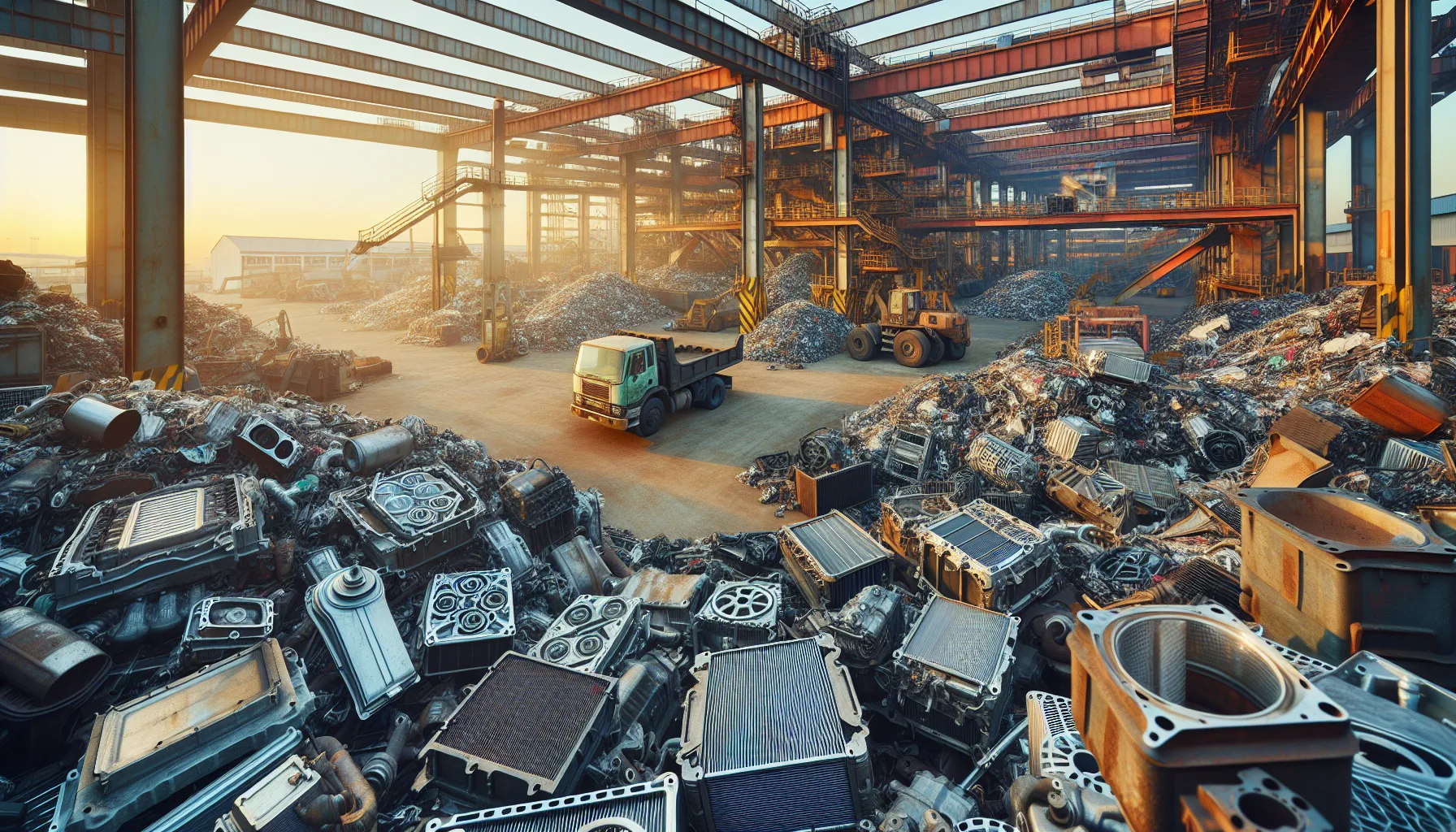
Auto parts recycling drives a massive portion of Michigan's scrap metal market, with radiators and alternators representing some of the most valuable components processed daily. These parts contain significant amounts of copper, aluminum, and steel — metals that command strong prices in 2026's robust recycling economy. Understanding how these components get recycled helps Warren-area sellers maximize their returns while supporting sustainable metal recovery.
The journey from discarded auto part to recycled metal involves sophisticated processing techniques that separate valuable materials with remarkable precision. Radiators alone can yield substantial copper and aluminum content, while alternators provide copper windings and steel housings that fetch competitive rates. Let's explore how this intricate recycling process works and what it means for scrap metal recycling Warren operations.
The Auto Parts Recycling Process: From Component to Clean Metal
Auto recyclers begin with careful dismantling to preserve the integrity of valuable metals. Radiators get drained of all fluids before technicians separate the copper tubes from aluminum fins and plastic tanks. This initial separation proves crucial because mixed metals bring lower prices than clean, sorted materials.
Alternators require different handling due to their complex internal components. Workers remove the outer steel casing first, then extract copper windings from the rotor and stator assemblies. The copper wire often comes wrapped in insulation that must be stripped or processed through specialized equipment to achieve the highest copper scrap prices Warren buyers are willing to pay.
Advanced shredding equipment breaks down larger components into manageable pieces. Magnetic separators pull ferrous metals like steel, while air classification systems separate aluminum pieces based on density differences. This automated sorting ensures maximum recovery rates and cleaner final products that meet strict industry specifications.
Quality control measures verify metal purity throughout the process. X-ray fluorescence analyzers test metal composition to confirm grade classifications. This technology helps recyclers achieve premium pricing by guaranteeing buyers receive materials that meet their exact specifications for remelting operations.
Copper Recovery: The Crown Jewel of Auto Parts Recycling
Copper represents the most valuable component in many auto parts, particularly radiators and alternators. Radiator cores typically contain 70-80% copper content, making them highly sought after by scrap dealers. The copper tubing used in older radiators commands especially strong prices due to its high purity level and minimal contamination.
Alternator copper comes primarily from the electromagnetic windings that generate electrical current. These windings consist of pure copper wire, though extracting them requires skilled dismantling to avoid contamination with steel components. Professional recyclers use specialized tools to cleanly separate copper windings while preserving their integrity and value.
Processing copper from auto parts involves several cleaning stages. Initial sorting removes obvious contaminants like plastic connectors and steel brackets. Granulation breaks copper pieces into uniform sizes for easier handling during smelting operations. This preparation work directly impacts the final check today's scrap metal prices that sellers can achieve.
The copper market in 2026 shows strong demand from construction and renewable energy sectors. Warren-area recyclers benefit from this robust demand, with clean copper commanding premium rates. However, contaminated or mixed copper receives significantly lower valuations, emphasizing the importance of proper preparation and sorting.
Aluminum Extraction: Lightweight Metal, Heavy Value
Aluminum recovery from auto parts focuses primarily on radiator components and some alternator housings. Modern radiators use aluminum fins and tanks to reduce weight while maintaining heat transfer efficiency. These aluminum components can be recycled indefinitely without quality degradation, making them extremely valuable to manufacturers.
The aluminum separation process begins with mechanical dismantling to remove copper tubes and plastic components. Workers use cutting tools to separate aluminum fins from copper cores, though some automated systems can handle this separation through density-based sorting. Clean aluminum separation ensures sellers receive the best scrap metal prices Michigan dealers offer.
Different aluminum grades require separate processing streams. Cast aluminum from some alternator housings has different recycling requirements than sheet aluminum from radiator components. Understanding these distinctions helps recyclers optimize their processing efficiency and achieve maximum material recovery rates.
Aluminum's recycling energy savings make it particularly attractive in 2026's environmentally conscious market. Recycling aluminum requires 95% less energy than primary production, creating strong demand from manufacturers seeking to reduce their carbon footprint. This demand supports stable pricing for clean aluminum scrap throughout Michigan.
Steel Processing: The Foundation of Auto Parts Recycling
Steel comprises the largest volume of material in most auto parts recycling operations. Alternator housings, mounting brackets, and structural components contribute significant steel tonnage to scrap metal recycling Warren facilities. While steel commands lower per-pound prices than copper or aluminum, its volume makes it economically important.
Magnetic separation technology efficiently isolates steel components from non-ferrous metals. Large electromagnets lift steel pieces from mixed material streams, allowing other metals to pass through for further processing. This automated separation reduces labor costs while improving processing speed and accuracy.
Steel preparation involves size reduction through shredding and cutting operations. Smaller steel pieces melt more efficiently in steel mill furnaces, creating demand for properly sized scrap materials. Some facilities use torch cutting for larger components, while industrial shredders handle high-volume processing needs.
The steel recycling market in 2026 benefits from infrastructure investments and construction demand. Warren's proximity to Detroit's automotive manufacturing creates steady demand for recycled steel materials. This local demand helps stabilize pricing and provides reliable outlets for processed steel scrap.
Technology and Innovation in Auto Parts Metal Recovery
Advanced sorting technologies revolutionize how recyclers extract maximum value from auto parts. Eddy current separators use electromagnetic fields to separate non-ferrous metals with unprecedented accuracy. These systems can distinguish between different aluminum alloys and copper grades, enabling more precise sorting and higher material values.
Optical sorting equipment uses infrared and visible light spectroscopy to identify metal types and compositions. This technology proves especially valuable for processing mixed auto parts where visual identification becomes challenging. Automated sorting reduces contamination rates and improves the consistency of recycled materials.
Data analytics help optimize processing operations by tracking material flows and identifying efficiency improvements. Modern facilities monitor recovery rates for different auto parts types, allowing operators to adjust processes for maximum material yield. This data-driven approach helps recyclers stay competitive in Michigan's dynamic scrap market.
Digital platforms like SMASH connect auto parts sellers with recyclers more efficiently than traditional methods. These platforms provide real-time pricing information and streamline the selling process for individuals and businesses with auto parts to recycle. Technology integration makes it easier to find current scrap metal prices near you while ensuring fair compensation.
Environmental Impact and Regulatory Considerations
Auto parts recycling provides substantial environmental benefits by reducing mining demand and energy consumption. Recycling one ton of steel saves 2,500 pounds of iron ore, 1,400 pounds of coal, and 120 pounds of limestone. These resource savings make auto parts recycling a critical component of sustainable manufacturing.
Regulatory compliance ensures safe handling of automotive fluids and materials. Michigan's environmental regulations require proper disposal of coolants, oils, and other hazardous substances before metal recycling begins. Licensed recyclers follow strict protocols to prevent contamination and protect local water supplies.
Air quality regulations govern emissions from metal processing operations. Modern recycling facilities use pollution control equipment to minimize particulate emissions and comply with EPA standards. These environmental investments support community health while maintaining efficient recycling operations.
Extended producer responsibility programs encourage automakers to design parts for easier recycling. These initiatives promote material choices and design features that simplify end-of-life processing. Such programs help create a more circular economy for automotive metals and support long-term sustainability goals.
The integration of platforms like SMASH into the auto parts recycling ecosystem demonstrates how technology enhances both environmental and economic outcomes. By connecting sellers directly with recyclers, these platforms reduce transportation needs while ensuring materials reach appropriate processing facilities. Warren residents and businesses can now read the latest scrap metal market updates to stay informed about pricing trends and make educated decisions about their recyclable auto parts.
As Michigan continues leading automotive innovation in 2026, the state's scrap metal recycling infrastructure evolves to handle new materials and technologies. Electric vehicle components present new opportunities and challenges for recyclers, requiring continued adaptation and investment in processing capabilities.
Understanding how auto parts recycling works empowers sellers to prepare materials properly and achieve maximum returns. Whether you're dealing with a single alternator or multiple radiators, proper preparation and knowledge of current market conditions help optimize your recycling revenue. For the most current information on what your auto parts are worth today, smashscrap.com provides up-to-date market insights and connection opportunities with local recyclers.
Frequently Asked Questions
Q: What auto parts contain the most valuable scrap metal in Warren?
Radiators typically offer the highest value due to their copper content, followed by alternators for their copper windings. Catalytic converters also contain valuable metals, though they require specialized processing. Clean separation of metals before selling maximizes your return on these components.
Q: How should I prepare auto parts for scrap metal recycling in Warren?
Drain all fluids completely and remove obvious non-metal components like plastic caps or rubber hoses. Separate different metal types when possible – keep copper separate from aluminum and steel. Clean parts typically bring better prices than contaminated materials.
Q: Where can I find current copper scrap prices in Warren?
Scrap metal prices fluctuate daily based on market conditions. Check with local scrap yards for current rates, or use online platforms that provide real-time pricing information. Getting quotes from multiple buyers helps ensure you receive competitive pricing for your materials.
Q: Do I need to separate metals from auto parts before selling?
While not always required, separating metals typically increases your payout. Clean copper commands higher prices than mixed materials, and separated aluminum brings better rates than contaminated pieces. The extra effort in preparation often results in significantly higher returns.
Q: Are there scrap yards open today near Warren for auto parts recycling?
Many scrap yards in the Warren area maintain regular business hours Monday through Friday, with some offering Saturday service. Call ahead to confirm current hours and verify they accept the specific auto parts you want to recycle, as some facilities specialize in certain material types.
Whether you're recycling a single radiator or clearing out an automotive repair shop's accumulated parts, understanding the recycling process helps you maximize returns while supporting Michigan's circular economy. Check today's scrap metal prices — get current rates at scrap-metal-prices.com to ensure you're getting fair compensation for your valuable auto parts materials.
Stay connected with the latest industry insights and market trends by following SMASH on LinkedIn at https://www.linkedin.com/company/scrap-metal-auction-sales-hub for regular updates on scrap metal markets and recycling opportunities.