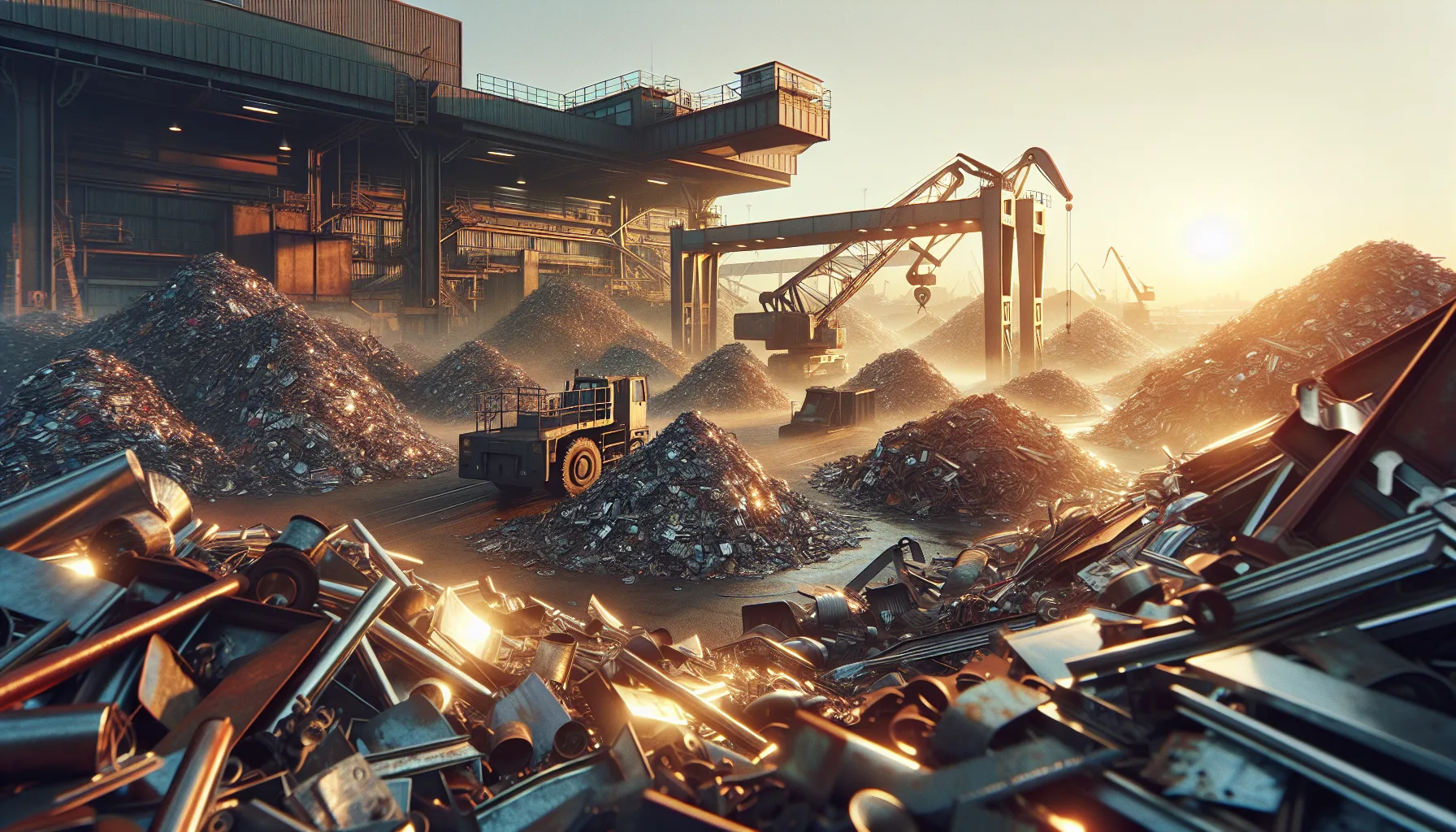
Steel and iron scrap might look similar, but their pricing tells a different story in today's market. Understanding these differences helps scrap dealers maximize profits when selling materials. While many sellers focus on the copper scrap price today, steel and iron remain volume drivers that significantly impact overall earnings.
The distinction between steel and iron affects everything from collection strategy to final payout. Smart scrap dealers know these materials inside and out.
Current Steel vs Iron Scrap Price Differences
Steel consistently commands higher prices than iron scrap due to its refined composition and processing requirements. Steel contains controlled carbon levels and additional alloys that make it more valuable for recycling into new products.
Iron scrap, particularly cast iron, typically trades at lower rates because it requires more processing to remove impurities. The carbon content in cast iron ranges from 2-4%, while steel maintains carbon levels below 2%. This fundamental difference drives the price gap.
Current market conditions in 2026 show steel scrap trading significantly above iron prices. Heavy melting steel commands premium rates, while prepared steel brings even higher returns. Cast iron and wrought iron lag behind both steel categories.
Check today's scrap metal prices to see real-time differences between steel and iron categories. Prices fluctuate daily based on demand from mills and global market conditions.
Identifying Steel vs Iron for Maximum Value
Proper identification separates profitable dealers from those leaving money on the table. Steel typically shows magnetic properties but feels lighter than cast iron of similar size. A magnet test provides the first clue, but weight and appearance offer additional insights.
Cast iron appears darker and feels significantly heavier. It often shows a rougher surface texture compared to steel's smoother finish. Cast iron also tends to be more brittle, while steel demonstrates flexibility under pressure.
Stainless steel presents unique challenges since many grades show minimal magnetic attraction. These materials command premium prices but require expert identification. When in doubt, separate questionable materials for professional evaluation.
Raleigh scrap dealers benefit from understanding these distinctions before visiting yards. Proper sorting increases efficiency and ensures accurate pricing for each material type.
Market Factors Affecting Steel and Iron Prices
Construction demand heavily influences steel scrap pricing throughout North Carolina and beyond. New building projects require significant steel input, driving up demand for recycled materials. Infrastructure spending and manufacturing activity directly correlate with steel scrap values.
Iron scrap follows different market patterns, often tied to foundry operations and casting requirements. Automotive manufacturing, pipe production, and machinery manufacturing consume substantial iron scrap volumes.
Global trade policies impact both materials differently. Steel faces more scrutiny in international markets, while iron scrap maintains steadier demand patterns. Currency fluctuations also affect pricing, particularly for materials destined for export.
Local market conditions in Raleigh reflect these broader trends while adding regional factors. Proximity to mills, transportation costs, and regional construction activity all influence final scrap prices.
Processing and Preparation Impact on Pricing
Preparation level dramatically affects final pricing for both steel and iron materials. Clean, prepared steel commands the highest prices, while mixed or contaminated materials receive significant discounts.
Steel preparation involves removing non-ferrous attachments, paint, and other contaminants. Heavy melting steel requires pieces under specific size limits, typically 5 feet by 18 inches. Proper preparation often doubles the price compared to unprepared materials.
Iron scrap preparation focuses on removing sand, dirt, and non-metallic attachments. Cast iron radiators, engine blocks, and machinery parts need cleaning to achieve top prices. The extra effort invested in preparation typically pays substantial dividends.
Find current scrap metal prices near you and compare prepared versus unprepared pricing. The difference often justifies investment in basic preparation tools and time.
Maximizing Returns Through Strategic Selling
Timing plays a crucial role in steel and iron scrap sales. Market cycles affect these materials differently, with steel showing more volatility and iron maintaining steadier patterns. Understanding these cycles helps sellers choose optimal timing.
Volume accumulation strategies work particularly well for steel and iron given their lower per-pound values compared to non-ferrous metals. Building substantial quantities before selling reduces per-trip costs and may qualify for better pricing tiers.
The SMASH platform revolutionizes how dealers approach steel and iron sales. Instead of accepting yard prices, sellers can auction materials to competing buyers. This competitive environment often results in significantly higher returns, especially for quality prepared materials.
Multiple buyers bidding on the same materials drives prices up naturally. SMASH connects sellers with mills, brokers, and processors actively seeking steel and iron scrap. This expanded market reach often reveals premium pricing opportunities missed through traditional yard sales.
Read the latest scrap metal market updates to stay informed about pricing trends affecting steel and iron markets. Knowledge of market conditions helps sellers time their sales optimally.
Smart dealers also diversify their material streams. While focusing on steel and iron provides steady volume, mixing in higher-value materials like copper improves overall profitability. Balancing volume materials with premium metals creates sustainable business models.
Sell your scrap metal on the SMASH marketplace to access competitive bidding for all material types. The platform handles everything from initial listing to final payment, streamlining the entire sales process.
Frequently Asked Questions
Q: How much difference exists between steel and iron scrap prices?
Steel scrap typically trades 20-40% higher than iron scrap due to its refined composition and easier processing requirements. Prepared steel commands the highest premiums, while cast iron receives the lowest pricing in this category.
Q: Can I mix steel and iron when selling scrap?
Most yards prefer separation since steel and iron have different processing requirements and pricing structures. Mixing materials typically results in pricing at the lower iron rate, reducing overall returns.
Q: What preparation increases steel scrap value most?
Removing all non-ferrous attachments, cleaning off paint and coatings, and cutting materials to proper sizes significantly increase steel scrap values. Prepared steel often brings double the price of unprepared mixed materials.
Q: How do copper scrap prices compare to steel and iron?
Copper scrap price today typically runs 10-20 times higher per pound than steel or iron scrap. However, steel and iron provide volume opportunities that can generate substantial overall returns despite lower per-pound pricing.
Q: Which factors most affect steel scrap pricing?
Construction activity, automotive production, and global steel demand drive pricing for steel scrap. Local factors like transportation costs and regional mill capacity also influence final pricing structures.
Understanding the price differences between steel and iron scrap transforms casual sellers into profitable dealers. Knowledge of material identification, preparation techniques, and market timing creates sustainable advantages in competitive markets. Platforms like SMASH provide access to broader buyer networks, often revealing pricing opportunities beyond traditional yard sales. Check today's scrap metal prices — get current rates at scrap-metal-prices.com.
Follow SMASH on LinkedIn for industry updates and scrap metal market insights that keep you ahead of pricing trends.