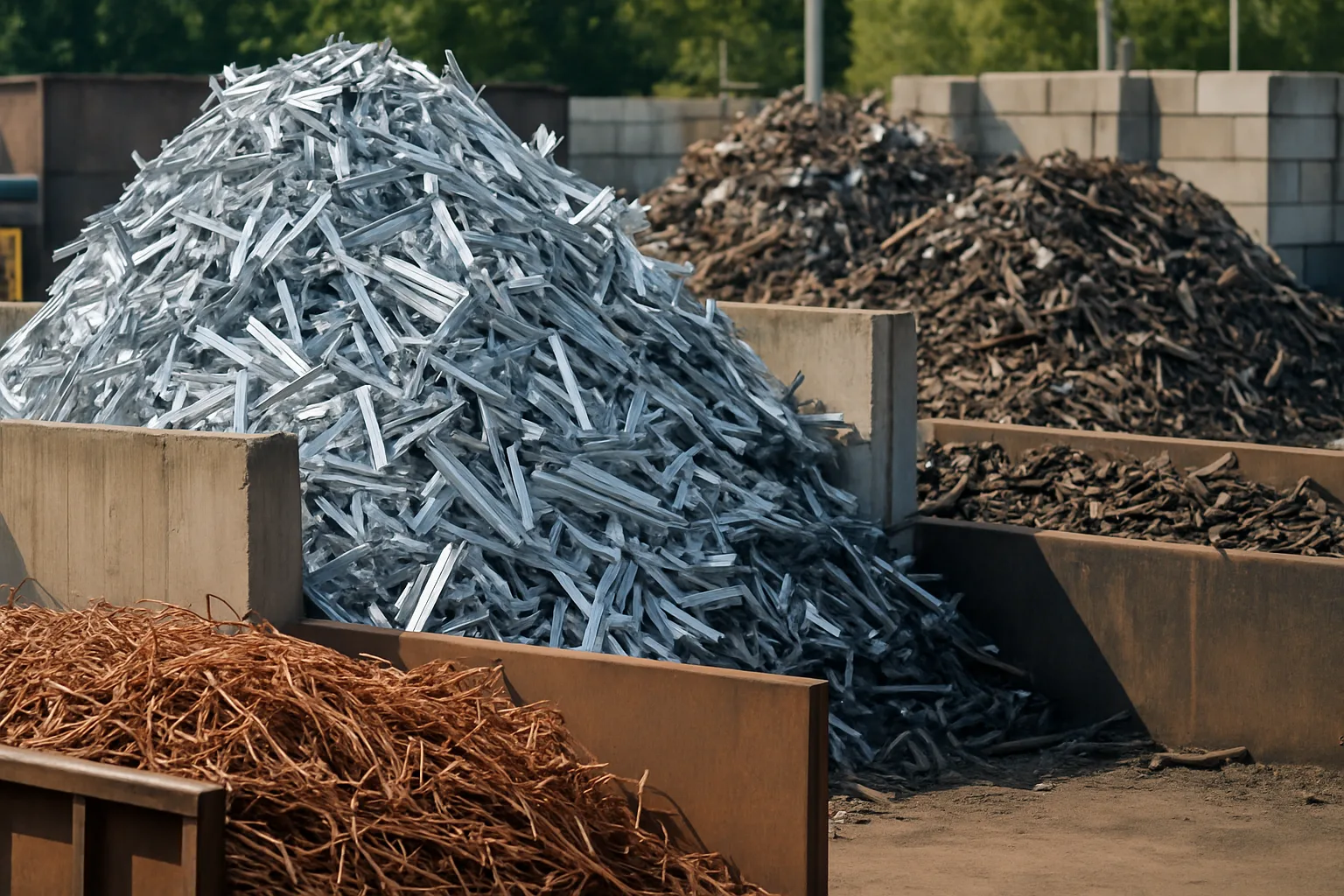
Aluminum Scrap Grades Explained: How to Get Top Dollar When You Sell
Most sellers leave money on the table before they even make a phone call. They show up with a mixed load, accept whatever the yard offers, and drive away thinking that's just how it works. It isn't. Knowing your aluminum scrap grades is one of the fastest ways to change what lands in your pocket — especially if you're looking to sell scrap metal near me Jersey City, where yards are competitive and buyers are active.
Aluminum is not a single commodity. It's a family of alloys, tempers, and forms — and each one carries a different value. A pound of clean 6061 extrusion is not the same as a pound of painted siding or a cast transmission housing. Treat them the same, and you're giving money away. This guide breaks down the grades, what they're worth, and how to position your material to get the best price available.
The Core Aluminum Scrap Grades and What Buyers Actually Pay For
Aluminum scrap is traded in well-established grades. The names vary slightly yard to yard, but the underlying categories are consistent across New Jersey and the broader North American market. Here's what you need to know before you haul a single pound.
- Clean Aluminum (EC Wire, 1100, 6061): The premium tier. This includes bare aluminum wire, clean extrusions, and unalloyed sheet with no paint, coatings, or attachments. Buyers pay top-of-market for this material because it requires minimal processing.
- Painted or Coated Aluminum: Gutters, siding, window frames. Structurally aluminum, but the coating means more work at the smelter. Expect a discount versus clean.
- Cast Aluminum: Engine blocks, transmission cases, wheels. Higher silicon content puts this in its own grade. Buyers want it clean — free of steel, iron, and other attachments.
- Aluminum Turnings and Borings: Machined material from shops. High surface area means oxidation risk and potential contamination from cutting fluids. Most yards apply a moisture and contamination discount.
- Insulated Aluminum Wire: Wire still in its jacket. Processors buy this, but they'll estimate recovery percentage and price accordingly. Strip it if you can — the difference in payout per pound is significant.
- MLC (Mixed Low Copper Aluminum): A catch-all for mixed scrap that doesn't cleanly fit a premium grade. This is where unsorted loads end up — and where the lowest prices live.
The gap between clean extrusion and a mixed load isn't trivial. It can easily represent a meaningful percentage of your total payout per pound. If you're moving volume, that gap compounds fast. Sort your material before you sell — full stop.
Why Scrap Metal Prices Today Fluctuate for Aluminum Specifically
Aluminum is one of the more volatile non-ferrous metals in the scrap market. Unlike steel, which moves in slower cycles, aluminum pricing responds quickly to a handful of key drivers. Understanding them helps you time your sales and set realistic expectations.
Primary aluminum production costs set a floor. Smelting primary aluminum is energy-intensive. When energy prices rise, the cost advantage of recycled aluminum grows — and scrap prices tend to follow. That relationship has been particularly relevant in 2026 as industrial energy costs remain elevated in parts of North America.
Beyond energy, watch these variables:
- LME (London Metal Exchange) pricing: The global aluminum benchmark. Yards and processors use it as a reference point, then apply their own spreads based on grade, volume, and local demand.
- Domestic manufacturing demand: Auto production, aerospace, packaging, and construction all consume recycled aluminum. A slowdown in any of these sectors ripples back to the scrap yard.
- Import/export dynamics: Tariff structures and trade flows affect where material moves and at what price. Sellers in the Northeast — including yards and collectors in Jersey City — often benefit from proximity to port infrastructure that keeps buyer competition active.
- Grade purity at time of sale: This one is in your control. Clean, well-sorted material consistently commands better prices regardless of where the broader market sits.
You can check today's scrap metal prices to track current aluminum benchmarks before you commit to a sale. Knowing the market before you walk into a yard changes the conversation entirely.
How to Prepare Your Aluminum Load to Maximize Value
Preparation is where most sellers either win or lose before the first bid is placed. A well-documented, properly sorted load signals professionalism to buyers — and professional sellers get better treatment at the scale.
Here's a practical prep checklist for aluminum loads:
- Sort by grade before you load. Don't mix cast with extrusion, or coated with clean sheet. Even rough sorting puts you in a stronger negotiating position.
- Remove attachments. Steel fasteners, rubber gaskets, plastic trim — pull them off. Contamination gives buyers a reason to discount or downgrade your entire load.
- Dry your material. Turnings and small-form aluminum hold moisture. Wet weight gets challenged at the scale, and buyers discount for it.
- Document what you have. Photos, weights by grade, source documentation where applicable. If you're selling through a platform like get competitive bids for your scrap metal with SMASH, this documentation directly supports buyer confidence and better bids.
- Know your weight before you arrive. A certified scale ticket from a third party removes ambiguity and prevents disputes.
One load of clean, well-sorted 6061 extrusion with photos and weight documentation will outperform two loads of mixed, undocumented material — every time. The work you put in before the sale pays off at the scale.
Sell Scrap Metal Near Me Jersey City: What the Local Market Looks Like
Jersey City sits in one of the most active scrap metal markets on the East Coast. Proximity to Newark, the port complex, and major industrial corridors means buyer activity is consistent. But active doesn't mean you're automatically getting the best number — it means you have options, and options only pay off if you use them.
The old approach — calling one yard, accepting their number, driving over — works. It just doesn't work well. A single buyer sets the price. You have no leverage, no comparison point, and no way to know if you left money behind. That's the problem a scrap metal auction model is built to solve.
When you list through SMASH, your documented load goes in front of multiple vetted buyers. They compete. That competition is what creates real price discovery. It's not a guarantee of any specific number — markets are markets — but more buyers bidding on the same material consistently produces better outcomes than one phone call to one yard.
For sellers operating in and around Jersey City, New Jersey, this matters. You're not limited to whoever picks up the phone first. You're accessing a broader buyer pool without leaving your yard. Read the latest scrap metal market updates to stay current on what non-ferrous grades are doing before your next sale.
Using a Scrap Metal Auction to Get Real Market Value for Aluminum
The scrap metal auction model isn't new — it's how serious sellers have always moved volume. What SMASH does is make it accessible for yards and collectors who don't have a Rolodex of 15 buyers ready to bid on a load of cast aluminum wheels.
Here's how the process works in practice:
- You document your load using SMASH's inventory tools — grade, weight, photos, source info.
- The listing goes live to SMASH's vetted buyer network.
- Buyers compete. You see the bids. You accept or decline.
- Auto-invoicing handles the paperwork. No chasing down BOLs or packing lists manually.
- No subscription fee. SMASH earns when you earn.
That last point matters. When your incentives and the platform's incentives are aligned, you're not fighting a system that profits whether you win or lose. SMASH only wins when the seller wins.
For aluminum specifically — a grade-sensitive, price-volatile commodity — buyer competition is one of the most effective tools available. More buyers means better price discovery. That's not a slogan. It's how markets work.
If you're ready to find current scrap metal prices near you, start there. Then decide whether a single-buyer call or an open auction makes more sense for your material.
Frequently Asked Questions
Q: What is the best aluminum grade to scrap for the highest payout?
Clean, uncoated aluminum — bare extrusions, EC wire, and unalloyed sheet — consistently commands the highest prices. These grades require minimal processing at the smelter, so buyers pay more. Removing coatings, attachments, and contamination before you sell moves material closer to clean-grade pricing.
Q: Where can I sell scrap metal near me in Jersey City?
Jersey City has multiple active scrap yards and recycling operations in the surrounding Hudson County area. Beyond local yards, platforms like SMASH let you access vetted buyers across the region without limiting yourself to one quote. More competition typically means better price discovery on your load.
Q: How often do aluminum scrap prices change?
Aluminum prices can shift daily based on LME benchmarks, energy costs, and downstream manufacturing demand. Most yards update their posted prices weekly, though spot prices move faster. Check current rates at scrap-metal-prices.com before scheduling a sale to avoid leaving money behind on a down day.
Q: Does it matter how I sort my aluminum before selling?
Yes — significantly. Mixed, unsorted loads typically get priced to the lowest-grade material present. Sorting by grade, removing steel and plastic attachments, and drying turnings all directly affect your payout. Even basic sorting separating cast from extrusion from coated sheet can move your price per pound materially.
Q: What is a scrap metal auction and is it worth it for smaller loads?
A scrap metal auction puts your documented load in front of multiple vetted buyers who compete for it. SMASH runs this model with no subscription fee — you only pay when you sell. For sellers moving consistent volume of non-ferrous material in New Jersey and across North America, the added buyer competition is worth the extra preparation time in documentation and sorting.
Aluminum prices move. Grades matter. And the difference between one phone call and a competitive auction can show up directly in your payout. If you're selling in Jersey City or anywhere in New Jersey, the preparation work and the platform you choose both count. Check today's scrap metal prices — get current rates at scrap-metal-prices.com before your next load moves.
Prices fluctuate based on market conditions, grade, and buyer demand. Always verify current rates before selling.
Stay sharp on market moves — follow SMASH on LinkedIn for ongoing scrap metal market insights and industry updates.