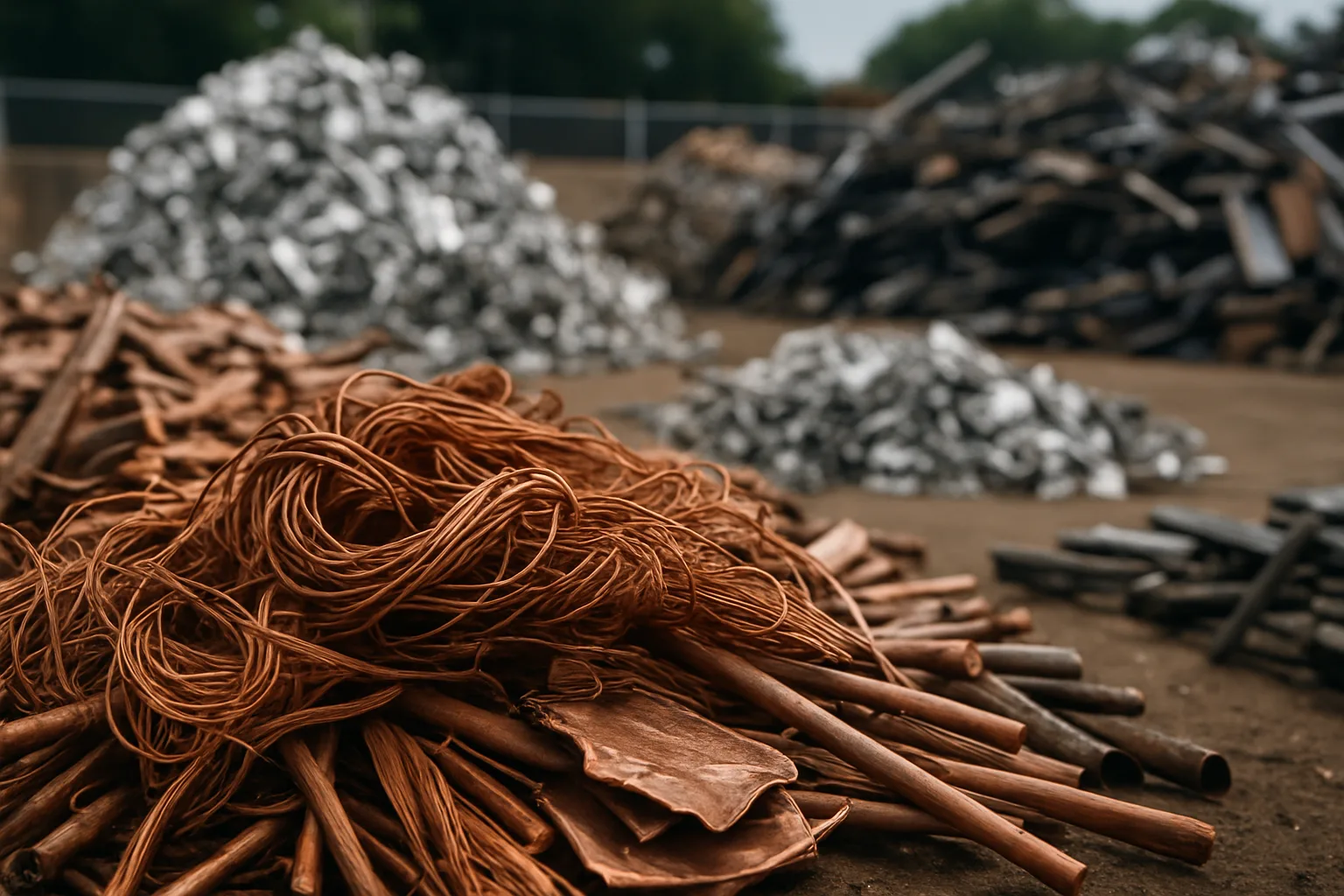
Why Copper Scrap Prices in Kansas City Matter More Than You Think
Most sellers leave money on the table before they even pull out of the driveway. They call one buyer, take the first number they hear, and drive home thinking they got a fair deal. In a market where copper scrap prices in Kansas City can swing significantly week to week — sometimes day to day — that single-call approach is costing you real dollars.
Copper isn't a commodity you can afford to eyeball. It's one of the most actively traded non-ferrous metals in North America, and its price responds to global demand, energy markets, and manufacturing output. What a buyer quoted you last month may have no relationship to what the market is doing today. If you're sitting on a load of bare bright, #1 copper, or even a pile of mixed non-ferrous, knowing the current number isn't optional — it's the baseline for every conversation you're about to have.
This guide breaks down how to find the best buyer for your scrap in Kansas City, what to know before you show up, and how platforms like smashscrap.com are changing the way sellers approach the market.
Understanding Copper and Scrap Metal Prices in Kansas City Right Now
Kansas City sits at a logistics crossroads. Its position in the middle of the country means scrap flows in from surrounding states, and buyers here are competing for volume. That competition is good news for sellers — but only if you know how to use it. Scrap metal prices in Kansas City track closely with national commodity benchmarks, but local supply and demand, yard capacity, and buyer appetite all push prices up or down at any given moment.
Here's what's driving copper scrap prices in mid-2026:
- Global copper demand — driven by EV production, grid infrastructure buildout, and industrial manufacturing — remains elevated.
- Tariff and trade dynamics continue to create short-term price volatility across ferrous and non-ferrous categories.
- Local yard inventory levels affect what buyers are willing to pay on a given day. A yard sitting on a full load of copper may offer less than one that needs to fill a truck.
- Scrap grade matters enormously. Bare bright copper trades at a premium. #2 copper with insulation attached trades significantly lower. Knowing your grade before you call is non-negotiable.
Before you load anything, check today's scrap metal prices so you walk into every conversation with a real number in your head — not a guess.
How to Grade Your Copper Before You Sell
Grading mistakes are where sellers lose the most money, and buyers rarely correct you in your favor. If you call a yard with "copper wire" and they quote you #2 pricing but you're actually holding bare bright, that's a meaningful price difference per pound. Understanding the basics before you show up changes the dynamic entirely.
Here's a quick breakdown of the most common copper grades:
- Bare Bright Copper (#00): Clean, uncoated, unalloyed wire or cable, 16 gauge or larger. No insulation, no solder, no paint. This is the top grade.
- #1 Copper: Clean copper pipe, bus bar, clippings. May have minor tarnish but no paint, coating, or solder. No fittings.
- #2 Copper: Copper with some oxidation, solder, paint, or fittings. Includes roofing copper and plumbing pipe with minor contamination.
- Insulated Copper Wire (ICW): Priced based on copper recovery percentage. Romex, THHN, and communication wire all have different recovery rates and price accordingly.
- Copper Radiators / Brass: Mixed copper-brass items. Priced differently from clean copper.
Documenting your material before you arrive — weight estimates, grades, photos — puts you in a stronger position to negotiate. Proper scrap metal inventory management isn't just for large yards. Even individual sellers benefit from tracking what they have before they walk in the door.
Finding the Best Scrap Buyer in Kansas City: The Old Way vs. the Smart Way
The old way of selling scrap in Missouri looks like this: you call the yard you've always used, they give you a number, you load the truck and go. No comparison. No competition. No visibility into whether that number is fair. If your buyer is having a slow day or sitting on too much inventory, you absorb that cost. You just don't know it.
The smart way introduces competition. Multiple vetted buyers. Transparent pricing. A documented load that buyers can actually evaluate before they bid. That's the model that SMASH (Scrap Metal Auction Sales Hub) is built on. Instead of one phone call to one buyer, your load goes to market — and buyers compete for it.
Here's why that matters for copper scrap price today and every load after:
- More buyers means better price discovery. One quote is a number. Multiple quotes reveal the actual market.
- Vetted buyers mean cleaner transactions. No chasing payments or dealing with buyers who don't follow through.
- Documented inventory gives buyers more confidence — which means they bid more aggressively.
- No subscription fees. SMASH only wins when the seller wins. That alignment matters.
If you're selling Kansas City scrap metal services are available to help you navigate the local market — whether you're a one-time seller or moving consistent loads every month.
What to Bring When You Sell Scrap Metal in Kansas City
Showing up unprepared costs you time and sometimes money. Yards have different requirements, but being ready with the right documentation speeds up every transaction and signals that you're a serious seller. In Missouri, regulations around scrap metal sales — particularly for copper and other non-ferrous metals — require sellers to provide identification and, in many cases, additional documentation for certain material types.
Here's what you should typically have ready:
- Valid government-issued ID — required by law in Missouri for most non-ferrous transactions.
- Vehicle information — license plate and vehicle registration may be recorded.
- Material documentation — especially for larger loads. Photos, weight estimates, source of material where applicable.
- Bill of Lading (BOL) or packing list — if you're moving a commercial load.
- Previous scale tickets — useful for establishing weight history on recurring material types.
Platforms like SMASH take this further with built-in photo documentation, serial tracking for cores and catalytic converters, and auto-invoicing that removes the paperwork headache from both sides of the transaction. That level of documentation protects sellers and buyers equally — and it speeds up payment.
Aluminum, Steel, and Other Metals: Don't Overlook the Rest of Your Load
Copper gets the headlines, but Kansas City sellers often have mixed loads that include aluminum, steel, stainless, and other metals. Treating your load as a single commodity and letting a buyer sort it out is a common mistake. Separating your materials before you sell — even roughly — typically results in a better return across the board.
Here's a general hierarchy of what's worth separating:
- Non-ferrous first: Copper, aluminum, brass, and stainless steel all trade significantly above ferrous scrap. Keep them separate from steel and iron.
- Aluminum grades: Clean cast aluminum, extrusion, and clip all trade differently. Mixed aluminum trades at a discount to sorted material.
- Steel scrap price varies based on cleanliness and form — shredder feed, heavy melt, and busheling all have different values.
- Catalytic converters: Never throw cats in with your mixed load. They contain platinum group metals and should be inventoried separately with VIN lookups and serial tracking when possible.
Want to stay current on aluminum scrap price and steel scrap price movements alongside copper? Read the latest scrap metal market updates before your next trip to the yard.
Getting Paid Fairly: What Transparency Actually Looks Like
The scrap industry has a trust problem. Sellers worry about scale accuracy. Buyers worry about contaminated loads. Both sides second-guess each other. That friction is expensive — it slows deals, reduces offers, and poisons long-term relationships.
Transparency is the fix. When a seller shows up with documented grades, accurate weight estimates, and photo evidence of material condition, buyers respond with more confident — and typically higher — offers. It's not complicated. Documented inventory gives buyers more confidence, full stop.
SMASH builds that transparency into the process from the start. Sellers document their loads. Buyers review that documentation before bidding. The auction format means the price reflects actual market demand — not a buyer's best guess at what you'll accept. For sellers in Kansas City who move regular volume, that shift in dynamic is worth paying attention to.
The scrap market moves fast. Whether you're sitting on a load of bare bright copper or a pile of mixed non-ferrous that's been building in the yard, the best time to find current scrap metal prices near you is before you make a single call. Knowing the number puts you in the driver's seat — not the buyer.
Start there. Document your load. Get competitive bids. And stop leaving money on the table one phone call at a time.
Frequently Asked Questions
Q: What is the current copper scrap price in Kansas City?
Copper scrap prices in Kansas City fluctuate daily based on commodity markets, local supply, and buyer demand. Grades like bare bright and #1 copper trade at a premium over #2 or insulated wire. Always check current rates before selling — prices can shift meaningfully from week to week. Disclaimer: Prices listed on third-party resources are reference points only. Confirm current rates directly with buyers or through a verified pricing platform.
Q: How do I find the best scrap metal buyer in Kansas City?
The best buyer isn't always the closest one. Get multiple quotes, document your material by grade, and use platforms like SMASH that connect you with vetted buyers competing for your load. Competition reveals the real market price — a single call does not.
Q: Do I need ID to sell scrap metal in Missouri?
Yes. Missouri law requires sellers of non-ferrous metals — including copper, aluminum, and brass — to provide valid government-issued identification at the point of sale. Some yards also record vehicle information. Have your ID and registration ready before you arrive.
Q: What's the difference between #1 and #2 copper scrap?
#1 copper is clean, uncoated pipe or solid copper with no fittings, solder, or paint. #2 copper includes material with minor contamination — oxidation, solder joints, paint, or fittings. The price difference between the two grades can be meaningful per pound, so sorting before you sell matters.
Q: Is it worth separating my scrap before selling?
Almost always yes. Non-ferrous metals — copper, aluminum, brass, stainless — trade at significantly higher rates than steel and iron. Mixing clean copper with other material results in a blended, discounted offer. Ten minutes of sorting at home often pays better than a buyer doing it for you.
Stay ahead of the market — follow SMASH on LinkedIn for scrap metal market insights, pricing updates, and industry news delivered straight to your feed.