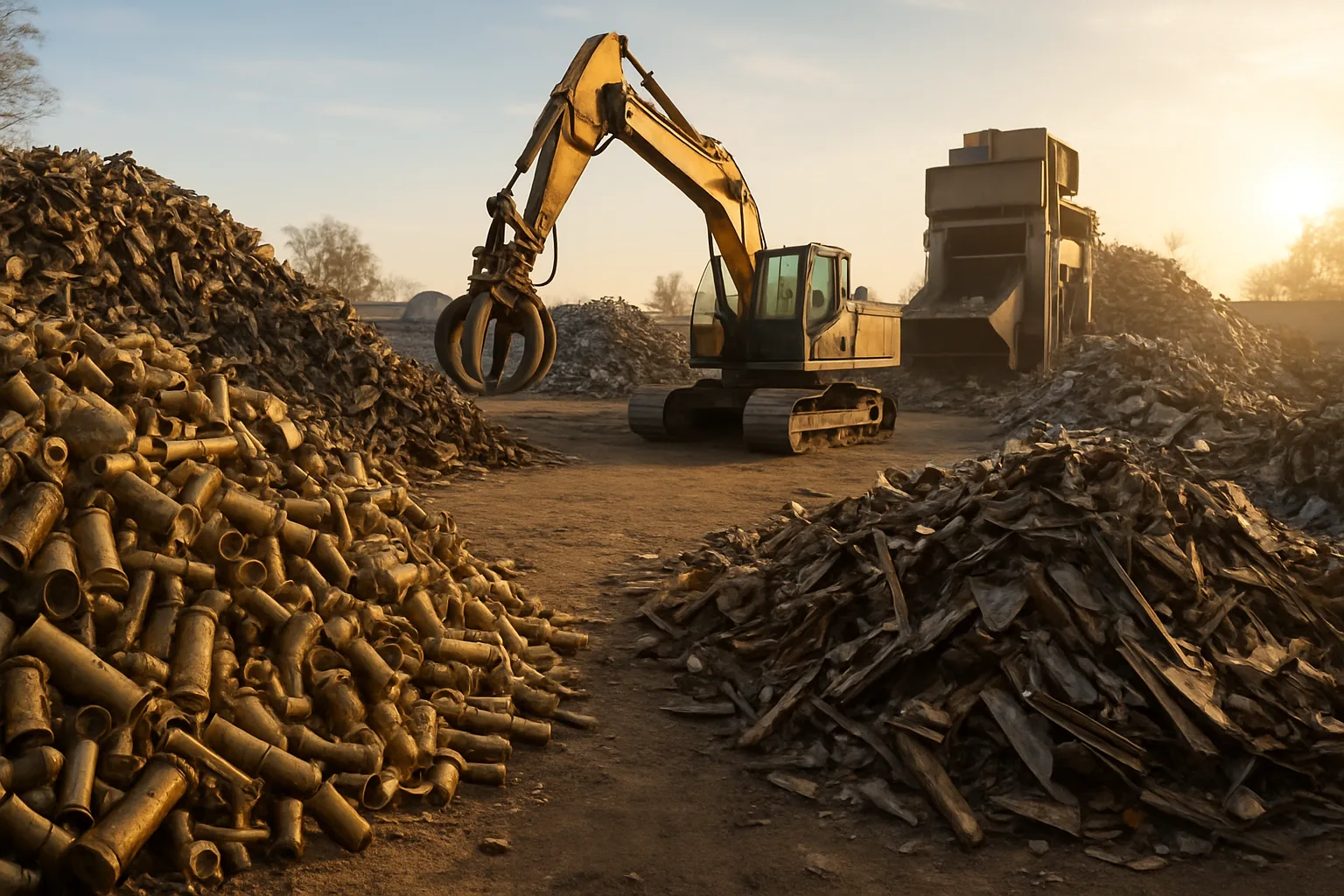
Most people overlook brass and bronze entirely — they're chasing copper or aluminum and walking right past some of the most valuable non-ferrous metal sitting in plain sight. If you're hauling scrap in Spokane or anywhere across Washington state, learning to identify brass and bronze could meaningfully change what you walk away with at the scale.
This guide breaks down what brass and bronze actually are, where to find them, what they're worth compared to other metals like aluminum scrap price today, and how to get the best scrap metal prices Spokane yards are offering right now.
What Are Brass and Bronze — and Why Does It Matter?
Brass and bronze are both copper alloys, but they're not the same thing. Knowing the difference matters because yards price them differently — sometimes significantly.
Brass is an alloy of copper and zinc. It's bright yellow-gold in color, relatively easy to machine, and resists corrosion well. You'll find it in plumbing fixtures, valves, fittings, locks, and musical instruments. Bronze is copper alloyed primarily with tin, though modern bronze can include aluminum, silicon, or manganese. It's darker and redder than brass, harder, and historically used in bearings, bushings, marine hardware, and sculptures.
Both metals sit well above steel and aluminum in terms of scrap value per pound. While aluminum scrap price today typically lands in the range of fractions of a dollar per pound depending on grade, brass and bronze regularly trade at several times that rate. That gap matters when you're sorting loads.
- Brass: Yellow to gold color, lighter feel, common in plumbing and fixtures
- Bronze: Reddish-brown, denser, often found in industrial bushings and bearings
- Both: Non-magnetic, heavier than aluminum, command premium scrap prices
A quick test: hold a magnet to it. Neither brass nor bronze will stick. If it sticks, it's steel with a plating — worth far less.
Where to Find Brass and Bronze Scrap
You won't find brass and bronze in obvious places the way you find steel beams or aluminum sheet. These metals hide in plain sight — embedded in equipment, threaded into pipes, or sitting in old fixtures nobody's looked at in decades. Once you know where to look, you'll start seeing them everywhere.
Plumbing and HVAC Demolition
Old residential and commercial plumbing is one of the richest sources of brass scrap. Gate valves, ball valves, pressure regulators, compression fittings — all brass. A single bathroom renovation can yield several pounds of solid brass fittings if the pipes are old enough. Washington state has significant housing stock from the mid-20th century, and Spokane's older neighborhoods like Browne's Addition or the South Hill are filled with homes that still have original brass plumbing fixtures.
HVAC equipment also yields brass: service valves on refrigeration units, expansion valves, and various brass manifolds. If you're working with contractors or doing demo work yourself, don't let these pieces go to the general metal pile.
Industrial and Manufacturing Surplus
Brass and bronze are workhorses in industrial settings. Bronze bushings and sleeve bearings absorb friction in rotating equipment — lathes, conveyor systems, pumps. When machinery gets scrapped, those bearings often get tossed with everything else. Separate them. A bucket of bronze bushings is worth considerably more than the same weight in steel.
Brass rod and bar stock shows up in machine shop offcuts. Manufacturers who work with precision components often generate brass turnings and shavings — these are a lower grade but still worth collecting. Check with local machine shops about their scrap disposal. Some pay you nothing; others will let you haul it for free rather than deal with it themselves.
Electrical and Electronics Scrap
Electrical terminals, connectors, and ground straps are frequently brass. Old electrical panels, switchgear, and industrial control cabinets can contain substantial amounts. Strip out the brass components before selling the steel enclosure separately — it's worth the extra twenty minutes.
Ammunition brass is another consistent source. Spent shell casings are almost always brass. Shooting ranges and gun clubs generate significant volumes. Some ranges sell their spent brass; others are willing to work out an arrangement if you handle the cleanup.
Marine and Antique Hardware
Boat hardware — cleats, thru-hulls, seacocks, propellers — is frequently bronze. Naval brass (a copper-zinc-tin alloy) is used specifically for marine applications. If you're near water or working with boat salvage, this hardware is worth pulling carefully rather than scrapping with the hull.
Antiques and architectural salvage also yield brass: door hardware, light fixtures, decorative railings, fireplace accessories. Some of this material has enough visual appeal to sell through architectural salvage channels at prices well above scrap — worth checking before you melt it down.
What Is Brass and Bronze Worth? Understanding Scrap Metal Prices Today
Brass and bronze prices fluctuate with copper markets. Since both alloys are copper-heavy, the London Metal Exchange (LME) copper price is the main driver. When copper prices climb, brass and bronze scrap prices follow. When copper drops, so do your per-pound returns.
Yards typically price brass by grade:
- Yellow brass (clean): Highest grade — no attachments, no steel, no plastic. Plumbing fittings with brass nuts removed fall here.
- Red brass: Higher copper content than yellow brass, commands a premium. Old water meters and certain valves qualify.
- Brass radiators: Whole radiators with steel tanks attached — lower price because of the mixed content.
- Brass turnings: Machine shop chips and shavings — priced lower due to oil contamination and surface area.
- Bronze: Solid bronze bushings and castings often price similarly to or slightly above yellow brass, depending on the yard and current copper pricing.
The gap between clean brass and contaminated or mixed brass can be significant — sometimes 20-30% per pound. Sorting pays. It takes time, but the math works out when you're moving any real volume.
For context, brass and bronze consistently outperform aluminum scrap price today on a per-pound basis. If you're trying to get the best scrap metal prices Washington yards are posting, mixing these metals together or letting brass go unidentified into a general non-ferrous pile leaves money on the table.
Always check today's scrap metal prices before you load a truck. Prices shift week to week — sometimes day to day — based on LME movements, regional demand, and export activity. What a yard paid last month may not be what they're paying today.
How to Get the Best Scrap Metal Prices in Spokane for Brass and Bronze
Getting the best price isn't just about showing up with clean material — though that helps significantly. It's also about how you sell.
The traditional approach is to call one yard, get a quote, and take it. That works, but it's not price discovery — it's just accepting whatever the first buyer offers. If you're moving meaningful volume of brass or bronze, you deserve to know what the market is actually paying.
Platforms like North America's B2B scrap metal auction platform SMASH exist precisely for this reason. Instead of calling one buyer and hoping their number is fair, you put your load in front of multiple vetted buyers simultaneously. Competition does what it's supposed to do — it reveals the real market price. More buyers bidding means better price discovery for the seller.
For yards and volume sellers in the Spokane area, this approach is especially useful for high-value loads of brass and bronze. These metals are worth enough per pound that even a small price improvement per pound adds up fast across a full load.
A few practical tips for maximizing your return on brass and bronze:
- Sort aggressively. Separate red brass from yellow brass. Pull steel attachments. Remove rubber gaskets and plastic inserts. Clean material gets top dollar.
- Weigh before you go. Know roughly what you're bringing. Surprises at the scale don't help negotiation.
- Document your load. Photos of sorted material, especially for large loads, give buyers confidence. Documented inventory — including photos — reduces back-and-forth and supports better pricing.
- Time your sales. Brass and bronze prices move with copper. Selling into a rising copper market pays better than selling into a declining one. Read the latest scrap metal market updates to stay ahead of price movements.
- Know your grades. Misidentifying red brass as yellow brass (or vice versa) can cost you money. Learn the visual differences or ask the yard to show you their grading.
If you're based in Spokane and working with Spokane scrap metal services, bring sorted loads whenever possible. Yards move faster with clean, separated material — and that often translates to better pricing.
Brass and Bronze vs. Other Scrap Metals: Setting Expectations
Understanding where brass and bronze sit in the value hierarchy helps you prioritize your time. Not all scrap is created equal, and knowing what to chase matters.
Copper remains king in non-ferrous scrap. Clean copper wire and copper pipe consistently command the highest per-pound prices. Brass and bronze sit below copper but well above aluminum. Steel and iron sit at the bottom of the per-pound scale — valuable in volume, not in margin.
Here's a rough value hierarchy to frame your expectations:
- Clean copper wire and pipe — highest value
- Red brass and clean yellow brass — strong value
- Bronze castings and bushings — strong value, near brass
- Brass radiators and mixed brass — mid-tier
- Aluminum (various grades) — aluminum scrap price today varies by grade; less per pound than brass
- Steel and iron — lowest per pound, high volume needed to matter
This is why sorting isn't optional if you're serious about returns. Every pound of brass that goes into a steel bin is money you don't recover. Find current scrap metal prices near you to see exactly what these spreads look like at live market rates.
Whether you're cleaning out an old building in Spokane, processing a machine shop's surplus, or sorting through a lifetime of accumulated hardware, brass and bronze are worth your time. Know what you have, sort it well, and make sure you're selling into competition — not just to the first buyer who answers the phone. SMASH puts that competitive pressure to work for serious sellers across Washington and the rest of North America.
Frequently Asked Questions
Q: How do I tell brass from bronze when I'm sorting scrap?
Brass is typically bright yellow-gold in color and feels lighter for its size. Bronze is darker, reddish-brown, and denser. Both are non-magnetic. When in doubt, ask your scrap yard to help you identify it — most will explain their grading on the spot.
Q: Is brass worth more than aluminum scrap price today?
Yes, consistently. Brass and bronze are copper alloys and price significantly higher per pound than aluminum in nearly all market conditions. Aluminum scrap price today will vary by grade, but brass typically pays several times more per pound. Always verify current rates before selling.
Q: Where can I find the best scrap metal prices in Spokane for brass and bronze?
Start by checking current posted rates at multiple yards and using platforms like SMASH that connect sellers to vetted buyers across the region. Getting the best scrap metal prices Spokane yards offer means putting your load in front of more than one buyer. Competition reveals the real market price.
Q: Do I need to clean brass and bronze before selling it?
You don't have to, but it pays to. Yards price clean, sorted material at the top grade. Brass with steel attachments, rubber gaskets, or plastic inserts gets downgraded. Pulling those pieces before you show up can meaningfully improve what you're paid per pound.
Q: How often do brass and bronze scrap prices change?
Prices can shift daily based on LME copper movements, export demand, and regional market conditions. Check rates before every trip — what a yard paid last week may not reflect today's market. Use scrap-metal-prices.com to stay current on brass, bronze, and all non-ferrous metals.
Disclaimer: Scrap metal prices fluctuate based on market conditions, metal grade, and regional demand. Always verify current rates directly with your local yard or check today's scrap metal prices before selling.
Stay connected with SMASH for scrap market insights, pricing trends, and industry updates — follow SMASH on LinkedIn to keep your finger on the pulse of the North American scrap metal market.