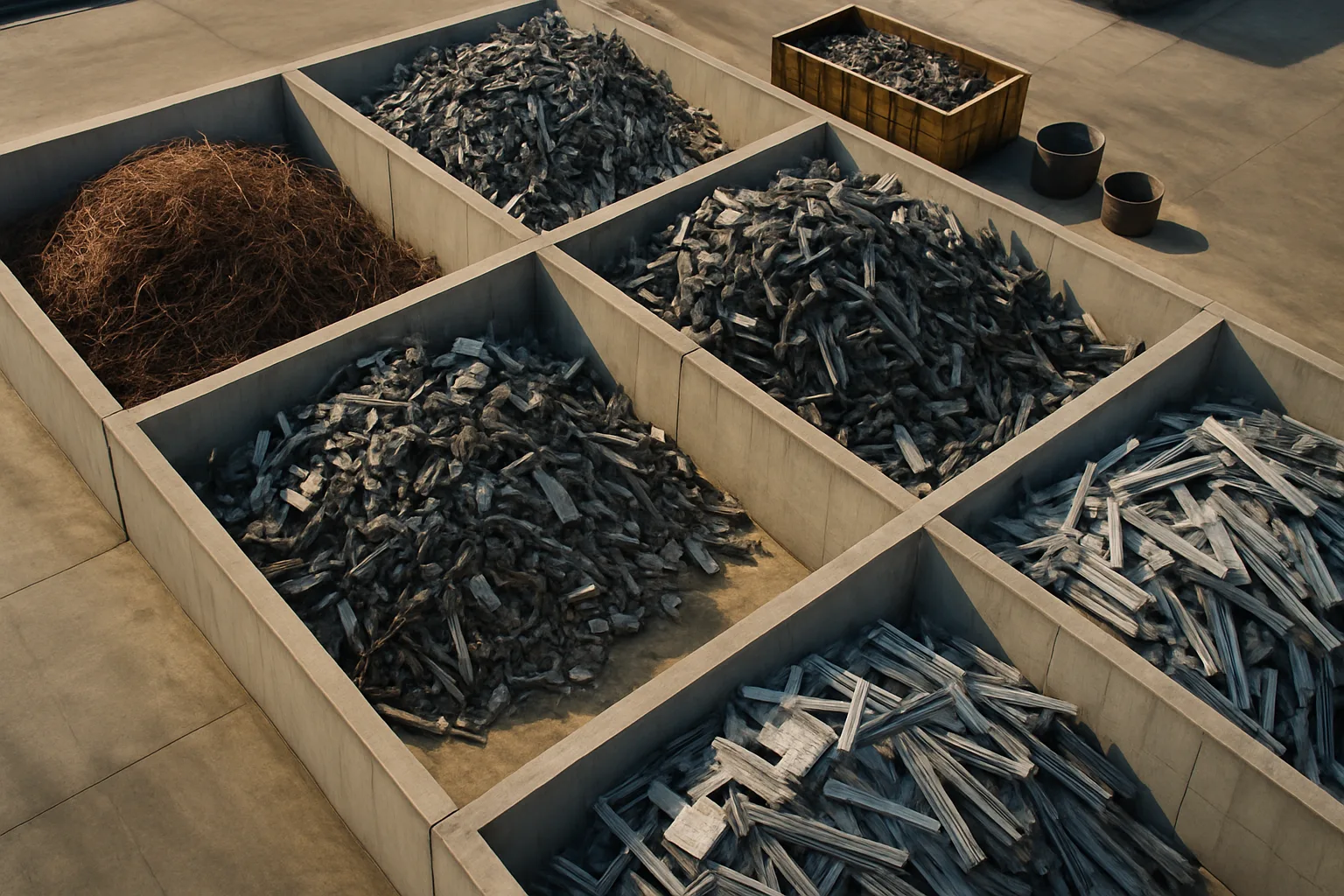
Baltimore's Construction Boom Is Leaving Money on the Ground
Every demolition site in Baltimore has something in common with a scrap yard: metal, everywhere. Steel beams. Copper pipe. Aluminum duct work. Electrical wire. Most contractors know it's worth something — but very few know exactly how much, or how to capture that value before it walks off in someone else's truck. If you're working a construction or demolition site in Maryland and you're not tracking your scrap, you're leaving real money behind.
This guide breaks down where the metal comes from, what it's worth, and how to actually get the best scrap metal prices Baltimore has to offer — instead of guessing and hoping your single buyer is being straight with you.
Where Construction and Demolition Sites Generate Scrap Metal
C&D sites are some of the richest sources of recyclable metal in any city. Baltimore has no shortage of them — from harbor-adjacent redevelopment projects to older row house teardowns across the inner neighborhoods. Each project type produces a different mix of metals, and knowing what you've got is step one.
Here's what typically comes off a demolition job:
- Structural steel — beams, columns, decking, and rebar from concrete-reinforced slabs. Heavy tonnage, moderate value per pound, but volume adds up fast.
- Copper pipe and wiring — the most valuable metal on most residential demolition sites. Copper scrap price is sensitive to global markets and can swing significantly week to week.
- Aluminum — window frames, curtain wall panels, HVAC duct work, and roofing trim. Aluminum scrap price tends to be more stable than copper but still worth tracking.
- Cast iron and steel pipe — older Baltimore buildings often have cast iron plumbing throughout. Heavy and lower value per pound, but it adds up in volume.
- HVAC equipment — air handlers, condensers, and coils contain copper, aluminum, and steel all in one unit.
- Electrical panels and bus bars — high copper content, worth separating from mixed loads.
- Miscellaneous ferrous — brackets, hangers, access panels, steel doors, and frames.
New construction generates scrap differently. You're looking at offcuts — steel stud trim waste, copper pipe ends, aluminum extrusion drops, and wire pulled out of conduit. Less volume per load than demolition, but it accumulates quickly on a large commercial build. The key is catching it before it gets mixed into general construction debris.
Why Separation at the Source Changes Your Scrap Metal Prices
Mixed loads pay less. That's not a negotiation tactic — it's economics. When a buyer can't easily identify what's in a load, they price for the worst-case metal in it. You get paid for the lowest-value material, even if your load is 60% copper.
Separating metals at the site — or at minimum before delivery to a yard — directly affects what you sell scrap metal price you receive. On a large commercial demo in Baltimore, the difference between a sorted load and an unsorted load can represent thousands of dollars on a single haul.
Practical separation on site:
- Set up labeled bins or roll-offs by metal type — ferrous (steel/iron) in one, non-ferrous (copper, aluminum, brass) in another. Even a rough sort beats mixed.
- Strip wire before loading — insulated copper pays less than bare bright or #1 copper. A simple wire stripper on site recovers significant value.
- Keep HVAC units intact until you know your buyer — some buyers pay more for whole units; others want them broken down. Know before you cut.
- Document weights at each pickup — don't rely on the buyer's ticket alone. Your own weight records give you leverage and audit trails.
This is exactly where scrap metal inventory management tools matter. Platforms like North America's B2B scrap metal auction platform SMASH let you document loads with photos, weights, and material grades before they ever leave your site. That documentation doesn't just help you stay organized — it gives buyers confidence, and confident buyers bid more aggressively.
Understanding Scrap Metal Prices Today for C&D Materials
Scrap metal prices today are driven by global commodity markets — LME copper, CME steel futures, and aluminum spot prices all influence what your local Baltimore yard will offer. In mid-2026, ferrous markets have been navigating a mixed signals environment, with infrastructure spending supporting steel demand while import pressures keep yard offers competitive. Non-ferrous metals, particularly copper, remain sensitive to energy sector demand and global supply chain dynamics.
Here's a general framework for how C&D metals rank by value (per pound, in descending order):
- Bare bright copper wire — top tier
- #1 copper pipe and tubing
- #2 copper (painted, soldered, or mixed)
- Aluminum extrusions and sheet
- Brass fittings and valves
- Steel and iron (structural, rebar, plate)
- Cast iron
- Mixed C&D metals (lowest return)
These rankings hold generally, but the actual scrap metal prices today in Baltimore will reflect your local market, current grade, and buyer competition. The only way to know if you're getting market rate is to put your load in front of more than one buyer. That's not optional — it's the difference between a fair price and a discounted one.
To check today's scrap metal prices before your next pickup, get a baseline so you walk in knowing your floor — not guessing it.
The Old Way of Selling C&D Scrap Is Costing You Money
Most contractors and demo crews in Maryland have a relationship with one yard. That yard gets the call, sends a truck, and makes an offer. You accept it — because what else are you going to do? You've got a project timeline, a dumpster deadline, and no time to call six buyers.
That's the single-buyer trap. And it's exactly how yards stay profitable while sellers leave money on every load.
The problem isn't the yard — it's the structure. One offer, no competition, no transparency. You don't know if the price is fair because you have no comparison. If you're running multiple jobs a year across Baltimore, even a modest improvement per load compounds into significant revenue over a project season.
This is the gap that a B2B scrap metal marketplace fills. Instead of one phone call to one buyer, you document your load, list it, and vetted buyers compete. Competition does what phone calls can't — it reveals what your load is actually worth in the current market. More buyers means better price discovery. That's not a slogan; that's how auctions work.
SMASH was built specifically for this. Vetted buyers, competitive auctions, photo documentation, auto-invoicing — all of it designed so you stop guessing and start knowing. No subscription fees. SMASH wins when you win.
You can also read the latest scrap metal market updates to stay ahead of price swings before you schedule your next load pickup.
What Baltimore Contractors and Demo Crews Should Do Differently
If you're running C&D work in Baltimore — or anywhere in Maryland — here's a practical shift that changes your scrap outcomes without adding significant overhead:
Before the job starts:
- Walk the structure and identify high-value metals before demo begins. Copper, aluminum, and HVAC units need a plan before crews start pulling.
- Set up separate collection zones on site. This doesn't need to be complicated — two roll-offs and a bin for non-ferrous is enough for most jobs.
- Assign one person to track weights and material types per load. A simple log works. A digital tool works better.
During the job:
- Strip wire on site where possible. It's worth the labor on any significant copper volume.
- Keep non-ferrous metals separated from steel and iron throughout the project — don't let site chaos undo your sort plan.
- Photograph loads before pickup. This matters when you're selling to multiple buyers or documenting for clients.
When it's time to sell:
- Don't call one yard. Put your load in front of multiple buyers.
- Know your material grades before you go. A yard that thinks you have #2 copper will offer less than one that sees documented #1.
- Use a platform that creates a paper trail — BOLs, invoices, packing lists. That documentation protects you and builds your credibility with buyers over time.
For Baltimore-specific yard options, local regulations, and pickup logistics, Baltimore scrap metal services can point you toward resources that match your project type and material mix. And for current pricing benchmarks before you negotiate, find current scrap metal prices near you so you go into every conversation with data, not guesswork.
Frequently Asked Questions
Q: What scrap metals are most common on Baltimore demolition sites?
Structural steel and rebar are the highest-volume materials on most jobs. Copper pipe and electrical wire deliver the most value per pound. Older Baltimore row houses and commercial buildings often contain cast iron plumbing, aluminum window systems, and HVAC equipment with mixed metal content — all worth recovering before debris goes to landfill.
Q: How do I get the best scrap metal prices in Baltimore for construction debris?
Separate your metals at the source, document grades and weights before pickup, and sell to multiple buyers rather than defaulting to a single yard. Competition between buyers is the most reliable driver of better prices. Platforms like SMASH connect you with vetted buyers who bid against each other rather than against your lack of alternatives.
Q: Does copper scrap price change often — and how do I know what rate I should be getting?
Copper scrap price moves with global commodity markets and can shift meaningfully within a single week. Always check a current pricing reference before you deliver a load. Knowing the going rate for bare bright versus #1 or #2 copper helps you negotiate from a position of knowledge rather than accepting the first number you hear.
Q: Is there a minimum load size to sell scrap from a construction site?
It depends on the buyer and the metal type. Most yards will accept small loads of high-value non-ferrous like copper or aluminum. For ferrous metals like steel and rebar, larger volumes (full truck loads) typically get better attention and more competitive pricing. If you're aggregating across multiple jobs, holding material until you have a meaningful volume often pays off.
Q: What is a B2B scrap metal marketplace and is it right for construction scrap?
A B2B scrap metal marketplace connects sellers with multiple vetted buyers through a structured process — documentation, competitive bidding, and transparent pricing — rather than a single phone call to a single yard. It's well-suited to contractors and demo crews who generate consistent volume and want to stop accepting whatever one buyer offers. SMASH operates exactly this way, with no subscription fees and a process built around load documentation and buyer competition.
Scrap metal prices fluctuate with commodity markets. Always verify current rates before selling — what a load is worth today may be different next week. For up-to-date copper scrap price, aluminum scrap price, and steel scrap price benchmarks in your area, check today's scrap metal prices and get current rates at scrap-metal-prices.com.
Stay ahead of the market — follow SMASH on LinkedIn for ongoing scrap metal market insights, price trend updates, and industry news across North America.