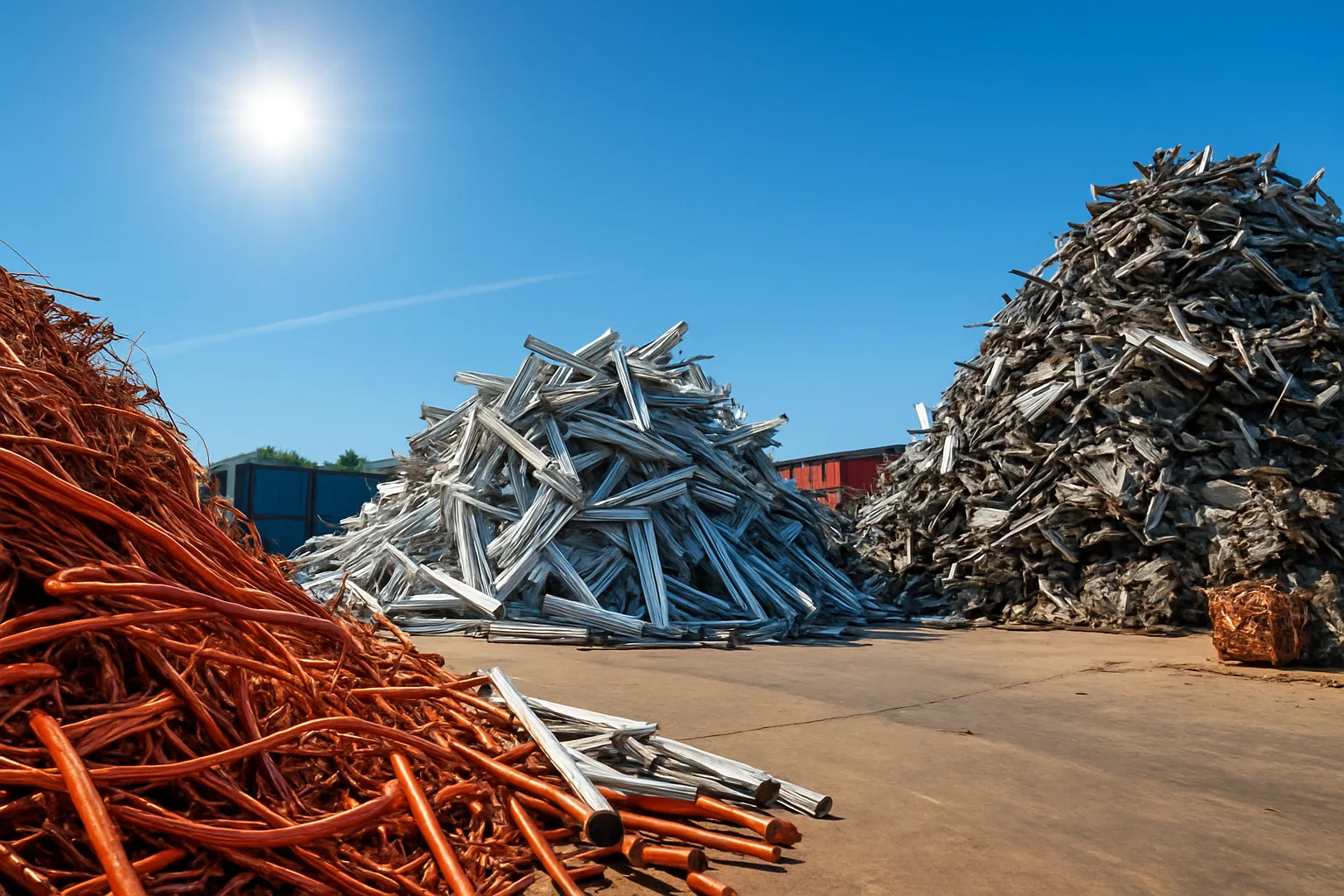
A Savannah scrapyard operator was leaving real money on the table — not because the copper was bad, but because no one told him the grade mattered this much. He was hauling in loads of mixed copper wire, bare bright, and pipe elbows, then accepting a single blended price from one buyer. Sound familiar? That one phone call was costing him hundreds per load. Here's what changed — and what it means for anyone doing scrap metal recycling in Savannah right now.
Copper is the most price-sensitive metal most recyclers handle. A few cents per pound difference across grades adds up fast when you're moving volume. If you don't know how buyers grade your copper before it hits the scale, you're negotiating blind. This guide breaks down copper scrap grades, what drives price trends in 2026, and how competition — not a single phone call — is the smarter way to sell.
Before we get into grades, check today's scrap metal prices so you have a live baseline while you read.
Why Copper Scrap Prices Are So Volatile in 2026
Copper doesn't sit still. It tracks global demand for electrical infrastructure, EV manufacturing, construction, and industrial output. In 2026, ongoing grid modernization projects across the U.S. Southeast — including Georgia — are keeping demand steady and keeping buyers competitive. That's good news if you know how to work it.
The story that defined copper markets heading into late 2026 is a familiar one: supply tightness overseas meeting rising domestic consumption. Recycled copper fills a critical gap in that supply chain. Mills and refiners need it. That demand is what creates leverage for sellers — but only if sellers understand how their material grades out.
A few factors that push copper scrap prices up or down on any given week:
- COMEX futures movement — the benchmark most buyers use to price physical scrap
- Mill and refinery demand — when downstream buyers are running hot, scrap premiums tighten
- Contamination levels — insulation, solder, paint, and oil all pull your price down
- Regional buyer competition — the more vetted buyers competing for your load, the better your price discovery
- Volume and consistency — regular sellers with documented loads get better treatment
For yards in Savannah, the port proximity adds a layer of advantage. Coastal logistics make outbound shipment of non-ferrous material more viable, which means your buyer pool can include traders looking at export markets — not just regional mills.
The Copper Scrap Grading Guide Every Seller Needs
Buyers don't buy "copper." They buy specific grades. Showing up with an unsorted load and accepting a blended rate is how you consistently underget paid. Know your grades before the truck leaves the yard.
Bare Bright Copper (Grade #1 Wire)
This is the top tier. Bare bright is uncoated, unalloyed, unsoldered copper wire or cable — typically 16 gauge or larger, with no insulation. Think clean electrical wire stripped to bare metal. It commands the highest price per pound and is the benchmark grade most buyers quote when they give you a copper price over the phone. If your wire has any coating, it's not bare bright. Don't let a buyer downgrade bare bright to #1 because of minor surface oxidation — that's a negotiation tactic, not a grading standard.
Copper #1 (Bare Copper)
Clean, unalloyed, uncoated copper with no solder. Includes pipe, bus bars, clippings, and commutator segments. No paint, no insulation, minimal oxidation. The price gap between #1 and bare bright is usually noticeable — typically a few cents per pound — but it depends on the buyer and the day. Sort your pipe elbows and clean copper separately from anything that's been soldered or coated.
Copper #2
This is where most mixed loads land. Copper #2 covers miscellaneous unalloyed copper that may have solder, paint, small amounts of insulation, or light corrosion. It includes pipe with fittings attached, copper with burnt insulation, and wire with trace coatings. The price discount versus #1 reflects the additional processing the buyer must do. Know this: if you sort aggressively and pull your clean material out of a #2 load, you can move those pieces up a grade and get paid accordingly.
Insulated Copper Wire (ICW)
Priced based on the estimated copper recovery percentage after stripping. A load with 85% copper recovery (thick insulation, large wire) pays much differently than a load at 30-40% recovery (thin telecom wire, heavily jacketed cable). Buyers calculate this with recovery tables. If you're stripping wire yourself, confirm it qualifies for bare bright or #1 before sorting it that way. Partial strips still land in #2 or lower.
Copper Turnings and Solids
Machined copper turnings, punchings, and bus bar offcuts are priced individually based on cleanliness and alloy content. Mixed with steel or aluminum turnings? You're in for a heavy discount. Keep non-ferrous turnings sorted by metal type — it's one of the easiest ways to protect margin on industrial scrap.
To find current scrap metal prices near you for each of these grades, run a search before you book your pickup or negotiate your ticket.
How a Savannah Yard Used Competition to Stop Guessing on Copper
This is the case study part. A mid-size Savannah recycling operation — three bays, steady commercial and demolition intake — was selling copper exclusively to one regional buyer. One call, one price, done. The operator assumed that relationship meant he was getting treated right. He wasn't checking the market. He wasn't grading meticulously. He was just selling.
When he brought loads to the SMASH auction platform, a few things changed fast. First, he had to document his material. Photos, weights, grade descriptions — the kind of inventory detail that makes buyers confident enough to bid strong. That process alone forced him to sort more carefully and stop letting borderline #2 material slip into bare bright descriptions that buyers would later discount on arrival.
Second, multiple vetted buyers competed. Not just the regional buyer he'd always called. Buyers who could move material through Georgia's port infrastructure. Buyers with different downstream demand. That competition did exactly what competition is supposed to do — it created real price discovery instead of a single offer he had no way to evaluate.
He didn't get rich overnight. But he got data. He got comparable offers. He stopped guessing what his copper was worth. That's the shift. Sell your scrap metal on the SMASH marketplace and see what multiple buyers actually bid on your documented loads — not what one buyer decides to offer.
Best Practices for Selling Copper Scrap at Top Georgia Market Rates
Whether you're running a full recycling operation or cleaning out a commercial job site, the way you prepare copper for sale directly affects what you get paid. Here's how operators getting the best scrap metal prices in Georgia approach it:
- Sort at the source. Don't mix grades in the same bin. Label your bins: bare bright, #1, #2, ICW. It takes five minutes to set up and saves real money at the scale.
- Strip wire when it makes economic sense. Calculate your stripping time against the price gap between insulated and bare wire. For high-volume operations, a stripping machine pays for itself fast.
- Document before you sell. Photos of each grade, estimated weights, any notable contamination. Buyers pay more when they're confident in what they're buying. Surprises on arrival kill your next deal.
- Track market timing. Copper prices can swing meaningfully week to week. If you have storage capacity, watch COMEX trends and read the latest scrap metal market updates before you book a sale.
- Get multiple offers. One buyer giving you a number is not a market price. It's an offer. The only way to know if it's fair is to have something to compare it to.
- Know what's in your load. Alloyed copper — brass, bronze, copper-nickel — is a different product than pure copper. Sort it separately. Mixed loads get priced at the lowest common denominator.
For operations in Savannah specifically, document your load weights accurately. Port-area buyers who move export volumes want reliable data, and a track record of clean, accurate loads builds the kind of seller reputation that attracts stronger bids over time.
Copper Scrap Prices Today: What Drives the Numbers You See
When you look up copper scrap prices today, you're seeing a snapshot of a moving market. The number you get on Monday may be different by Thursday. Understanding what moves that number helps you make smarter decisions about when and how to sell.
In 2026, several factors are keeping copper scrap prices supported across the Southeast U.S. market:
- EV production ramp-up — electric vehicles use significantly more copper than internal combustion vehicles, and domestic production is scaling
- Grid infrastructure spending — federal and state-level investment in transmission and distribution infrastructure is sustained demand for copper
- Tight mine supply — new primary copper mine output hasn't kept pace with demand, which keeps recycled copper valuable to refiners
- Seasonal construction patterns — late summer and fall typically see strong construction activity in Georgia, which generates demo scrap and keeps local demand healthy
None of this means prices only go up. Global economic slowdowns, manufacturing pullbacks, or energy sector disruptions can soften copper demand quickly. The point isn't to predict the market — it's to understand what you're watching so you can react intelligently.
Disclaimer: Copper scrap prices fluctuate daily based on market conditions, grade, and regional buyer demand. Always check current rates before selling.
SMASH Makes Documented Copper Sales Competitive, Not a Guessing Game
The old way of selling scrap copper is a single phone call to a single buyer. You quote a grade, they quote a price, you take it or leave it — usually with nothing to compare it to. That model benefits the buyer, not you.
SMASH works differently. You document your load — grade, weight, photos, condition. Vetted buyers across the buyer network see that documentation and bid competitively. No subscription fees. SMASH only makes money when sellers do. For copper-heavy operations in Savannah and across Georgia, that structure means your documented bare bright load isn't priced by whoever picked up the phone — it's priced by what buyers in a competitive market will actually pay.
More buyers means better price discovery. That's not a promise of higher prices on every load. It's a structural advantage that works over time, across loads, and compounds as your documentation improves and your buyer relationships grow.
Ready to stop guessing what your copper is worth? Check today's scrap metal prices at scrap-metal-prices.com for a live market read, then bring your next copper load to a platform where buyers compete for it.
Frequently Asked Questions
Q: What is the best grade of copper scrap to sell for maximum price?
Bare bright copper commands the highest price per pound. It must be clean, uncoated, unsoldered wire or cable — no insulation, no paint, no alloy. Sorting your copper aggressively to pull out bare bright from mixed loads is one of the most effective ways to increase your payout without changing what you collect.
Q: Where can I sell copper scrap in Savannah, Georgia?
Savannah has local scrap yards that buy copper, but selling locally to a single buyer limits your price discovery. Platforms like SMASH connect you with multiple vetted buyers across North America, including buyers with access to Georgia's port infrastructure for export-grade loads. Document your material and let buyers compete for it.
Q: How do copper scrap prices today compare to last year?
Copper scrap prices in 2026 remain supported by strong downstream demand from EV manufacturing and grid infrastructure projects. Markets fluctuate week to week based on COMEX movement and regional buyer activity. Always check current rates before selling — prices from even a few weeks ago may not reflect today's market.
Q: Does the port in Savannah affect local copper scrap prices?
Yes. Port proximity expands your buyer pool to include traders who move material into export markets, which adds competitive pressure that can benefit sellers. Buyers with export access sometimes pay stronger on grades that overseas mills need. Documenting your loads accurately matters more when export buyers are in the mix — they need reliable data to commit to bids.
Q: What is the difference between copper #1 and copper #2 scrap?
Copper #1 is clean, unalloyed, uncoated copper with no solder — pipe, bus bars, and clean clippings. Copper #2 includes copper that has paint, solder, light insulation, or surface corrosion. The price gap between the two grades is real and consistent. Sorting carefully to pull clean #1 material out of a mixed load directly increases what you get paid.
Stay current on copper scrap price trends and market shifts — follow SMASH on LinkedIn for scrap metal market insights, pricing updates, and industry news worth actually reading.
```