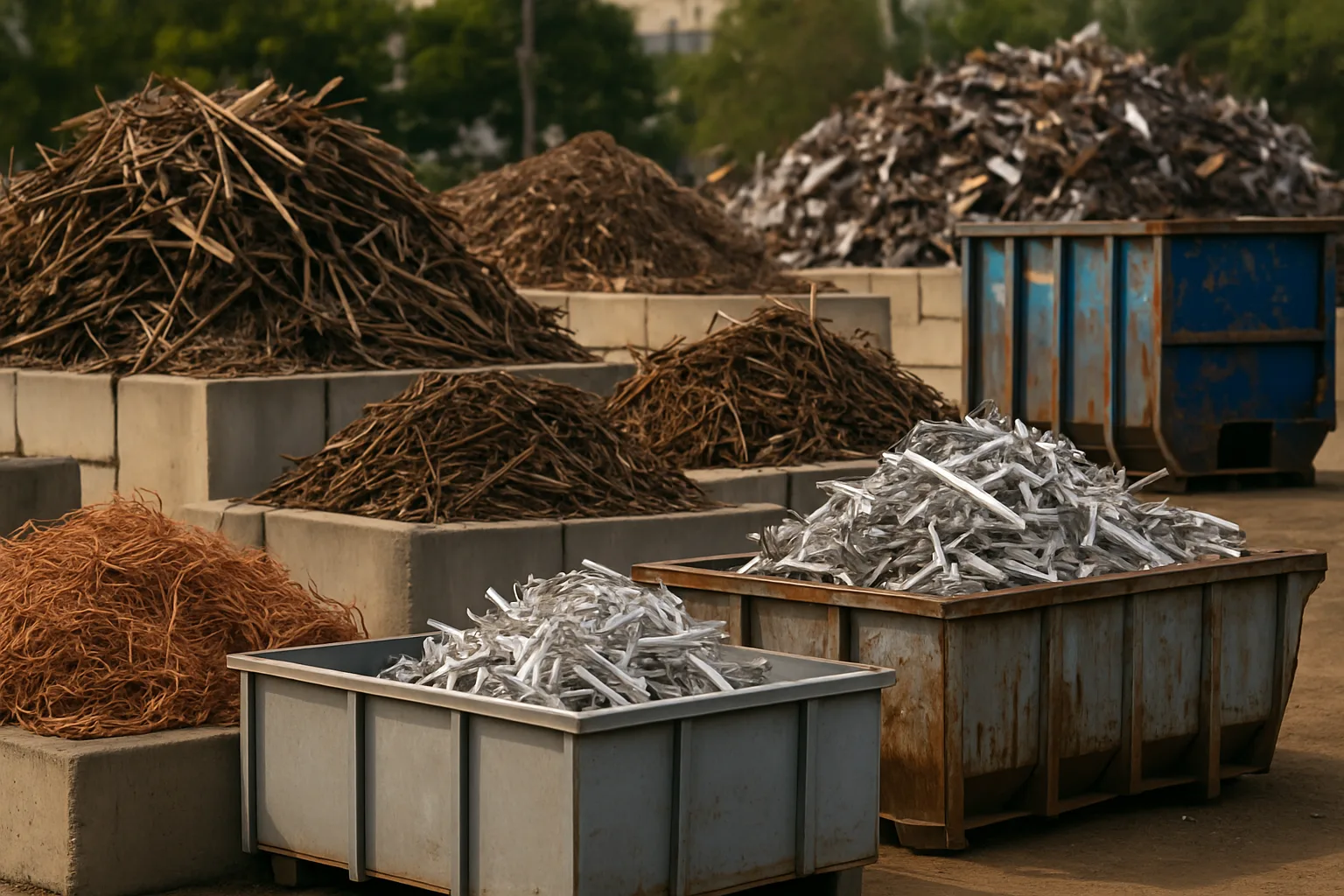
Ferrous vs. Non-Ferrous Scrap Metal: What Jersey City Sellers Need to Know About Prices in 2026
Walk into any scrap yard downtown and you'll hear the same question from first-timers: "Why does this pile pay more than that pile?" The answer almost always comes down to one thing — whether your metal is ferrous or non-ferrous. Understanding that distinction doesn't just satisfy curiosity. It directly affects how much money you walk out with. If you're tracking scrap metal prices Jersey City and trying to maximize your haul, this is the foundational knowledge you need.
This isn't a chemistry lesson. It's a practical breakdown of what each category means for your payout, how local yards price these materials, and why platforms like SMASH are changing how serious sellers get competitive rates instead of whatever a single buyer decides to offer that morning.
The Core Difference Between Ferrous and Non-Ferrous Metals
The simplest test in scrap? Grab a magnet. If it sticks, you're holding ferrous metal. If it doesn't, you've got non-ferrous. That's it. Ferrous metals contain iron — steel, cast iron, wrought iron, and stainless steel in some grades. Non-ferrous metals have no significant iron content — copper, aluminum, brass, lead, zinc, nickel, and precious metals all fall into this category.
Why does this matter for pricing? Because the two categories trade in completely different markets, with different demand drivers, different price volatility, and radically different payout rates per pound. Ferrous metals move in enormous tonnage — think whole cars, structural steel, appliances. Non-ferrous moves in smaller volumes but commands dramatically higher prices per pound. A pound of clean copper scrap is worth many times what a pound of shredded steel fetches. The gap isn't close.
- Ferrous metals: Steel, iron, cast iron, stainless (some grades)
- Non-ferrous metals: Copper, aluminum, brass, lead, zinc, nickel, titanium
- Precious/specialty: Platinum group metals (found in catalytic converters), gold, silver
For sellers in Jersey City, knowing which bucket your material falls into before you show up at the yard saves time and prevents getting low-balled on a mixed load you could have sorted at home.
Ferrous Scrap Prices Today: Steel and Iron in the New Jersey Market
Ferrous scrap is the backbone of the recycling industry by volume. Steel mills across the U.S. consume millions of tons of recycled ferrous scrap every year as a raw material for new steel production. That demand creates a relatively stable floor for pricing — but stable doesn't mean high. Ferrous prices per pound are measured in fractions of cents in many cases, which is why yards price it by the gross ton.
In 2026, ferrous scrap markets continue to track closely with domestic steel mill capacity utilization and global steel demand — particularly out of Asia and Europe. When mills are running hot, ferrous prices rise. When construction slows or imports undercut domestic production, prices soften. If you're hauling heavy steel from a demolition site or scrapping out appliances, those price swings matter at scale. A $20-per-ton swing on a 10-ton load is $200 you either keep or leave behind.
Common ferrous grades you'll encounter at a scrap yard downtown in the Jersey City area:
- #1 Heavy Melt: Clean steel plate and structural, ¼ inch thick and up
- #2 Heavy Melt: Lighter steel, may include some rust and prep
- Shredded steel: Auto bodies and light gauge, processed through a shredder
- Cast iron: Engine blocks, old radiators, machine parts
- Prepared #1 Busheling: Clean steel punchings and clippings from manufacturing
Always ask your yard how they're grading your material. Two loads that look similar to you might get classified differently — and that classification changes your payout. To check today's scrap metal prices before you haul, get a baseline so you know what conversation you should be having.
Non-Ferrous Scrap Prices: Copper, Aluminum, and Brass Drive the Real Money
This is where sellers start paying close attention. Non-ferrous metals trade at prices that are actually worth sorting, cleaning, and sometimes driving across town for. The copper scrap price today is the number most sellers watch — copper is the benchmark non-ferrous metal, and its price ripples through everything from electrical wire to plumbing and industrial motors.
Copper scrap comes in multiple grades, and the difference between them isn't trivial:
- Bare bright copper (#1): Clean, uncoated, unalloyed wire — the top grade
- #1 copper: Clean pipe and solids, no fittings or solder
- #2 copper: Slightly oxidized, soldered fittings, mixed copper
- Insulated copper wire: Priced based on estimated copper content (recovery percentage)
Aluminum is the second major non-ferrous category. Aluminum scrap price varies significantly by grade — extruded aluminum, cast aluminum, sheet, and cans all pay differently. Clean extruded aluminum like window frames and door frames commands a solid premium. Dirty aluminum with paint, grease, or inserts pays less. Brass — a copper-zinc alloy — sits in the middle and shows up in plumbing fixtures, valves, and fittings constantly in older New Jersey buildings undergoing renovation.
For New Jersey sellers doing renovation cleanouts, demolition work, or HVAC pulls, sorting your non-ferrous before you hit the yard is the single highest-return use of your time. Don't let a yard sort it for you — that cost comes off your payout.
Want to see what the scrap metal recycling New Jersey market is paying right now? Read the latest scrap metal market updates to track copper, aluminum, and brass pricing in real time.
Catalytic Converters: The Specialty Category That Plays by Different Rules
Catalytic converters don't fit neatly into the ferrous or non-ferrous conversation — and that's exactly why sellers get tripped up on pricing. The steel shell is ferrous. The substrate inside carries platinum, palladium, and rhodium — platinum group metals (PGMs) that can make a single converter worth anywhere from $50 to several hundred dollars depending on the vehicle make and model.
In Jersey City and across the broader tri-state area, catalytic converter pricing has become increasingly sophisticated. The days of tossing a cat on a scale and taking a flat rate are fading. Buyers now want serial numbers, VINs, and photos — and the sellers who provide that documentation get better offers. This is exactly the kind of friction that a catalytic converter auction format eliminates. Instead of one buyer making a take-it-or-leave-it offer, your documented inventory goes in front of multiple vetted buyers who compete on price.
Platforms like sell your scrap metal on the SMASH marketplace use serial tracking and photo documentation built right into the platform. That documentation gives buyers confidence, and confident buyers bid higher. More buyers means better price discovery — that's not a sales pitch, that's just how auctions work.
If you're sitting on a load of cats and you've only called one buyer, you haven't found the market. You've found one opinion of the market.
How Scrap Metal Prices Jersey City Compare to the Broader Market
Jersey City's position in the metro New York area creates some interesting pricing dynamics. You're close to major ports, close to industrial buyers, and operating in one of the densest scrap-generating regions in the country. That density can work in your favor — more buyers competing for material — but it can also create noise. Yards know sellers have options, but sellers don't always know what those options are worth.
If you're searching sell scrap metal near me open now, you're probably trying to move material fast and get paid today. That's a legitimate priority. But fast and best-priced don't have to be mutually exclusive. Knowing your baseline — what your load should fetch based on current market rates — before you pull into a yard puts you in a completely different negotiating position than someone who just wants the transaction done.
The yards operating in and around Jersey City price their material against the same global commodity markets everyone else does. Copper is trading against LME. Steel tracks domestic mill demand. The local premium or discount is usually about logistics — how far is the yard from a mill or processor? What's their current inventory position? Are they long on aluminum this week or short? These factors are real, and they move local prices independent of the broader market.
To find current scrap metal prices near you, use live market data as your starting point — then factor in the local conditions at your specific yard.
Sorting Your Load: The Single Biggest Lever on Your Payout
Every experienced scrapper knows this and every new scrapper learns it the hard way: mixed loads pay at the lowest-value material in the mix. If you throw copper pipe in with your steel demo debris, you don't get a blended rate. You get steel rates on everything — or you get the yard's labor cost deducted before they sort it out.
Sorting isn't glamorous work. But the math is clear. Separating a few pounds of copper from a larger ferrous load can be the difference between a $10 transaction and a $60 one. Here's a simple sorting approach for mixed loads:
- Run a magnet over everything first — ferrous in one pile, non-ferrous in another
- Within non-ferrous, separate by metal type: copper, aluminum, brass, stainless
- Within copper, separate by grade: bare bright, #1, #2, insulated wire
- Pull catalytic converters separately and document serial numbers before you go
- Keep any electronics separate — e-scrap prices its own category
This process takes time upfront. It pays back many times over at the scale window. And if you're moving volume — multiple loads a month as a contractor, demolition crew, or yard operator — the cumulative effect on your bottom line is significant.
Frequently Asked Questions
Q: What are current scrap metal prices in Jersey City?
Scrap metal prices in Jersey City follow national commodity markets for ferrous and non-ferrous metals, with local adjustments based on yard position and logistics. Prices change daily, so always verify current rates before hauling a load. Use scrap-metal-prices.com to track real-time pricing for copper, aluminum, steel, and more.
Q: How do I know if my metal is ferrous or non-ferrous?
Use a magnet. Ferrous metals like steel and iron are magnetic. Non-ferrous metals like copper, aluminum, and brass are not. This simple test helps you sort your load correctly before visiting a yard, which directly affects what you get paid.
Q: What is the copper scrap price today in New Jersey?
Copper prices fluctuate daily based on the London Metal Exchange (LME) and domestic demand. Bare bright copper (#1 grade) commands the highest rate, followed by #1 copper, #2 copper, and insulated wire at lower rates based on estimated recovery. Check scrap-metal-prices.com for current copper scrap prices in the New Jersey market.
Q: Is there a scrap yard near me in Jersey City that buys catalytic converters?
Many yards in and around Jersey City purchase catalytic converters, but pricing varies significantly based on make, model, and metal content. Bring documentation — serial numbers, VINs, and photos — to get better offers. For competitive pricing on cats, an auction-format platform like SMASH puts your inventory in front of multiple vetted buyers rather than accepting a single yard's offer.
Q: Does it matter if I sort my scrap before going to the yard?
Yes — significantly. Mixed loads are priced at the lowest-value material in the mix. Sorting copper, aluminum, and brass from ferrous scrap before you arrive ensures each material gets priced at its actual market rate. The extra time spent sorting almost always results in a meaningfully higher payout.
Before your next run, take five minutes to check today's scrap metal prices and know your baseline. Whether you're hauling copper pipe, a skid of aluminum, or a load of cats from a Jersey City job site, walking in informed means walking out with more. Get current rates at scrap-metal-prices.com — and follow SMASH on LinkedIn for ongoing scrap metal market insights, pricing trends, and industry updates delivered directly to your feed.
Disclaimer: Scrap metal prices fluctuate daily based on commodity markets, local supply and demand, and yard-specific conditions. All pricing information should be verified with your local yard or current market data before making hauling decisions.