What Happens to Your Car's Radiator and Alternator After the Junkyard?
Most people drop off an old vehicle — or a pile of stripped parts — and never think twice about where the metal goes. But radiators and alternators are two of the most metal-dense components in any vehicle, and the recycling process that turns them into raw material is worth understanding. Especially if you're sitting on a pile of cores and wondering what they're actually worth on the open market.
Knowing how these parts get processed helps you understand why prices move the way they do — and why selling through a scrap metal auction can change what you walk away with compared to the old one-buyer, take-it-or-leave-it approach.
Radiators: Copper, Brass, and Aluminum All In One Unit
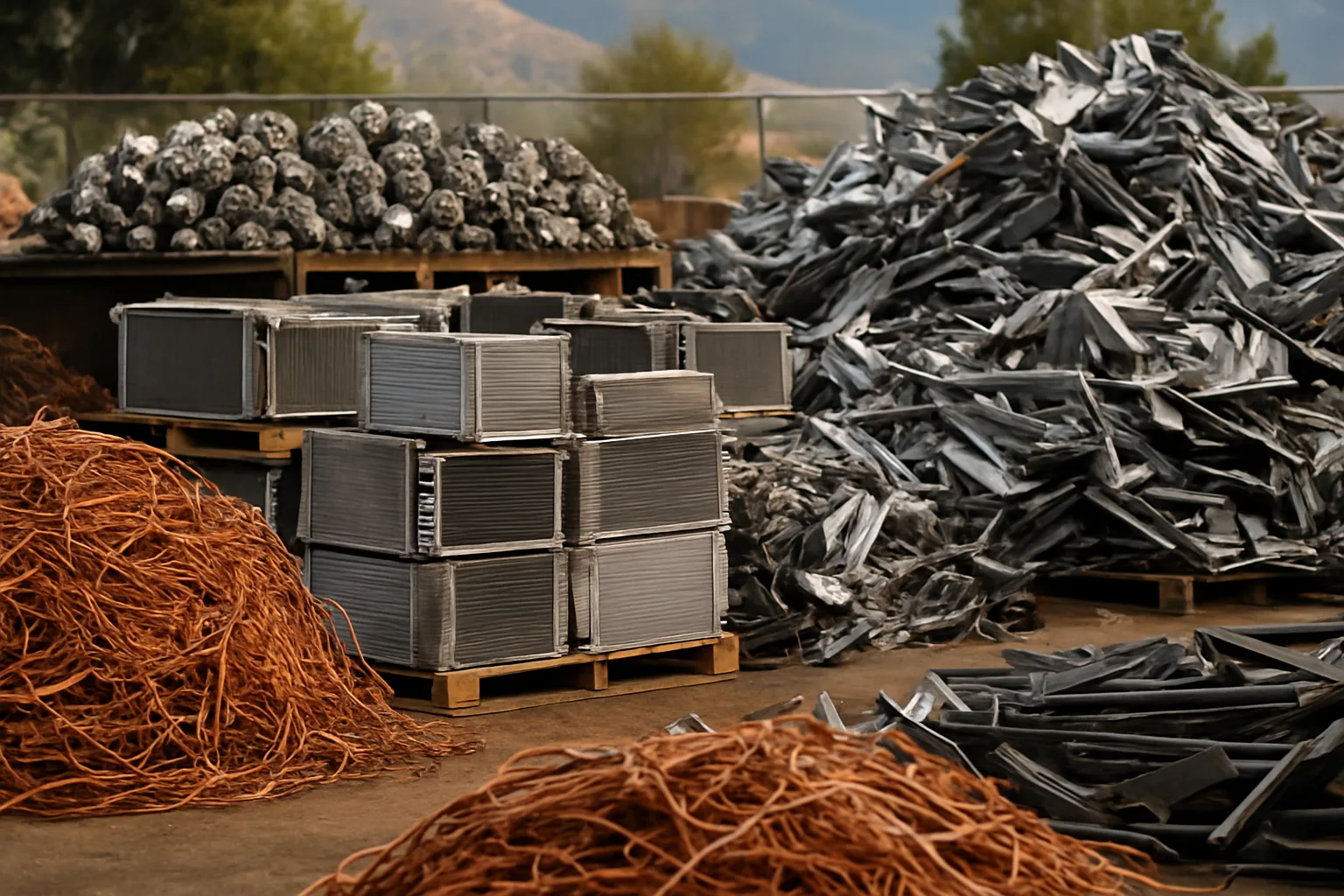
A vehicle radiator looks like one part. It isn't. Depending on the age and make of the vehicle, a radiator can contain copper, brass, aluminum, and plastic — sometimes all in a single unit. That material mix is exactly why radiators are closely watched in the non-ferrous market. Check today's scrap metal prices to see how copper and aluminum are trending before you move any radiator inventory.
Here's how the recycling breakdown typically works:
- Copper/brass radiators (older vehicles, pre-2000s): Higher value per pound. Buyers separate the copper tubing from the brass tanks and end caps. These are processed at a smelter and turned back into copper alloy or pure copper depending on grade.
- Aluminum radiators (most vehicles post-2000): Lighter and lower per-pound value than copper, but typically available in higher volumes. The aluminum core gets shredded and melted into secondary aluminum ingot.
- Plastic end tanks: Generally stripped out and separated before any metal goes to the smelter. Plastic contamination lowers the grade — and the price.
The condition of the radiator matters. Full of coolant? That's a problem. Most yards want them drained and clean. A contaminated load pulls down the price on the whole batch. Photo documentation at intake — part of how platforms like SMASH help you get competitive bids for your scrap metal — protects you when disputes arise about condition or grade.
For yards in Colorado Springs processing auto recycling loads, radiators are a consistent non-ferrous volume item. The copper scrap price and aluminum scrap price on any given week directly affect what you can offer and what buyers will bid. That volatility is exactly why real-time pricing data matters.
Alternators: Steel, Copper Windings, and More
Alternators are a different puzzle. On the outside, they look like a solid steel housing. Inside, there's a copper-wound stator, an aluminum rotor, and iron components — a dense mix of ferrous and non-ferrous metal packed into a small unit.
Most scrap buyers take alternators one of two ways:
- Whole unit (as-is): Priced as a mixed or "dirty" material. Faster to process for the yard, but typically lower per-pound return because the buyer is accounting for separation costs.
- Dismantled: The copper windings are extracted and sold separately at the copper scrap price. The steel housing goes into the ferrous stream. The aluminum components may be weighed out separately. More labor, potentially better net return.
The choice between whole and dismantled depends on your labor cost versus current copper scrap prices. When copper is running strong, breaking down alternators makes sense. When copper softens, whole units may be the more practical call. Read the latest scrap metal market updates to track where copper and steel are moving week to week.
Yards and collectors in Colorado Springs and across Colorado process alternators in large volumes — particularly those pulling from auto auctions, fleet operations, and dealership service lanes. Knowing current scrap prices before you sort your material isn't optional. It's how you avoid leaving money on the table.
How the Scrap Metal Auction Model Changes the Math on Auto Parts
Here's the problem with the traditional approach to selling radiators, alternators, and other auto part scrap: you call one buyer, they quote you a price, and you have no real way of knowing if it's fair. You accept it or you don't. There's no market — just one offer.
A scrap metal auction puts multiple vetted buyers looking at the same load. That's price discovery. Not a guess — an actual market signal. When buyers compete, you find out what the load is genuinely worth on that day, in current market conditions. Competition can help reveal the market. More buyers means better price discovery.
SMASH is built specifically for this. Yards list their material — sorted loads, mixed auto parts, non-ferrous cores, whatever they're moving — and vetted buyers place bids. The platform handles documentation, BOLs, auto-invoicing, and photo records. You're not chasing paperwork after the sale. It's handled.
For a Colorado Springs yard moving consistent volumes of radiators and alternators, the difference between one buyer and four competing buyers isn't theoretical. It's real margin, week over week. Platforms like SMASH make it easier to capture that margin without building a rolodex of buyers yourself.
Steel Scrap Price Today and Why It Affects Auto Parts Differently
The steel scrap price today matters for alternators, engine blocks, and steel-heavy auto parts. But it affects the math differently than copper or aluminum pricing does. Steel is a commodity priced in gross ton — it moves in larger increments and tends to be less volatile week-to-week than non-ferrous metals. That said, it's still a real number you need to know before you sort and sell.
Auto parts often straddle the ferrous/non-ferrous line. An alternator is part steel, part copper. A radiator is aluminum or copper, but often strapped with steel hardware. Sorting accurately — and pricing each component against current rates — is where yards either make or lose margin.
Here's what to track before moving a mixed auto parts load:
- Copper scrap price: Affects radiators (copper/brass units), alternator windings, and starter motors
- Aluminum scrap price: Affects modern aluminum radiators, rotors, and engine housings
- Steel scrap price today: Affects alternator housings, steel-heavy engine components, and ferrous auto scrap broadly
All three numbers shift the sort decision. Find current scrap metal prices near you before you commit a load to any buyer — especially on high-volume auto parts days.
Best Practices for Selling Auto Parts Scrap in Colorado Springs
Whether you're running a full auto recycling yard or just cleaning out a shop, how you present your material affects what you get for it. Sloppy, unsorted, undocumented loads sell at the lowest end of the range. Clean, sorted, documented loads attract better buyers and more competitive bids.
Here's what makes a load worth more on the open market:
- Sort by material type: Keep copper/brass radiators separate from aluminum radiators. Don't mix ferrous and non-ferrous.
- Drain fluids: Coolant, oil, and hydraulic fluid contaminate loads and reduce grade. Most buyers discount wet or contaminated material.
- Document with photos: Timestamped photos at intake protect you from disputes. SMASH's platform supports photo documentation as part of the listing process.
- Use accurate weight data: Guessing on tonnage creates problems at settlement. Certified scale tickets make every transaction cleaner.
- Track serial numbers on cores: Some cores — catalytic converters especially, but also certain specialty alternators — carry serial tracking value. SMASH has serial tracking built into the inventory tool.
In Colorado Springs specifically, the volume of auto recycling material flowing through the market makes buyer competition real and relevant. You're not selling into a thin market. You're selling into an active one — and that means the auction model works in your favor when you bring documented, sorted inventory.
Frequently Asked Questions
Q: What metals are in a car radiator, and how does that affect scrap value?
Radiators contain copper, brass, aluminum, and plastic depending on the vehicle's age. Older copper/brass radiators typically carry higher per-pound value than modern aluminum units, but aluminum radiators are more common in current salvage volumes. The specific copper scrap price and aluminum scrap price on the day you sell directly affects your return.
Q: Are alternators worth scrapping whole or should I break them down first?
It depends on current copper scrap prices and your labor cost. When copper is priced strong, extracting the windings and selling them separately often makes financial sense. When margins are tighter, selling whole units as mixed or "dirty" material saves time. Check current scrap metal prices today before you commit to either approach.
Q: How does a scrap metal auction work for auto parts like radiators and alternators?
A scrap metal auction puts multiple buyers in competition on the same lot of material. You list your sorted inventory — with weights, photos, and documentation — and vetted buyers bid. SMASH handles the platform infrastructure, including BOLs, auto-invoicing, and photo records. It replaces the single-buyer phone call with real price discovery.
Q: What is the best way to sell scrap metal online in Colorado Springs?
The most effective approach is to sort your material accurately, document it with photos and weight tickets, and list it through a platform that reaches multiple buyers. Selling scrap metal online through SMASH connects you to vetted buyers across North America, which means better competition on your loads than a local single-buyer quote typically provides.
Q: How often do scrap metal prices change, and how should I track them?
Scrap metal prices — including copper, aluminum, and steel — can shift daily based on global commodity markets, regional demand, and trade conditions. For sellers in Colorado and Colorado Springs specifically, tracking current rates before sorting and listing material is essential. Use a dedicated resource to stay current on steel scrap price today and non-ferrous benchmarks before you commit a load.
Disclaimer: Scrap metal prices fluctuate based on market conditions. Always verify current rates before selling. The information in this article reflects general market dynamics as of August 2026 and is not a guarantee of pricing.
The numbers on radiators and alternators shift week to week — copper moves, aluminum moves, and what you walked away with last month may not be the market today. Before your next auto parts load goes out the door, check today's scrap metal prices and get current rates at scrap-metal-prices.com. Knowing your numbers before you negotiate is the simplest edge in this business.
Follow SMASH on LinkedIn for weekly scrap metal market insights, pricing updates, and industry news straight from the yards.