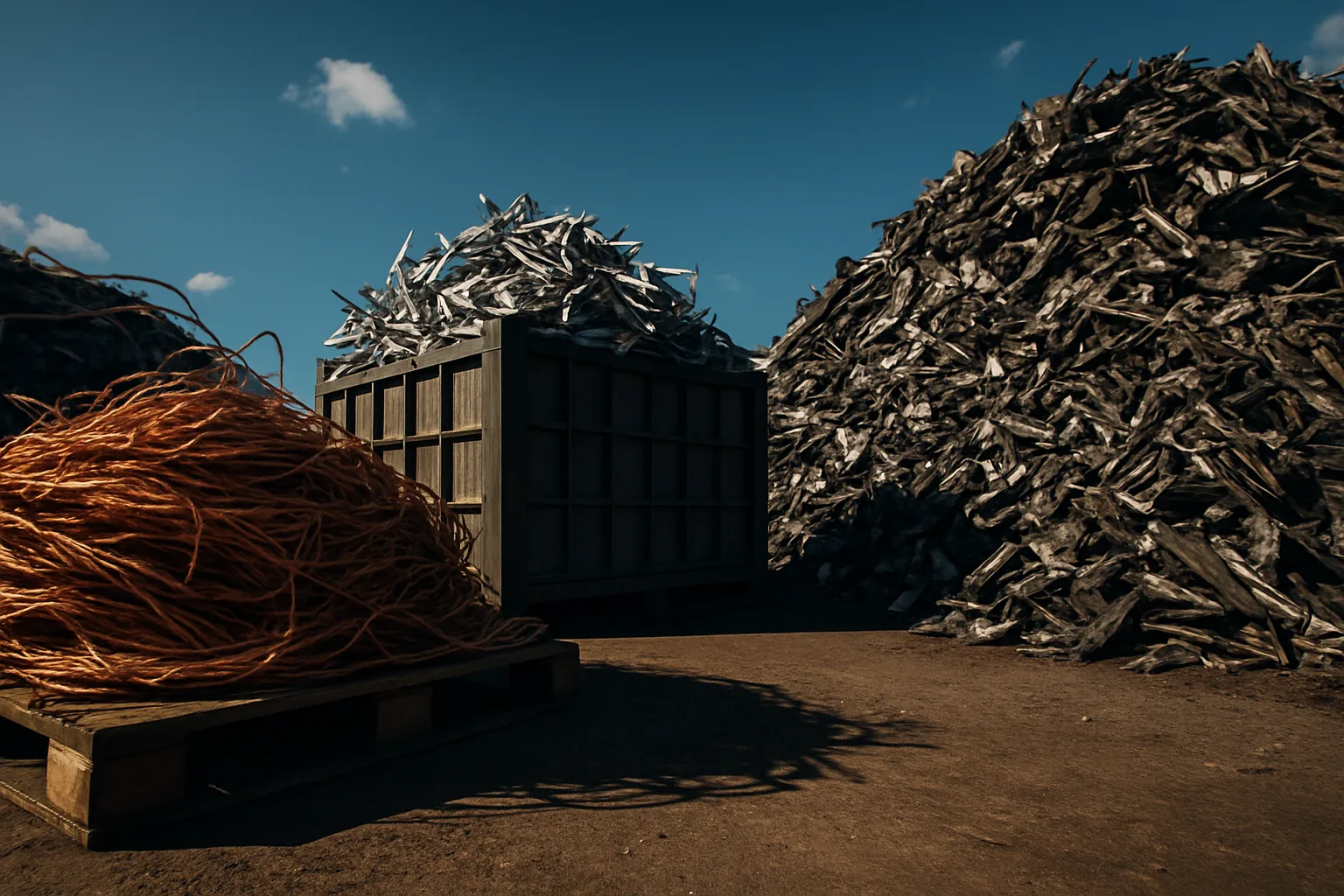
Why Sorting Your Scrap Metal Before You Sell Is Worth Every Minute
Most sellers leave money on the table before they ever reach the scale. Not because the yard is cheating them — but because they showed up with a mixed, unsorted load and got paid the lowest common denominator price for all of it. If you're serious about getting fair value for your scrap in Virginia Beach, sorting is the single highest-leverage thing you can do before you sell.
Scrap metal prices today vary significantly by material, grade, and condition. A load of clean copper wire gets paid at a completely different rate than contaminated copper mixed with plastic. Steel gets paid at steel prices. If your copper is buried in a pile of steel, guess what rate applies to the whole thing? Preparation isn't busywork — it's how you get paid what your material is actually worth.
Know What You Have: The Core Metal Categories
Before you sort anything, you need to know what you're sorting. Scrap yards in Virginia Beach — and across Virginia — buy dozens of different materials, but they all fall into two major categories: ferrous and non-ferrous. Ferrous metals contain iron. Non-ferrous metals don't. That distinction matters more than almost anything else because non-ferrous metals like copper, aluminum, brass, and stainless steel command significantly higher prices per pound.
The simplest tool you'll ever use in scrap prep costs nothing: a magnet. If the magnet sticks, it's ferrous. If it doesn't, you're likely holding something far more valuable. Here's a quick breakdown of what you might encounter:
- Copper: Bright reddish-orange when clean. Found in wire, pipe, motors, and electrical components. One of the highest-value non-ferrous metals on the market.
- Aluminum: Lightweight, silver-gray, non-magnetic. Rims, siding, gutters, cans, extrusions. Pays less per pound than copper but moves in high volume.
- Brass: Yellow or golden tone. Fittings, valves, plumbing fixtures, musical instruments. Often mistaken for copper — it's worth slightly less, but still well above steel.
- Stainless steel: Non-magnetic in many grades. Appliances, sinks, industrial equipment. Pays more than regular steel but less than most non-ferrous.
- Cast iron: Heavy, dark gray, magnetic. Engine blocks, weights, pipe fittings.
- Light iron and steel: Sheet metal, car body panels, structural steel — the bread and butter of most scrap loads by weight, but the lowest price per pound.
Knowing what you're holding before you load the truck means you can check today's scrap metal prices and set realistic expectations for each material type — not just the load as a whole.
How to Sort and Prepare Each Material for Maximum Scrap Metal Prices Today
Sorting isn't just separating materials into piles. Grade matters too. Clean copper wire stripped of its insulation pays more than insulated copper wire. Clean aluminum extrusion pays more than painted aluminum. The more work you do before the yard, the more money stays in your pocket. Here's how to approach the most common materials:
Copper
Strip insulation off wire where possible — bare bright copper commands the top copper scrap price. If stripping isn't practical, separate insulated wire from bare wire and label each. Remove copper pipe from any fittings that aren't copper. Avoid mixing with brass unless you know your yard grades them separately and both are clean.
Aluminum
Separate aluminum by type: cans, extrusion (window frames, door frames), cast aluminum (engine parts), and sheet aluminum. Remove steel bolts, rubber gaskets, and plastic parts. A set of aluminum wheels with iron lug nuts still attached will get docked at the scale. Take an extra ten minutes — it pays.
Brass and Bronze
Keep brass away from copper and aluminum. Yards grade and price these differently. Remove steel stems from brass fittings where you can. Yellow brass (plumbing fittings) and red brass (higher copper content) are often priced differently — ask your buyer or check current market rates before assuming they're the same.
Steel and Ferrous Loads
For bulk ferrous loads, the goal is cleanliness and density. Remove non-metal attachments — rubber, plastic, wood. Separate light iron from heavy melt steel if you have the volume to justify it. Cut or flatten where possible to reduce hauling costs. If you're moving an engine block, drain fluids first — yards in Virginia and most states require it, and showing up with a leaking load is a fast way to get turned away.
Catalytic Converters: Handle These Separately
If you have catalytic converters in your load — whether from a single vehicle or a collection from your yard — do not throw them in with the steel. Cats are priced based on the platinum group metals (PGMs) inside: platinum, palladium, and rhodium. Those values fluctuate independently of steel and copper markets. Mixing cats into a general scrap load is one of the costliest mistakes a seller can make.
Catalytic converter values depend on the specific make, model, and type of converter. A VIN lookup or serial number check can identify exactly what you have and what the PGM content looks like. This is where a catalytic converter auction model genuinely changes the outcome. Instead of one buyer making you a take-it-or-leave-it offer on your cats, platforms like SMASH let you find the best price for your scrap by putting your documented inventory in front of multiple vetted buyers who compete for it. More competition means better price discovery — especially on high-value items like cats where the spread between buyers can be significant.
SMASH supports serial tracking and photo documentation specifically for catalytic converter lots. That documentation builds buyer confidence and tends to drive stronger bids. If you're moving more than a handful of cats, this matters.
Documentation and Photo Prep: The Step Most Sellers Skip
Here's something the old way of selling scrap never required: showing your work. One phone call to your regular buyer, one price, done. No documentation, no comparison, no transparency. That worked fine when there was no alternative — but it meant you were always guessing whether you got the right price.
Documented loads sell better on platforms that support competitive bidding. Photo documentation of your copper, your cat cores, your aluminum loads gives buyers confidence in what they're bidding on. When a buyer can see the material clearly, they bid with more conviction. When they can't see it, they discount for uncertainty. That discount comes out of your pocket.
Before you move a significant load, take photos in good light. Separate materials so each type is visible. Include close-ups of any high-value items — bare bright copper, clean aluminum extrusion, cats with serial numbers visible. This takes twenty minutes and can meaningfully affect what buyers are willing to bid. For the latest on how documentation affects scrap metal prices, read the latest scrap metal market updates.
Selling Scrap in Virginia Beach: Know Your Local Market
Virginia Beach has a solid base of scrap buyers, driven by its mix of residential construction activity, the region's naval and military infrastructure, and an active commercial and industrial sector. That means demand for both ferrous and non-ferrous materials is relatively consistent. But consistent demand doesn't mean consistent pricing — copper scrap price, aluminum scrap price, and steel scrap price all move with the broader commodity markets, and local yard pricing reflects that movement.
The best move any seller in Virginia Beach can make is to track current rates before loading the truck. Don't rely on what a yard told you three weeks ago. Find current scrap metal prices near you before you commit to a buyer. If you're selling a significant load — especially non-ferrous metals or catalytic converters — consider whether a competitive auction format might reveal a better price than a single-buyer call.
That's exactly where SMASH fits into the picture. Whether you're selling a load of bare copper wire, a collection of cat cores, or a mixed non-ferrous lot from a commercial cleanout, putting that load in front of multiple vetted buyers through SMASH's auction format is a straightforward way to test the real market. No subscription fees. No guessing. Just competition between qualified buyers who can see your documented inventory and bid accordingly.
Scrap metal prices today are worth knowing before you sell — not after. Take the time to sort, document, and understand what you have. Then let the market tell you what it's worth. When you're ready to move your load, check current rates at scrap-metal-prices.com and make sure you're going in informed.
Disclaimer: Scrap metal prices fluctuate daily based on commodity markets, regional demand, and material grade. Always verify current rates before selling.
Frequently Asked Questions
Q: What are scrap metal prices today in Virginia Beach?
Scrap metal prices today shift with commodity markets and vary by yard and material grade. Copper, aluminum, and steel all price differently, and even within those categories, grade and cleanliness affect the rate. Always check today's scrap metal prices before heading to the yard — prices from last week may not reflect what you'll actually be paid today.
Q: How do I find the best place to sell scrap metal near me in Virginia Beach?
Start by checking current rates at multiple buyers — don't assume the closest yard pays the best price. For higher-value loads like copper, catalytic converters, or large non-ferrous lots, a competitive auction platform like SMASH can connect you with vetted buyers across a wider market, which often results in better price discovery than a single-buyer phone call.
Q: Does sorting scrap metal actually make a difference in what I get paid?
Yes — significantly. Mixed loads almost always get paid at the lowest-value material in the load. Separating copper from aluminum, bare wire from insulated wire, and cats from bulk steel means each material gets priced on its own merits. A few extra minutes of sorting before the yard can translate directly into a better payout.
Q: What should I do with catalytic converters before selling them?
Keep them separate from your bulk scrap. Identify them by serial number or VIN lookup if possible, photograph them clearly, and consider selling through a catalytic converter auction format where multiple buyers compete. Cats carry real value based on their PGM content — a single take-it-or-leave-it offer rarely reflects the full market.
Q: How often do scrap metal prices change in Virginia?
Scrap metal prices in Virginia — and across the US — can shift daily. Copper and other non-ferrous metals are particularly sensitive to global commodity markets and currency moves. Checking rates the morning you plan to sell is always better than relying on a number from earlier in the week.
---Stay current on scrap metal markets, pricing trends, and industry insights by following SMASH on LinkedIn — it's one of the best ways to stay ahead of price movements and market shifts in the scrap industry.