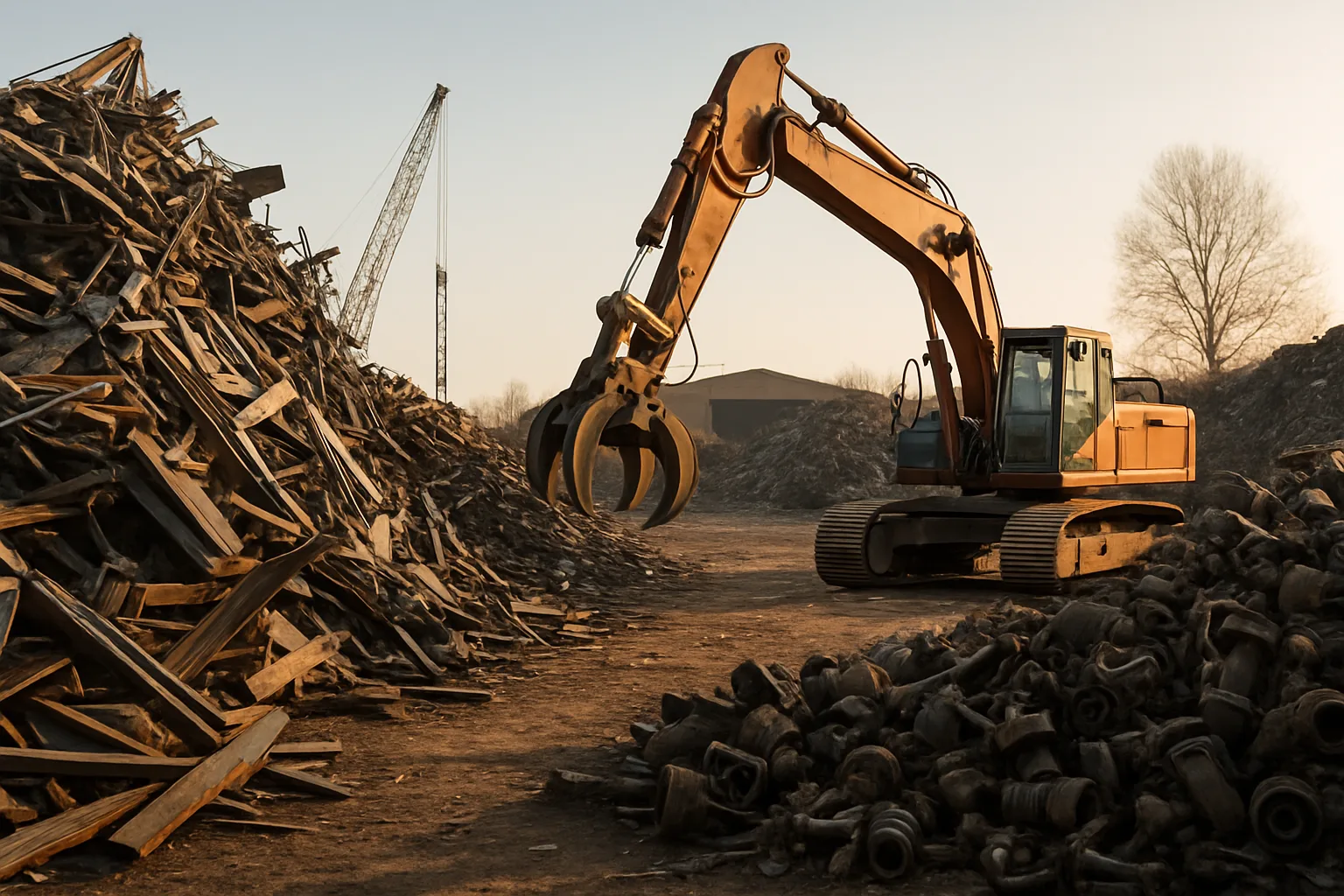
Steel vs. Iron Scrap: Why the Price Gap Matters for Houston Sellers
Most sellers show up at the yard with a mixed load and take whatever the scale says. That's leaving money on the table. Knowing the difference between steel scrap and cast iron scrap — and how each one is priced — can change what you walk away with. If you're doing scrap metal recycling Houston regularly, this distinction matters every single time you load a truck.
Steel and iron are not the same metal. They price differently, they process differently, and buyers value them differently. Understanding why gives you real leverage — at the yard, and when you SMASH Scrap — where verified buyers bid on your metal.
Steel Scrap vs. Cast Iron: What's Actually Different?
Both steel and cast iron start with iron ore. But manufacturing changes them significantly. Steel has a lower carbon content — typically under 2% — which makes it stronger, more flexible, and easier to weld or reform. Cast iron has higher carbon content, often 2–4%, which makes it brittle but excellent for casting into shapes under pressure. That difference in chemistry is exactly why mills and foundries price them separately.
When you're sorting a load, here's what typically falls into each category:
- Steel scrap: I-beams, rebar, sheet steel, car frames, pipes, structural steel, appliance bodies
- Cast iron scrap: Engine blocks, radiators, bathtubs, cookware, manhole covers, brake rotors, old machinery housings
Cast iron is denser and heavier per cubic foot than most steel. A single engine block can weigh 200–400 lbs. That weight adds up fast on a load. But density doesn't automatically mean higher price per pound — demand and recyclability do.
How Scrap Metal Prices Today Reflect Demand From Mills and Foundries
Steel scrap prices today are driven largely by electric arc furnace (EAF) mills, which melt recycled steel to produce new steel. These mills are active buyers of prepared steel, shredded steel, and HMS (heavy melting steel). When construction activity is strong in Texas and across the Sun Belt, demand for rebar and structural steel pulls up EAF mill consumption — and that flows directly into what yards will pay for your steel loads.
Cast iron moves differently. Foundries that produce automotive parts, municipal hardware, and industrial castings are the primary buyers. Their buying cycles don't always align with construction demand. As a result, cast iron can trade at a discount to prepared steel — or occasionally at a premium — depending on foundry activity in any given month. Right now in mid-2026, foundry demand in the Gulf Coast region has been moderately steady, but it's worth checking current scrap metal prices near you before you commit to a sale.
A few factors that directly move steel and iron scrap prices:
- Domestic mill utilization rates (higher utilization = stronger scrap appetite)
- Export demand, particularly from overseas EAF producers
- Scrap inventory levels at yards and mills
- Energy costs affecting melt operations
- Infrastructure and construction project pipelines in Texas and nationally
Why Copper Scrap Prices Houston Sellers Chase Don't Tell the Full Story
A lot of sellers in Houston focus almost exclusively on non-ferrous metals — copper, aluminum, brass — because the per-pound prices are dramatically higher. Copper scrap prices Houston yards post today are typically 15 to 30 times higher per pound than steel scrap prices. That math is real. But ferrous metals — steel and iron — make up the majority of most mixed loads by weight. Ignoring the ferrous side of your load is ignoring the bulk of what you're moving.
If you're hauling a full truck of mixed demolition debris, the steel content might outweigh everything else combined. Getting an extra few dollars per ton on that steel — through better documentation, cleaner sorting, or competitive bidding — can add up to hundreds of dollars per load. That's real margin, not rounding errors.
This is where platforms built to sell scrap metal online through auction change the math. Instead of one buyer making you a take-it-or-leave-it offer on a mixed load, vetted buyers compete on specific material types. Sorted loads of HMS or prepared steel can attract different buyer interest than cast iron. When buyers compete, price discovery actually works the way it should.
How to Get the Best Scrap Metal Prices in Texas by Sorting Smarter
Sorting takes time. But confusing yards that rely on the "it's all steel" bucket to low-ball a mixed ferrous load is one of the oldest moves in the business. Here's how to protect yourself:
- Separate cast iron from steel before you arrive. Most yards will price cast iron and steel differently. Showing up with them commingled gives the yard an excuse to blend the pricing — usually toward the lower number.
- Know your grades. Heavy melting steel (HMS 1 and HMS 2) commands different prices. HMS 1 is clean, heavy steel with minimal attachments. HMS 2 includes lighter gauge or lower quality material. Know what you have.
- Document heavy pieces. If you've got multiple engine blocks or industrial cast iron, photograph and weigh them before the yard does. It gives you a baseline for negotiation and dispute resolution.
- Check posted prices the same day you sell. Steel scrap prices move week to week. A price that was posted last Tuesday may not reflect what the market is doing today. Always check today's scrap metal prices before you load the truck.
- Consider your timing. Export demand cycles mean prices can spike ahead of vessel loading dates and soften after. Yards in Houston — a major port city — often reflect these cycles more sharply than inland markets.
Houston's position as a Gulf Coast port city actually gives local sellers an advantage. Export buyers for ferrous scrap move significant volume through Houston. That export channel creates competitive tension that doesn't exist in landlocked markets. If you're doing regular scrap metal recycling in Houston, you're operating in one of the more liquid ferrous scrap markets in the country.
Using SMASH to Sell Mixed Ferrous Loads Without the Guesswork
The old way: call your regular buyer, get a verbal offer, take it or leave it. No idea if that number reflects the market or the buyer's margin. No record. No recourse if the final settlement differs from the verbal quote.
SMASH was built to replace that process. You document your load — material type, grade, weight, photos, relevant serial data if applicable. Vetted buyers review the documentation and bid competitively. You see the bids. You decide. More buyers means better price discovery. That's not a tagline — it's how competitive markets work.
For ferrous loads specifically, the documentation step matters. A well-photographed load of sorted HMS 1 with accurate weight documentation gives buyers confidence to bid aggressively. A vague description of "mixed steel and iron" invites lowball bids because buyers are pricing in uncertainty. Clean data removes that excuse.
For sellers in Houston running regular volumes — demolition contractors, equipment recyclers, auto dismantlers — SMASH Scrap — where verified buyers bid on your metal provides a structured process that scales. No subscription fees. SMASH earns when the seller earns. That alignment matters.
If you're newer to the process and asking how to sell scrap metal near me for cash, the answer starts with knowing what you have, documenting it properly, and letting buyers compete for it rather than accepting the first number offered. Whether you're near Houston scrap metal services or working across Texas, the principle is the same.
For the most current steel scrap prices, iron scrap rates, and what's moving in your region, read the latest scrap metal market updates before your next sale. Markets move fast right now, and staying current is part of doing this right.
The price gap between steel and iron scrap isn't fixed. It shifts with mill demand, foundry cycles, export volumes, and regional supply. Understanding what drives each number — and sorting and documenting accordingly — is how experienced sellers in Texas consistently outperform those who just take the posted rate without question. Get current rates at scrap-metal-prices.com before your next load moves.
Frequently Asked Questions
Q: How do I tell the difference between steel scrap and cast iron scrap?
Cast iron is typically thicker-walled, more brittle, and heavier for its size — common examples include engine blocks, brake rotors, and old radiators. Steel is more flexible and weldable, found in structural beams, rebar, pipes, and sheet metal. A simple field test: cast iron will crack or fracture under stress, while steel bends. When in doubt, ask your yard to identify pieces before weighing.
Q: Do scrap metal yards in Houston price cast iron and steel differently?
Yes. Most full-service yards in Houston post separate prices for cast iron, HMS 1, HMS 2, and shredded steel. The spread between grades can be meaningful — sometimes several dollars per hundred pounds. Always ask for a grade-by-grade breakdown rather than accepting a blended rate on a mixed ferrous load.
Q: How often do steel scrap prices change in Texas?
Ferrous scrap prices typically adjust weekly or bi-weekly at most yards. Export demand from the Gulf Coast can drive faster movement. Checking prices on the same day you plan to sell is the only way to know what the market is actually paying — posted rates from earlier in the week may already be outdated.
Q: What's the best way to sell scrap metal online from Houston?
Document your load thoroughly — metal type, grade, weight, condition, and photos. Platforms like SMASH let vetted buyers bid on documented loads, which creates competition rather than a single take-it-or-leave-it offer. For larger volumes of ferrous material, this process can reveal the real market value more accurately than a single yard quote.
Q: Does it matter if I'm near scrap metal downtown Houston or in the suburbs?
Location affects logistics cost, but not necessarily the underlying price per pound. Yards closer to port facilities may reflect stronger export-driven pricing on ferrous materials. If you're selling online through a competitive platform, your location matters less — buyers bid on the material, not your zip code. Factor in haul costs when comparing net returns across different buyers.
Follow SMASH on LinkedIn for regular scrap metal market insights, price trend updates, and industry news across North America.
Disclaimer: Scrap metal prices fluctuate based on market conditions, location, material grade, and buyer demand. All prices referenced are general market context only. Always verify current rates with your buyer or at scrap-metal-prices.com before completing a transaction.