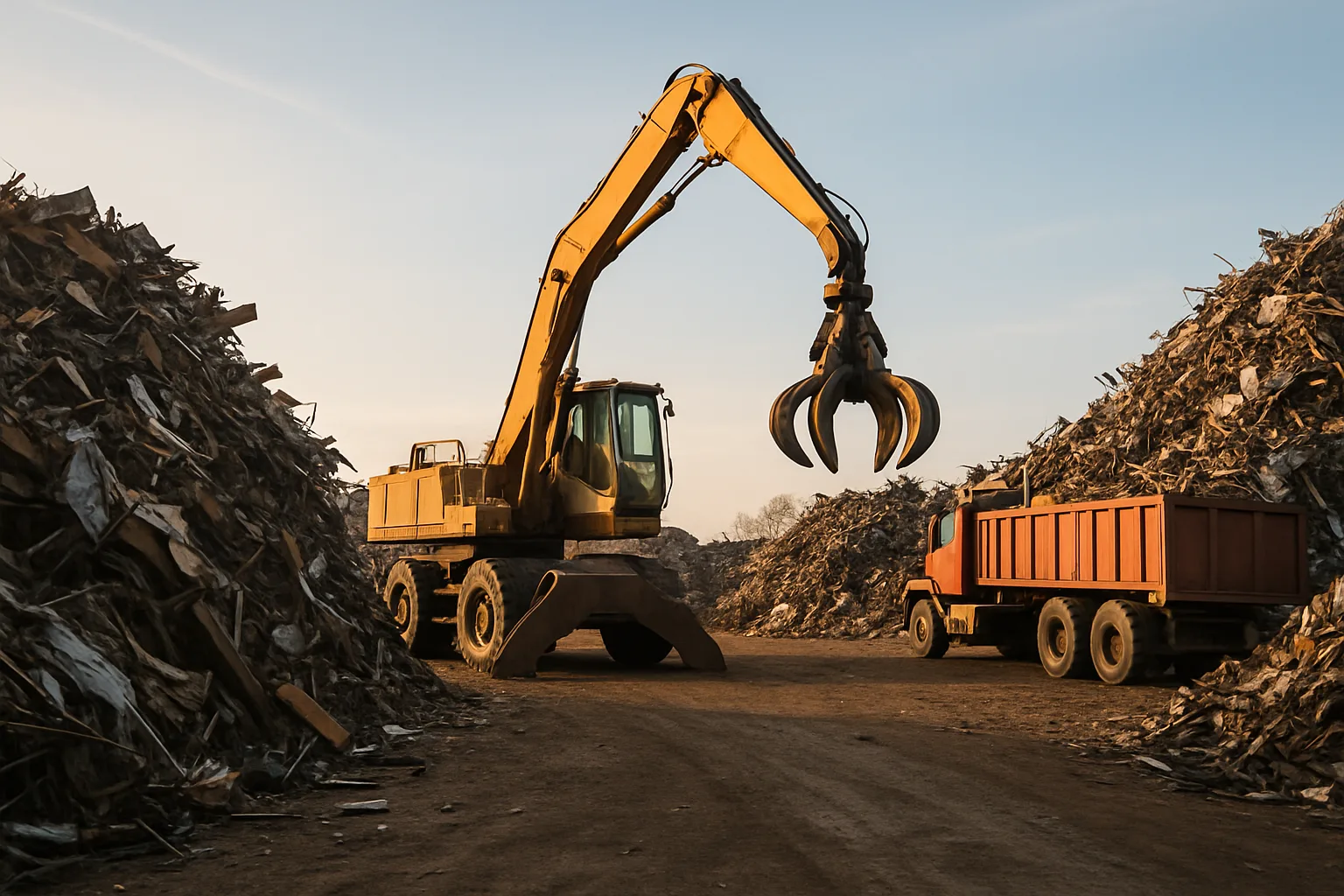
Construction Sites Are Sitting on a Scrap Metal Goldmine — Are You Tapping Into It?
Every time a building comes down or a new structure goes up, metal moves. Beams get cut. Wiring gets pulled. Pipes get ripped out. The scrap metal generated from construction and demolition sites represents serious weight — and serious money — if you know what you're looking at. In Fresno, where commercial development and infrastructure work have stayed active heading into mid-2026, contractors and recyclers alike are leaving value on the table by not treating that metal as a sellable asset.
The question isn't whether your job site has scrap. It does. The question is whether you're getting a fair price for it — or just taking the first offer from the one buyer who showed up. That's where a scrap metal auction changes the game entirely.
What Construction and Demolition Sites Actually Produce
The volume and variety of scrap metal coming off a C&D site can surprise even experienced contractors. Different phases of a project produce different metals — and each one has its own market value. Understanding what you have before you sell it is the first step toward getting a better price.
Here's what typically comes off an active construction or demolition job:
- Structural steel: I-beams, angle iron, rebar, decking, and columns. Steel is heavy and moves in bulk. The steel scrap price today fluctuates with global mill demand, so timing your sale matters.
- Copper wire and pipe: Electrical rough-in, plumbing tearouts, and HVAC work all generate copper. Copper scrap price consistently runs among the highest per-pound values in the yard.
- Aluminum: Window frames, conduit, flashing, and framing components. Aluminum scrap price has stayed competitive — it's lightweight but adds up fast across a full demolition.
- Cast iron: Older buildings in particular yield cast iron from radiators, drain lines, and pipe fittings.
- Stainless steel: Commercial kitchens, medical facilities, and industrial buildings produce stainless in useful quantities.
- Catalytic converters: If a demolition crew is also handling vehicle scrapping or fleet equipment, cats come into the mix. If you're looking to sell catalytic converters online, documentation and proper identification are critical to getting a legitimate price.
The mix changes depending on the building type — residential teardowns skew toward copper and aluminum, while industrial demolitions can yield massive steel tonnage. Either way, sorting your material before you call a buyer is always worth the effort.
Steel Scrap Price Today — Why Timing Your C&D Sale Matters
Steel is almost always the highest-volume metal coming off a construction or demolition site. It's also one of the most price-sensitive. The steel scrap price today is driven by mill demand, import/export dynamics, and broader manufacturing output — all factors that shift month to month in 2026.
In California, mills and processors serving the West Coast have their own pricing benchmarks separate from Midwest or East Coast buyers. That geographic spread is exactly why putting your load in front of multiple vetted buyers — rather than one local contact — makes a real difference. More competition equals better price discovery. That's not marketing language. That's how markets work.
If you're sitting on a significant steel load in Fresno and you've only called one number, you've done half the job. The other half is finding out what the actual market will pay. Platforms like SMASH Scrap — where verified buyers bid on your metal exist specifically to solve that problem. Instead of one phone call and one offer, you get competitive bids from vetted buyers who are actively looking for material.
How to Document and Prepare C&D Scrap for Maximum Value
Walking up to a sale with a rough estimate and a handshake is the old way. Buyers today — especially on legitimate auction platforms — want to see what they're buying before they bid. That means documentation isn't just paperwork. It's a tool that directly affects the price you get.
Before you move a load to the yard or list it through a scrap metal auction, do this:
- Sort by metal type. Commingled loads always get priced at the lowest value in the pile. Clean, sorted loads command better rates.
- Photograph everything. Weight estimates, condition, any visible contamination — document it. Buyers who can see what they're getting before they bid will bid more confidently.
- Get a weight estimate. If you have access to a scale, use it. If not, work from your project takeoffs. A load of rebar from a parking structure is a very different number than a bag of copper fittings.
- Track serial numbers and VINs where applicable. For equipment, catalytic converters, or anything with an identifiable origin, serial tracking protects both you and the buyer.
- Prepare a basic packing list or BOL. Know what's on the truck before it leaves the site. This is standard practice for any professional transaction.
SMASH's inventory tools are built for exactly this workflow. You can document your load with photos and weight estimates before listing — which gives buyers the information they need to place real, competitive bids. That documentation also protects you if there's ever a dispute. It's a cleaner transaction for everyone.
Best Scrap Metal Prices in California — Why Fresno Sellers Should Look Beyond the Local Yard
Local scrap yards serve an important function. But if you're running a job site or managing demolition at scale, defaulting to the nearest yard as your only buyer is costing you. The best scrap metal prices California sellers can access aren't always at the yard down the street — they're wherever the most buyers are competing for your material.
Fresno sits in the Central Valley, which means you're equidistant from major processing hubs in the Bay Area, Los Angeles, and the Port of Stockton. That geographic positioning should work in your favor. Buyers across California — and beyond — can bid on your material if you're using the right platform. Check today's scrap metal prices to understand where values sit before you negotiate anything.
The problem with the one-buyer model isn't that local yards are dishonest. Most are running a legitimate business. The problem is structural: one buyer has no competitive pressure to offer you more. A scrap metal auction format creates that pressure by design. Your load goes in front of multiple buyers simultaneously, and the market tells you what it's actually worth.
For construction companies and demolition contractors in Fresno processing regular volume, this isn't a minor upgrade. It's a fundamental shift in how you monetize a consistent revenue stream that most operations treat as an afterthought.
Using SMASH to Sell C&D Scrap Without the Guesswork
The traditional flow looks like this: job site wraps up, someone calls the usual buyer, a truck shows up, you get a check. You have no idea if that number was fair because you never got another offer. That's not a business process — that's a habit.
SMASH scrap was built to replace that habit with something that actually works. The platform connects sellers with vetted buyers through a competitive auction format. No subscription fees. No locked-in pricing. Just real buyers competing for your load, and full transparency on what's happening at every step.
For C&D scrap specifically, the workflow fits well. You document your load before the auction goes live — weight, photos, metal type, any relevant details from the job site. Vetted buyers review the listing and bid. You see competing offers. Auto-invoicing handles the paperwork when the sale closes. It's a cleaner process than most operations are running right now, and it removes the guesswork from what should be a straightforward commercial transaction.
To read the latest scrap metal market updates and stay current on what copper, aluminum, and steel are trading at, you'll want to track prices regularly — especially before you list a significant load.
Current Scrap Metal Prices and What C&D Sellers Should Watch in 2026
Scrap metal markets in 2026 continue to be shaped by infrastructure spending, domestic manufacturing activity, and global trade dynamics. For construction and demolition sellers in California, a few factors are worth tracking closely.
Copper scrap price remains highly sensitive to energy sector demand and electrical infrastructure work. With ongoing grid modernization projects across the Western U.S., demand for copper hasn't softened the way some predicted. If your demolition is pulling significant copper wire or pipe, the timing and buyer selection matter more than ever.
Aluminum scrap price stays competitive given domestic recycling demand from automotive and packaging sectors. Window framing and conduit from commercial demolitions in places like Fresno can move quickly when buyers know exactly what they're getting.
Steel, as always, moves with mill utilization rates. When domestic mills are running hot, they need feedstock and prices lift. When orders slow, prices soften. That volatility is exactly why locking into one buyer relationship at a fixed price — rather than putting your material to auction — can leave money behind.
Before your next load leaves the site, find current scrap metal prices near you to anchor your expectations before the first conversation. Knowing the market makes you a better negotiator — and a better seller.
If you're moving regular volume out of construction or demolition work, the market is there. The buyers are there. You just need a process that connects them to your material competitively. That's what a real auction does — and it's what SMASH was built for. Start documenting your loads, stop taking the first offer, and let the market tell you what your scrap is actually worth.
Frequently Asked Questions
Q: How does a scrap metal auction work for construction site scrap?
A scrap metal auction lets you list your material — sorted by type, documented with photos and weight estimates — so multiple vetted buyers can bid competitively. Instead of calling one buyer and accepting whatever they offer, you let the market determine the price. Platforms like SMASH handle the bidding, buyer verification, and invoicing in one process.
Q: What scrap metal is most valuable from a demolition site in Fresno?
Copper consistently commands the highest price per pound and is found in electrical wiring, plumbing, and HVAC components. Aluminum from window frames and conduit also holds strong value. Steel runs lower per pound but often makes up the bulk of the weight — making total payout significant on larger loads.
Q: How do I find the best scrap metal prices in California before selling?
Check current market rates at scrap-metal-prices.com before you call any buyer. Knowing the baseline copper scrap price, aluminum scrap price, and steel scrap price today gives you a benchmark. Then use a competitive auction format rather than a single-buyer transaction to see what the market will actually pay for your specific load.
Q: Can I sell catalytic converters from demolition or fleet equipment through SMASH?
Yes, but documentation is essential. Catalytic converters require proper identification — serial tracking and proof of origin protect both you and the buyer. SMASH's platform supports photo documentation and serial tracking as part of the listing process, which makes selling cats through a legitimate auction process straightforward.
Q: Does SMASH charge a subscription fee for scrap metal sellers?
No. SMASH doesn't charge subscription fees. The model is built so that SMASH only wins when the seller wins — there's no upfront cost to list your material. That structure is part of why vetted buyers take the platform seriously and compete genuinely on price.
Ready to stop guessing what your C&D scrap is worth? Check today's scrap metal prices — get current rates at scrap-metal-prices.com and go into your next sale knowing the market. And if you're moving real volume, put it in front of real competition.
Prices fluctuate daily based on market conditions. Always verify current rates before completing any transaction.
Stay current on scrap metal market trends and pricing insights — follow SMASH on LinkedIn for industry updates that actually matter to people moving metal.