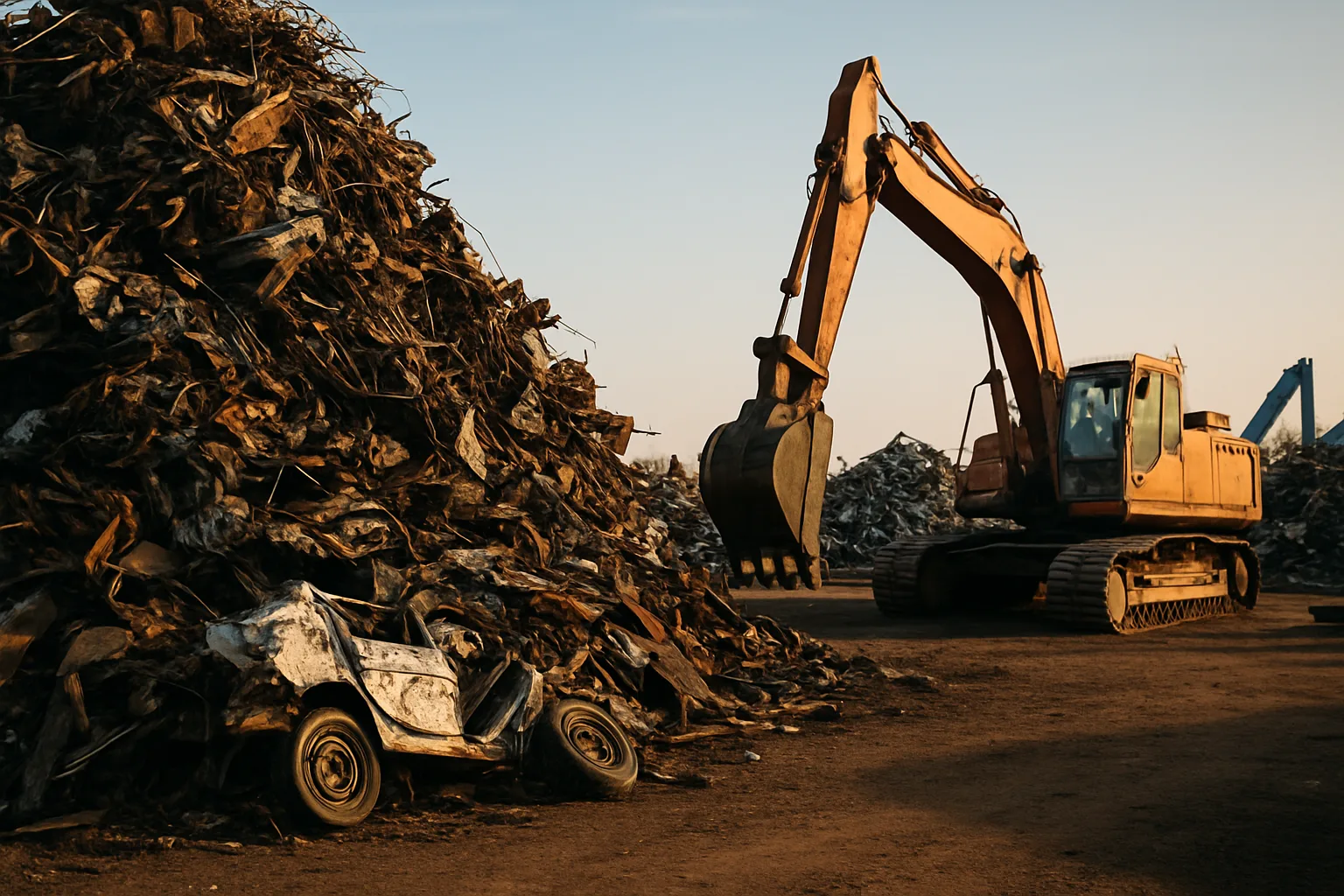
What Happens to Radiators and Alternators When Your Car Gets Scrapped?
Most people know that scrapping a car gets you money. Fewer people understand why — or which parts drive the most value. Auto components like radiators and alternators don't just disappear at a recycling yard. They get broken down by material type, sorted, and sold into the metal commodity market. And right now, with steel scrap price today fluctuating alongside copper and aluminum, knowing what's inside these parts can directly affect what you get paid.
This matters whether you're a yard operator in Syracuse or a seller dropping off a single load. The metal inside auto parts is real, quantifiable, and worth real money — if it's documented and sold correctly.
Why Radiators and Alternators Are High-Value Scrap Components
Radiators are more than just cooling units. Most automotive radiators are built from aluminum cores with brass or copper tanks, or they're fully aluminum construction depending on the vehicle's age and make. That's a significant amount of non-ferrous metal sitting inside every car headed to the yard.
Alternators are dense, mixed-metal components. They contain copper windings, steel casings, and sometimes aluminum housings. A single alternator can weigh anywhere from 8 to 15 pounds depending on the vehicle. Strip the copper out and you're looking at a meaningfully different payout than selling the whole unit as-is.
- Aluminum radiators: Valued primarily on aluminum scrap content, often classified as breakage or clean aluminum depending on prep
- Copper/brass radiators: Command higher value per pound due to mixed non-ferrous composition
- Alternators (whole): Typically sold as "electric motors" — a category that includes copper winding value baked in
- Stripped alternator cores: Copper windings separated from steel casing can yield higher returns when processed individually
The difference between selling a radiator as scrap aluminum versus identifying it as a cleaner grade — or between selling a whole alternator versus stripped copper — can add up across a full load. This is where documentation and grading actually move the needle on your payout.
How the Recycling Process Works — From Yard to Mill
When auto parts arrive at a recycling yard, the first step is sorting by material type. Steel gets separated from non-ferrous. Aluminum goes in its own category. Copper is pulled and weighed separately. This isn't just procedure — it's pricing. Different metals carry different rates, and mixing them kills value.
Radiators typically go through one of two paths. Clean aluminum radiators get baled or shredded and sold to aluminum smelters. Copper-brass radiators get processed by a non-ferrous dealer who separates the metals and sells each grade to the appropriate buyer. Most modern yards in New York and across the northeast have shredders capable of handling high volumes of mixed auto scrap, but the real value capture happens before the shredder — at the sorting stage.
Alternators follow a similar path:
- Whole units get weighed and categorized as electric motors
- Yards or processors may crack them open to separate copper windings from steel rotors
- Copper is sold at copper scrap rates; steel goes into the ferrous pile
- Aluminum housings (if present) get sorted separately
The degree of processing depends on the yard's capacity and the current spread between whole-unit pricing and stripped component pricing. When copper scrap prices are elevated relative to electric motor pricing, it pays to process. When the spread is thin, whole-unit sales are more efficient. That's a real-time market call — which is exactly why current pricing data matters.
Steel Scrap Price Today and How It Affects Auto Part Recycling
Steel is the backbone of most auto scrap. Alternator housings, brackets, and structural components all contribute to your ferrous tonnage. The steel scrap price today directly affects what yards pay for shredded auto scrap — and by extension, what you get for parts that are steel-heavy or not worth separating for non-ferrous content.
In 2026, ferrous markets have seen notable movement tied to domestic steel production demand, trade policy adjustments, and mill inventory levels. When steel prices rise, yards have more room to pay competitive rates on shredder feedstock. When they drop, the non-ferrous components — your copper windings, your aluminum radiator cores — carry proportionally more weight in determining total load value.
For sellers in the Syracuse area and across upstate New York, this means the mix of your load matters. A pile of whole alternators has a different value than a pile of stripped alternators during a strong copper market. Knowing current scrap metal prices today across multiple metal categories lets you make smarter decisions about how much processing is worth doing before you sell.
You can always check today's scrap metal prices to see where aluminum, copper, and steel rates sit before you decide how to prep your load.
Scrap Metal Inventory Management: The Part Most Sellers Get Wrong
Here's where yards and individual sellers both leave money on the table. Showing up with a load of mixed auto parts and no documentation puts the buyer in control. They see what they want to see, grade it how they want to grade it, and offer accordingly. You have no leverage.
Proper scrap metal inventory management means knowing what you have before you arrive at the yard — or before you list it for sale. For auto parts specifically, that means:
- Identifying radiator construction (aluminum only vs. copper/brass tanks)
- Weighing alternators and categorizing them as whole units or processed
- Separating ferrous from non-ferrous before the transaction
- Photographing your load — especially for higher-value components
- Tracking what vehicles parts came from (VIN-level documentation where relevant)
This isn't extra work for its own sake. Documented loads sell for more because buyers have confidence in what they're bidding on. A photo-documented, itemized load of cleaned radiators and processed alternators is a fundamentally different product than an unsorted pile. Platforms like find the best price for your scrap on SMASH are built around exactly this — giving buyers enough information to compete on price rather than hedge against uncertainty.
SMASH's inventory tools let sellers log components, attach photos, and track weights before a load ever goes to auction. That documentation becomes the foundation for competitive bids. More buyer confidence means more bidding. More bidding means better price discovery. That's not theory — it's how auctions work.
How SMASH Helps Yards and Sellers Get More From Auto Part Scrap
The old way of selling radiators and alternators: call your one buyer, take whatever they offer, move on. No competition. No transparency. No way to know if you left money on the table.
The SMASH way: document your load, list it on the platform, and let vetted buyers compete. Whether you're selling a few hundred pounds of aluminum radiators out of Syracuse or moving pallets of mixed alternators from a dismantling operation in upstate New York, the auction format creates real price discovery that a single phone call never will.
SMASH charges no subscription fees. The model only works if sellers win. Auto-invoicing handles the paperwork after a sale closes. Buyers on the platform are vetted — no tire-kickers, no wasted trips. And because the SMASH scrap metal auction system captures bid history, you get a real-time market signal on what your material is actually worth — not just what one buyer was willing to offer on a slow Tuesday.
For sellers trying to maximize aluminum scrap value per pound on radiators, or squeeze more out of a load of electric motors and alternator cores, competition is the mechanism. You don't have to guess. You let the market tell you. Read the latest scrap metal market updates to stay ahead of shifts in aluminum and copper pricing that directly affect auto part values.
What Syracuse Scrap Sellers Should Know Right Now
Syracuse and the broader Central New York region have a steady supply of auto scrap coming through — from dismantlers, body shops, fleet operations, and individual sellers cleaning out properties. The yards serving this market are active, but competition among buyers isn't always transparent from the seller's side.
Non-ferrous prices — aluminum and copper specifically — have been a key driver of auto scrap value in 2026. Radiators with copper/brass content are commanding attention from non-ferrous buyers who are watching copper markets closely. Alternators processed to separate windings are worth more per pound than whole-unit pricing when copper spreads are wide.
If you're moving auto parts in New York, the smartest move is to know your grades, document your loads, and use every available tool to create buyer competition. That starts with having current pricing data. Find current scrap metal prices near you and know what the market looks like before you negotiate your next sale.
Disclaimer: Scrap metal prices fluctuate daily based on commodity markets, regional demand, and material grade. Always verify current rates with your yard or platform before completing a transaction.
The scrap metal market rewards sellers who show up prepared. Know what's in your radiators and alternators, price by metal type, and let platforms like SMASH put your load in front of buyers who compete on price. That's how you stop guessing and start winning.
Frequently Asked Questions
Q: What is the steel scrap price today for auto parts like alternators?
Steel scrap prices fluctuate daily based on mill demand and regional market conditions. Alternator steel housings typically fall into shredded or #1 heavy melting steel categories at most yards. Check current rates at scrap-metal-prices.com for the most up-to-date pricing in your area.
Q: How much are aluminum radiators worth as scrap in Syracuse, New York?
Aluminum radiator scrap value depends on the grade, cleanliness, and current aluminum commodity prices. Clean aluminum radiators generally fetch more per pound than dirty or mixed-content units. Syracuse-area yards price these according to regional non-ferrous market rates, which can shift week to week.
Q: Is it worth stripping copper from alternators before selling them as scrap?
It depends on the current spread between electric motor pricing and bare copper pricing. When copper scrap prices are high, processing alternators to separate the copper windings can add meaningful value per pound. When the spread is thin, selling whole units is often more time-efficient for smaller volumes.
Q: What's the difference between selling auto scrap to one buyer versus using an auction platform like SMASH?
A single buyer offers one price with no competition — you accept or walk away. An auction platform like SMASH puts your documented load in front of multiple vetted buyers who compete on price. Competition creates better price discovery, especially for non-ferrous auto parts like radiators and alternator cores.
Q: How do I know what grade my radiator or alternator scrap falls into?
Grades are determined by material composition, contamination level, and how the part has been prepared. Copper/brass radiators, clean aluminum radiators, and stripped alternator copper all fall into different categories with different per-pound values. Photographing and documenting your load before selling helps buyers accurately assess and competitively bid on the material.
Stay current on every market move — follow SMASH on LinkedIn at linkedin.com/company/scrap-metal-auction-sales-hub for scrap metal market insights and industry updates delivered straight to your feed.