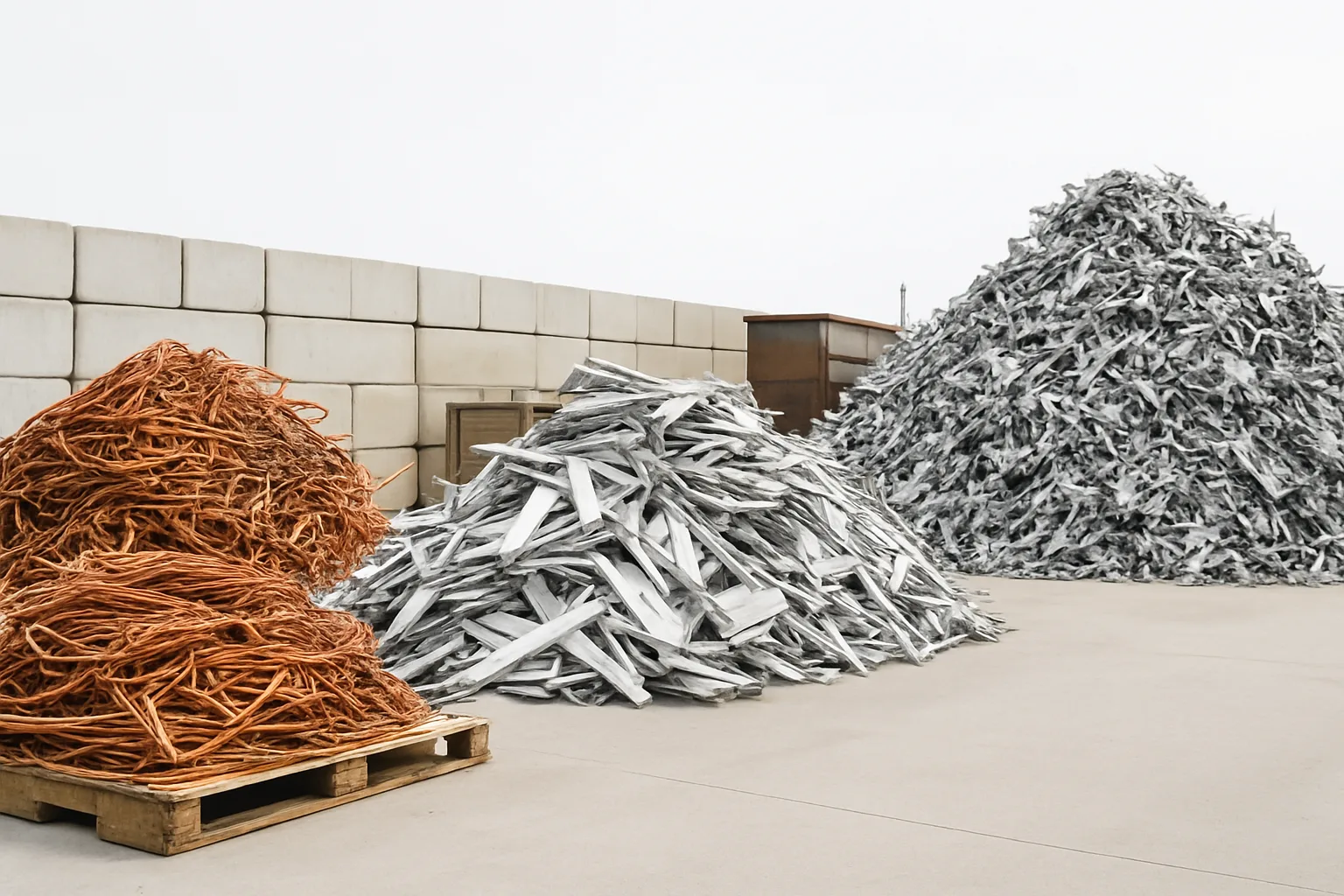
Why Construction and Demolition Sites Are Goldmines for Scrap Metal
Most people walk past a demolition site and see rubble. Experienced scrap collectors see something different — thousands of dollars in recoverable metal sitting in plain sight. Construction and demolition (C&D) work is one of the most consistent sources of scrap metal in North America, and if you know what to look for, you can turn that debris into real money. The copper scrap price today alone makes electrical systems worth stripping before a building gets torn down.
In a city like Minneapolis, where urban redevelopment and infrastructure upgrades have been moving fast through 2026, C&D sites are generating massive volumes of recoverable ferrous and non-ferrous metal. The question isn't whether the metal is there — it's whether you're set up to claim it before someone else does.
The 7 Most Valuable Scrap Metals Found on C&D Sites
Not all demo scrap is created equal. Here's a breakdown of what you're most likely to find on a typical construction or demolition site — and why each material matters when you're tracking scrap metal prices today.
- Copper wire and pipe — The highest-value non-ferrous metal on most job sites. Found in electrical systems, plumbing, HVAC equipment, and communications infrastructure. Even a mid-size commercial demolition can yield hundreds of pounds of bare bright copper.
- Aluminum — Window frames, curtain wall systems, conduit, and roofing trim are all aluminum-heavy. Lightweight and easy to sort, aluminum scrap moves fast at the yard.
- Steel structural members — I-beams, rebar, steel studs, and decking are the bulk of most demo hauls. Ferrous prices are lower per pound, but the sheer weight of structural steel adds up quickly. If you're researching how to sell scrap iron, structural steel is where you'll find your highest volumes.
- Cast iron — Older buildings are full of it. Radiators, plumbing stacks, and industrial equipment bases can run hundreds of pounds each. Cast iron commands a solid premium over shredded steel.
- Stainless steel — Commercial kitchens, food processing facilities, and industrial plants are particularly rich sources. Stainless brings a significant premium over standard carbon steel.
- Brass fittings and valves — Plumbing connections, gate valves, and compression fittings throughout older commercial and residential structures. Easy to miss, but brass prices are consistently strong.
- Lead — Found in older pipe solder, roof flashing, and counterweights. Handle with care and follow proper disposal protocols — but the scrap value is real.
Each of these materials has a different market rate. Prices shift based on commodity markets, regional demand, and the condition of the material you bring in. To check today's scrap metal prices before you load a truck, it's worth doing — it directly affects how you sort and prioritize your haul.
How Different Types of C&D Projects Compare for Scrap Volume
Not every job site pays out the same. The type of construction or demolition project determines what metals you'll find — and how much of them. Here's how common project types stack up for scrap yield.
Residential Teardowns
Single-family and small multi-unit residential demos are the most accessible entry point for independent collectors. Expect copper plumbing and wiring, steel studs or old iron pipe, aluminum window frames, and possibly a gas furnace or water heater worth pulling. Volume is modest, but overhead is low and turnaround is quick.
Commercial Building Demolition
This is where volume jumps significantly. Office buildings, retail spaces, and warehouses contain far more copper — in electrical panels, HVAC systems, and data infrastructure — plus heavier structural steel and more aluminum from curtain wall systems. A single mid-rise demolition in Minneapolis can generate tens of thousands of pounds of recoverable ferrous material alone.
Industrial Facility Decommissioning
The jackpot tier. Manufacturing plants, processing facilities, and industrial complexes contain dense concentrations of high-value metal. Large-diameter copper pipe, stainless steel equipment, heavy cast iron machinery bases, and specialized alloys all show up here. These projects often require formal relationships with the demo contractor or property owner — but the payoff reflects that effort.
Infrastructure and Road Construction
Bridge work, utility upgrades, and road construction generate rebar, structural steel, and sometimes underground copper or aluminum cable. Minnesota's ongoing infrastructure work has been creating consistent opportunities for scrap recovery throughout 2026, particularly on municipal utility replacement projects.
How to Position Yourself to Get C&D Scrap Before It's Gone
The single biggest mistake independent collectors make with C&D scrap is showing up too late. By the time the job site is fully open, the highest-value materials — copper wire, brass fittings, aluminum trim — are already sorted and claimed. Here's how to stay ahead of that.
- Build relationships with demolition contractors. General contractors and demo crews often prefer a known, reliable buyer over the chaos of walk-in collectors. Introduce yourself, leave a card, and make it easy for them to call you first.
- Monitor building permits. Most municipalities publish permit data online. Demolition permits filed in Minneapolis show up in public records — often weeks before the site is active. That lead time matters.
- Know your pricing before you negotiate. A contractor won't respect a buyer who can't quote copper or steel prices on the spot. Track scrap metal prices today daily so you can speak credibly about market rates.
- Have logistics ready. Can you move a full container of structural steel? Do you have a flatbed for equipment? Contractors want buyers who can clear material quickly and completely.
- Document everything. Bills of lading, chain of custody paperwork, and proper weight tickets protect both sides of the transaction and are increasingly required by larger yards and commercial buyers.
For larger loads with genuine commercial value, platforms like North America's B2B scrap metal auction platform SMASH give you access to vetted buyers who compete for your material — rather than one buyer with no incentive to move off their opening number. Competition helps reveal the actual market. That's especially true for high-value C&D loads where a few cents per pound on copper translates to real money.
Sorting and Preparing C&D Scrap to Maximize Your Payout
Showing up at a yard with a mixed, unsorted load is the fastest way to get paid the lowest possible rate. Yards will price a mixed load to the lowest-value metal in it. Clean, sorted material gets you the best return — and it's not complicated to do right.
The basics of sorting C&D scrap effectively:
- Separate ferrous (steel, iron) from non-ferrous (copper, aluminum, brass) immediately — a magnet does the job in seconds.
- Strip insulation from copper wire when your time and the volume justify it. Bare bright copper commands a significantly higher rate than insulated wire.
- Keep stainless steel segregated from carbon steel — mixing them costs you money on both materials.
- Remove non-metal attachments (rubber gaskets, plastic housings, wood backing) before you weigh in. Yards deduct for contamination.
- Photograph large or unusual loads before you haul them. Documentation gives commercial buyers more confidence when bidding.
If you're regularly moving volume out of Minneapolis-area job sites, it pays to understand how yards in Minnesota grade and price material. Grades vary between facilities. What one yard calls #1 copper, another might downgrade based on their tolerance for insulation or oxidation. Knowing the difference lets you route loads to the right buyer.
For high-volume sellers who want competitive bids on sorted C&D loads, SMASH's auction model puts multiple vetted buyers against each other on the same material. You list the load with photos, weights, and specs. Buyers compete. You see real market pricing instead of one yard's opening offer. That transparency is the difference between guessing and knowing. You can read the latest scrap metal market updates to track how commodity swings affect what buyers will pay on any given week.
What Drives the Copper Scrap Price Today — and Why C&D Timing Matters
The copper scrap price today doesn't move in a vacuum. It tracks LME (London Metal Exchange) copper futures, U.S. manufacturing demand, global supply chain conditions, and the strength of the construction sector itself. In 2026, electrification demand — from EV charging infrastructure to grid upgrades — has kept copper demand elevated compared to the previous cycle.
That matters for C&D sellers for one specific reason: timing. When copper prices spike, the spread between what a single yard will offer and what a competitive auction produces tends to widen. Buyers get more aggressive when they know their customers want copper badly. The more competition you create on your load, the more of that spread you capture.
If you're pulling copper from a commercial demolition in Minneapolis and the copper scrap price is running strong, that's exactly the wrong time to call one buyer and take their first number. Find current scrap metal prices near you to understand the baseline — then build a selling process that creates competition around it.
The old way of selling scrap — one phone call, one number, take it or leave it — costs you money every time the market moves in your favor. That's the problem SMASH was built to fix.
If you're selling regularly out of Minneapolis scrap metal services or working C&D sites across Minnesota, the data you use to price your loads directly determines your margin. Don't guess when the numbers are available. When you're ready to see what your next load is actually worth, check today's scrap metal prices and get current rates at scrap-metal-prices.com — the market moves fast, and so should you.
Frequently Asked Questions
Q: What is the copper scrap price today for material from a demolition site?
Copper scrap prices fluctuate daily based on commodity markets and local yard conditions. The grade of your copper — bare bright, #1, #2, insulated wire — significantly affects the rate you'll receive. Always check current rates before hauling a load, and note that insulated wire is priced at a discount to stripped copper. Prices vary by region and by facility.
Q: Do I need permission to collect scrap metal from a construction or demolition site in Minneapolis?
Yes — always. Material on a job site belongs to the property owner or general contractor until formally released. Removing metal without authorization is theft, regardless of whether it looks abandoned. Approach the site supervisor or contractor directly and establish a formal agreement before removing anything.
Q: How do I sell scrap iron and steel from a demolition project?
Structural steel and iron from C&D projects typically sell by the gross ton at your local scrap yard. Sort your ferrous material — separate rebar from structural steel from cast iron — since each grades differently. For large loads, platforms like SMASH connect you with multiple vetted buyers who compete on price rather than offering a single take-it-or-leave-it number.
Q: How do scrap metal prices today compare for copper versus aluminum on C&D loads?
Copper consistently commands a higher price per pound than aluminum, often by a significant margin. However, aluminum is lighter and easier to handle, and C&D sites often produce large volumes of it from window systems and structural components. Both materials are worth sorting carefully — mixing them with ferrous scrap will reduce your payout on the entire load.
Q: What's the best way to find current scrap metal prices for Minneapolis-area yards?
Scrap metal prices vary between yards, and Minnesota facilities each set their own buy rates based on their current inventory needs and market conditions. Using a price-tracking resource like scrap-metal-prices.com gives you a baseline to compare against what local yards are offering. For high-volume C&D loads, an auction platform like SMASH lets buyers compete — so you see market pricing instead of a single yard's number.
Disclaimer: Scrap metal prices fluctuate based on commodity markets, regional demand, and material grade. All prices referenced in this article are general in nature. Always verify current rates with your local yard or a live pricing source before selling.
Stay current on the market — follow SMASH on LinkedIn for scrap metal market insights, industry updates, and pricing trends that affect what your loads are worth.
```