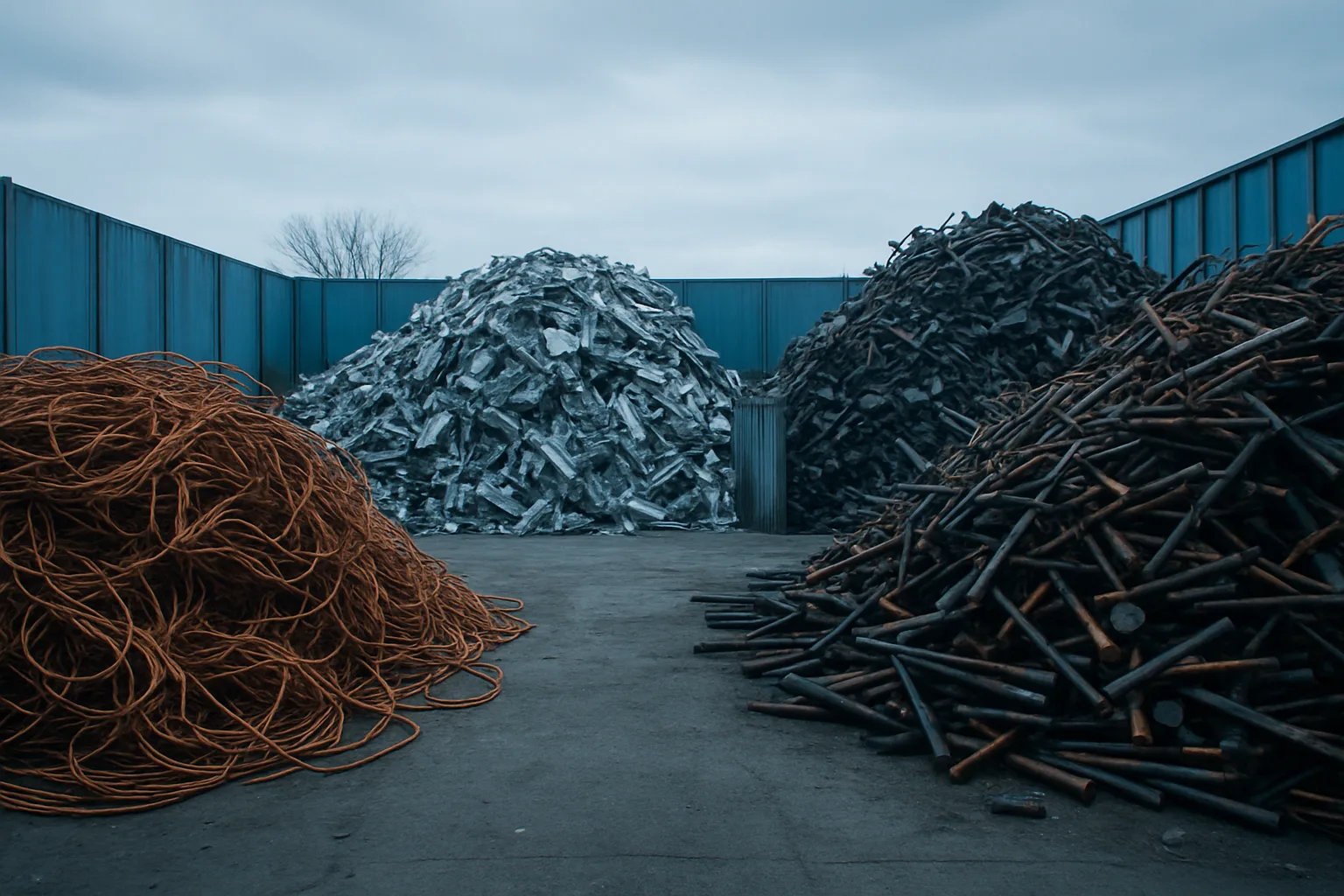
Why Copper Scrap Price Today Should Be Your Starting Point — Not an Afterthought
Most scrap collectors leave money on the table. Not because they're lazy — because they're hauling the wrong material. You can fill a truck with steel and walk away with gas money. Or you can learn which metals pay, prioritize them, and run a tighter, more profitable operation. The difference comes down to knowing your metals.
This isn't a generic "recycle more" post. This is a breakdown of the most profitable scrap metals you can collect right now in 2026, with real context for sellers in Philadelphia and across Pennsylvania. We'll cover what pays, why it pays, and how platforms like SMASH help you find the best price for your scrap instead of guessing at the yard gate.
Copper: The King of Scrap Metal Recycling Philadelphia Collectors Know Well
Ask any experienced scrapper what they target first and the answer is almost always copper. The copper scrap price today sits at the top of the non-ferrous pile for a reason. Copper is dense, always in demand, and used in everything from residential wiring to industrial motors. It doesn't rust. It doesn't lose value sitting in your yard. And buyers compete hard for it.
Copper comes in several grades, and the grade you bring determines your payout:
- #1 Bare Bright Copper: The cleanest grade. Uncoated, unalloyed wire. Commands the highest price per pound.
- #1 Copper: Clean pipe and tubing with no fittings or solder. Still pays well.
- #2 Copper: Slightly oxidized or mixed with other metals. Solid mid-tier rate.
- Insulated Copper Wire: Priced based on estimated copper recovery percentage. Strip it if you can — your rate climbs.
- Copper Breakage / Mixed: Lowest copper grade. Worth collecting but don't confuse it for #1.
For scrap metal recycling Philadelphia operators, copper shows up constantly — in demolition debris, old HVAC systems, pulled plumbing, and electrical teardowns. The city's age works in your favor. Older buildings mean more copper pipe and wiring than you'd find in newer construction. Know your grades, sort before you haul, and you'll see the difference at the scale.
Always check today's scrap metal prices before you load the truck. Copper can swing meaningfully based on global demand, tariffs, and futures markets. What paid yesterday might look different today.
Aluminum: High Volume, Consistent Scrap Metal Prices Today
Copper may be king, but aluminum is the workhorse. It's everywhere, it's light enough to collect in volume, and scrap metal prices today for aluminum remain consistently strong. The automotive sector, construction industry, and consumer goods markets all consume aluminum at a pace that keeps demand — and pricing — steady.
Here's what to target:
- Aluminum extrusions: Window frames, door frames, storefront systems. Clean and easy to sort.
- Cast aluminum: Engine blocks, transmission housings, wheels. Heavier and worth separating from sheet.
- Aluminum sheet and siding: Common in residential teardowns across Pennsylvania.
- Aluminum cans: Lower value per pound but volume adds up fast. Don't ignore them.
- Aluminum breakage: Mixed aluminum scrap. Pays less but still non-ferrous money.
One thing most beginners miss: aluminum grades are not interchangeable at the yard. Mixing cast with extrusion costs you money. Keep them separate. Use a magnet — aluminum won't stick. That's your quick field test. Sort it properly and you walk away with more per pound across every grade.
Brass, Stainless, and the Metals Most Scrappers Overlook
Copper and aluminum get the headlines, but experienced collectors know the secondary non-ferrous metals are where you separate yourself from the competition. These materials pay significantly more than steel and show up in places most people walk past.
Brass is a copper-zinc alloy. It's in plumbing fixtures, valves, fittings, shell casings, and old musical instruments. The copper scrap price today directly influences brass pricing since copper is the base metal. Brass is heavy and pays well — don't leave it behind.
Stainless steel occupies a middle ground. It's not as valuable as copper or brass, but it pays considerably more than regular steel or iron. Restaurant equipment, food-grade tanks, and industrial piping are common sources. The key is confirming it's actually stainless — use a magnet. Stainless is weakly magnetic or not magnetic at all, unlike regular steel.
Lead comes from old wheel weights, plumbing (in older structures), and battery plates. It's dense and pays by the pound. Handle it properly — lead is a hazardous material, and responsible recycling matters here.
Nickel and zinc alloys also appear in industrial and commercial scrap. They require proper identification but command solid rates. If you're running yard operations or buying industrial loads, these add up.
For Philadelphia collectors, commercial demolition and industrial surplus are your best channels for brass and stainless. Build relationships with contractors. Position yourself as someone who can move material fast and document it properly — that reputation gets you first call on the good loads.
Steel and Iron: Lower Rates, But Volume Wins
Nobody's retiring on steel prices. But ferrous metal — your structural steel, cast iron, sheet iron, and mixed steel — makes up the bulk of what most yards process. The economics are simple: you won't get rich per pound, but steel is everywhere and collection costs can be low if you're strategic.
Current steel and iron pricing fluctuates based on mill demand, export markets, and energy costs. Read the latest scrap metal market updates to stay current — steel markets can shift quickly based on tariffs and infrastructure spending cycles.
What makes steel worth collecting:
- Volume: One demolition job can yield thousands of pounds of structural steel.
- Low sorting complexity: Magnets do the work. Fast to identify and separate.
- Consistent demand: Steel mills run on scrap feed. Demand rarely disappears entirely.
- Bundling opportunities: If you aggregate large loads, you have more negotiating leverage — especially through an auction model.
The trap with steel is hauling it without a plan. Small loads of heavy iron eat your fuel margin fast. Either build volume before you haul or source close to the yard. Pennsylvania has active industrial zones where ferrous material moves in quantity — work smarter, not harder on the heavy stuff.
How SMASH Helps You Stop Guessing and Start Competing
Here's the honest truth about the old way of selling scrap in Philadelphia: you call one buyer, they give you a number, you either take it or go home. There's no way to know if that number is fair. You're guessing. They're not.
That dynamic is broken. And it costs sellers real money on every load, every week.
SMASH is a B2B scrap metal auction platform built specifically to fix that problem. You list your material — documented with photos, weights, serial tracking where applicable — and vetted buyers compete for it. Competition reveals the market. More buyers bidding on your load means better price discovery. No subscription fees. No guessing.
The platform handles inventory documentation, auto-invoicing, and buyer vetting so you're not managing paperwork between loads. If you're moving copper, aluminum, or higher-value non-ferrous material in the Pennsylvania market, that documentation matters. Buyers pay more when they know exactly what they're getting.
Platforms like SMASH level the information gap that's always favored buyers over sellers. You get find current scrap metal prices near you before you list, and then let buyers compete rather than taking the first offer thrown at you.
For buyers and sellers in the region, you can also access Philadelphia scrap metal services to understand local market dynamics before you make your next move.
Building a More Profitable Scrap Route in 2026
Profitability in scrap collection isn't just about what you pick up — it's about building a system. The collectors winning in 2026 aren't working harder. They're sorting better, documenting everything, targeting higher-value materials, and selling smarter.
A few principles that separate the profitable operators from the break-even ones:
- Sort at the source, not at the yard. Commingled loads pay lower blended rates. Clean, sorted material pays top grade rates.
- Track your loads by metal type. You can't optimize what you don't measure.
- Price check before you haul. Market conditions shift. A quick price check saves you from delivering at the wrong time.
- Build supplier relationships. Contractors, electricians, HVAC techs, and demo crews are your best consistent sources for high-value non-ferrous.
- Use technology to your advantage. Photo documentation, VIN lookup on vehicles, and auction platforms like SMASH give you leverage that didn't exist a decade ago.
The scrap metal market rewards preparation. Bring documented, sorted, clean material to a competitive buying environment and you get a better outcome every time. That's not hype — it's just how markets work when buyers actually have to compete.
Ready to stop guessing? Check today's scrap metal prices, know what your material is worth before you move it, and use every tool available to get paid fairly. Start at scrap-metal-prices.com — and when you're ready to list your loads where buyers compete for them, find the best price for your scrap on SMASH.
Disclaimer: Scrap metal prices fluctuate daily based on market conditions, commodity markets, and regional demand. Always verify current rates before hauling or selling.
Frequently Asked Questions
Q: What is the copper scrap price today in Philadelphia?
Copper prices change daily based on commodity markets and regional yard rates. The best approach is to check a live pricing resource like scrap-metal-prices.com before you haul. Bare bright copper consistently commands the highest rate, followed by #1 copper, #2 copper, and insulated wire. Sort your grades before showing up — it directly affects your payout.
Q: What scrap metal pays the most per pound?
Non-ferrous metals pay significantly more than ferrous metals. Bare bright copper typically leads the pack, followed by #1 copper, brass, aluminum extrusions, and clean stainless steel. Steel and iron pay the least per pound but make up the bulk of total volume in most markets. Focus on non-ferrous if profitability per load is your priority.
Q: How do I find the best scrap metal prices in Philadelphia?
Start by checking current market rates at scrap-metal-prices.com to understand where prices stand. From there, sort your material cleanly by grade — mixed or contaminated loads always pay less. For larger loads or higher-value non-ferrous material, consider listing through an auction platform like SMASH where multiple vetted buyers compete, which can improve your price discovery compared to a single-buyer transaction.
Q: Is it worth stripping insulated copper wire before selling?
In most cases, yes. Stripped bare bright or #1 copper pays considerably more per pound than insulated wire, which is priced based on estimated copper recovery. If the time cost is worth it given your volume, stripping before you sell is almost always the better financial move. For very large volumes of insulated wire, run the math on labor versus price differential before committing.
Q: How do I know if my scrap is aluminum or steel?
Use a magnet. Steel is strongly magnetic; aluminum is not. This is the fastest field test and it's reliable. Stainless steel is weakly magnetic or non-magnetic, which is why it can be confused with aluminum — but stainless is noticeably heavier. When in doubt, bring samples to your yard before hauling a full load to confirm grades and current pricing.
Stay sharp on market moves — follow SMASH on LinkedIn for scrap metal market insights, pricing trends, and industry updates that keep you ahead of the curve.